We are constantly surrounded by viruses and bacteria that pose a challenge to our health. Building a resilient immune system is thus vital. Traditional Chinese medicine (TCM) offers a time-honored and remarkably relevant approach to strengthening the body’s natural defenses.
3 Layers of Inner Defense
Nikki Zhang Yu, a TCM practitioner and founder of Healthkey Group in New York, explains that “zhengqi,” or vital energy, is what modern medicine refers to as immunity.When vital energy is abundant, it acts as a robust barrier, keeping viruses and pathogens at bay.
Shield 1: Wei Qi (Defensive energy)
Defensive energy represents the protective energy that resides in the skin and mucous membranes. This outer layer serves as the body’s first line of defense, guarding against harmful pathogens and external pathogenic influences, such as wind, cold, dampness, or heat.Shield 2: Ying Qi (Nutritive energy)
Nutritive energy flows through the blood vessels and meridians (energy pathways), playing a protective nourishing role in the body—similar to what modern science calls macrophages—key immune cells that fight infections.Shield 3: Organ Functions
The third layer of defense lies in the health of key organs such as the spleen, lungs, and kidneys.In TCM, the spleen is linked to the digestive system—spleen deficiency results in poor digestion and weakened immunity. A deficiency in lung qi increases susceptibility to respiratory infections. The kidneys store “essence” (jing), which supports bone marrow and blood production, contributing to overall vitality and long-term immune strength. Modern medicine echoes this understanding. For example, kidneys secrete erythropoietin, which stimulates red blood cell production—critical for oxygen transport and immunity.


3 Keys to Strengthening Immunity
Zhang emphasizes three key principles for boosting immunity: proper nutrition, adequate sleep, and regular exercise.1. Dietary Therapy to Boost Immunity
The key to eating well is maintaining balanced nutrition and avoiding picky eating, particularly ensuring sufficient intake of protein, healthy fats, and dietary fiber. Zhang recommends a diet rich in vegetables and fruits to replenish vitamins, as well as essential trace elements like zinc and selenium, which are crucial for maintaining a strong immune system.If the first line of defense—skin and mucous membranes, where Wei Qi functions—is breached, dietary therapy can serve as an emergency measure. Zhang suggests that at the onset of cold symptoms, such as feeling chilly, drinking brown sugar ginger water or scallion white soup can induce sweating and potentially alleviate symptoms.
- 3 scallion whites (the white part at the base of a scallion)
- 500 ml water
- Finely chop scallion whites
- Boil water, add scallion whites, and cook for one minute.
- Turn off the heat, steep for one minute, then remove scallion whites and drink the liquid.
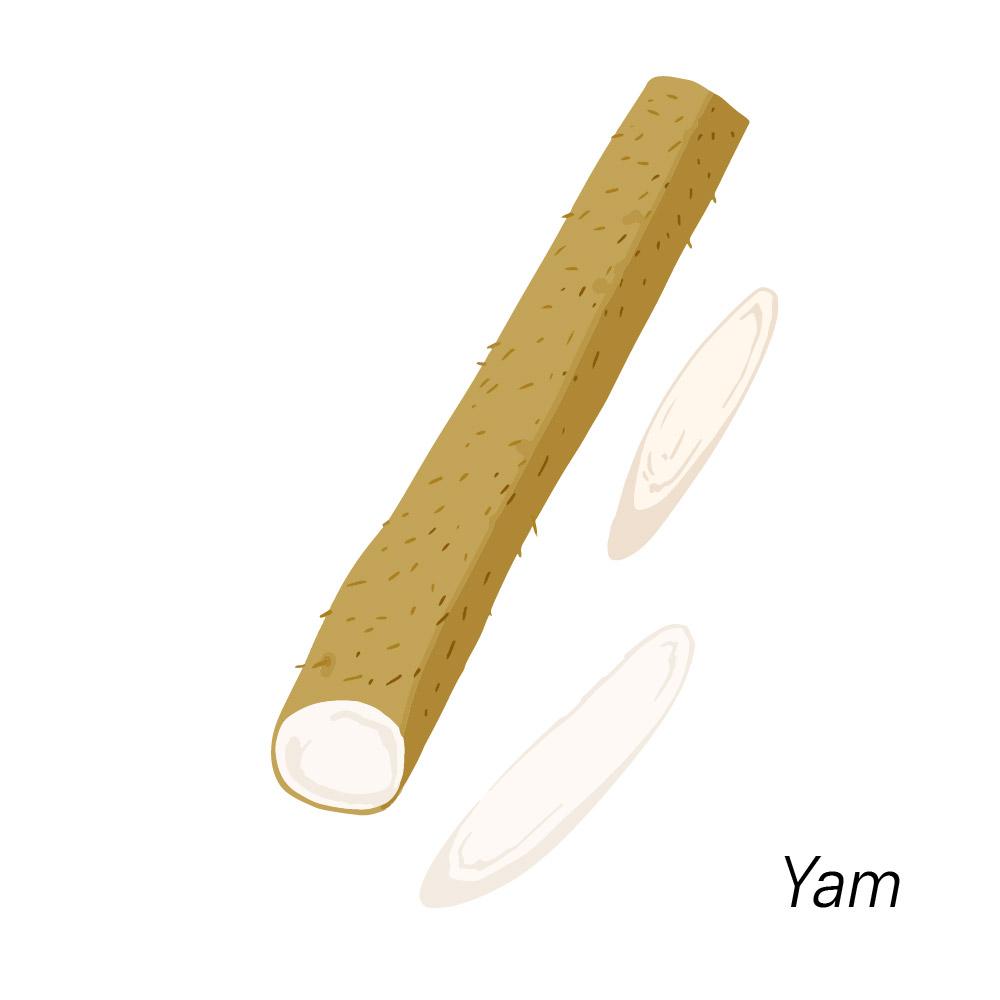
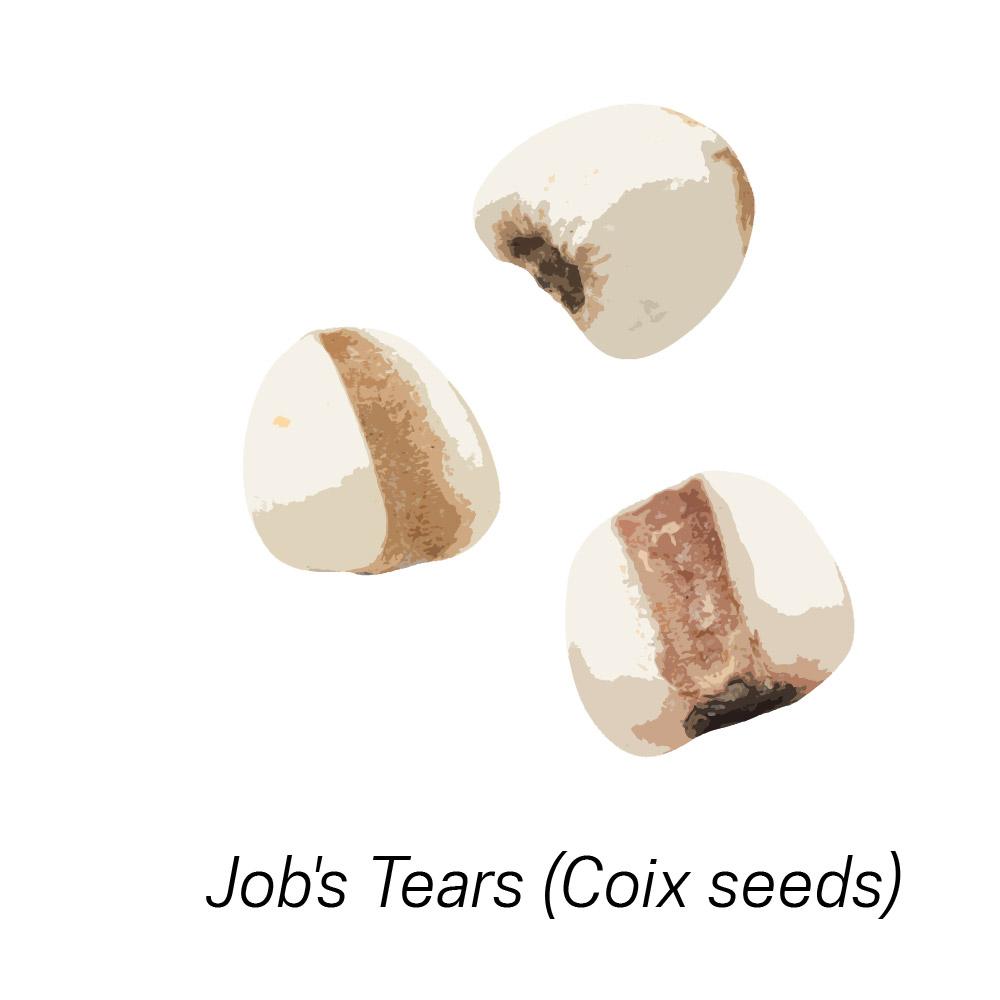
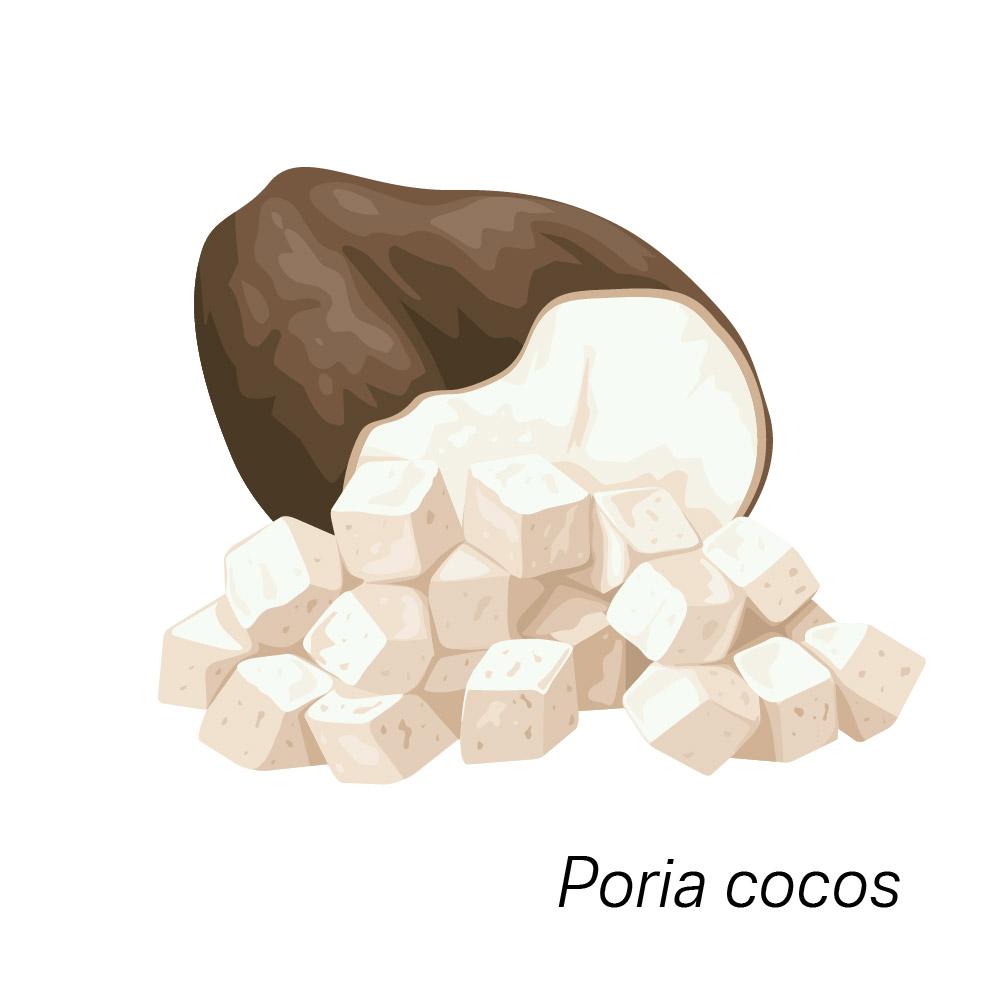
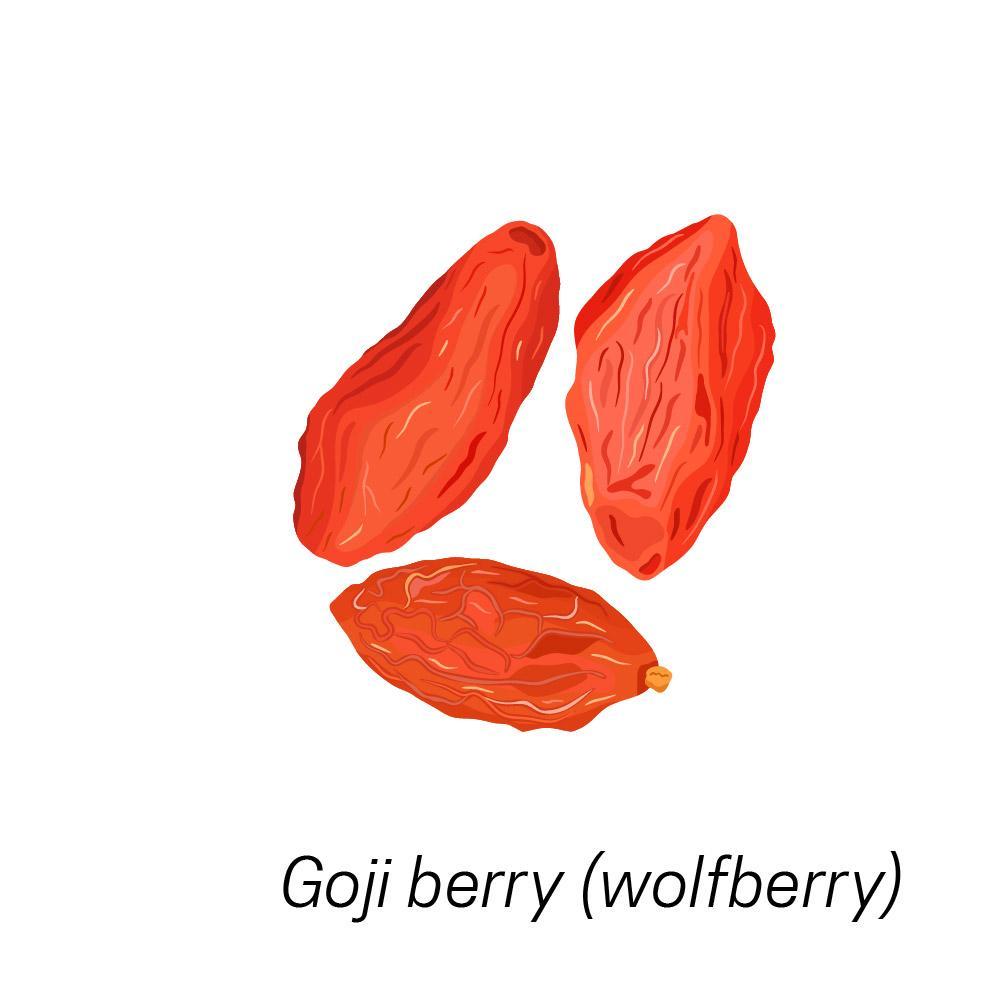
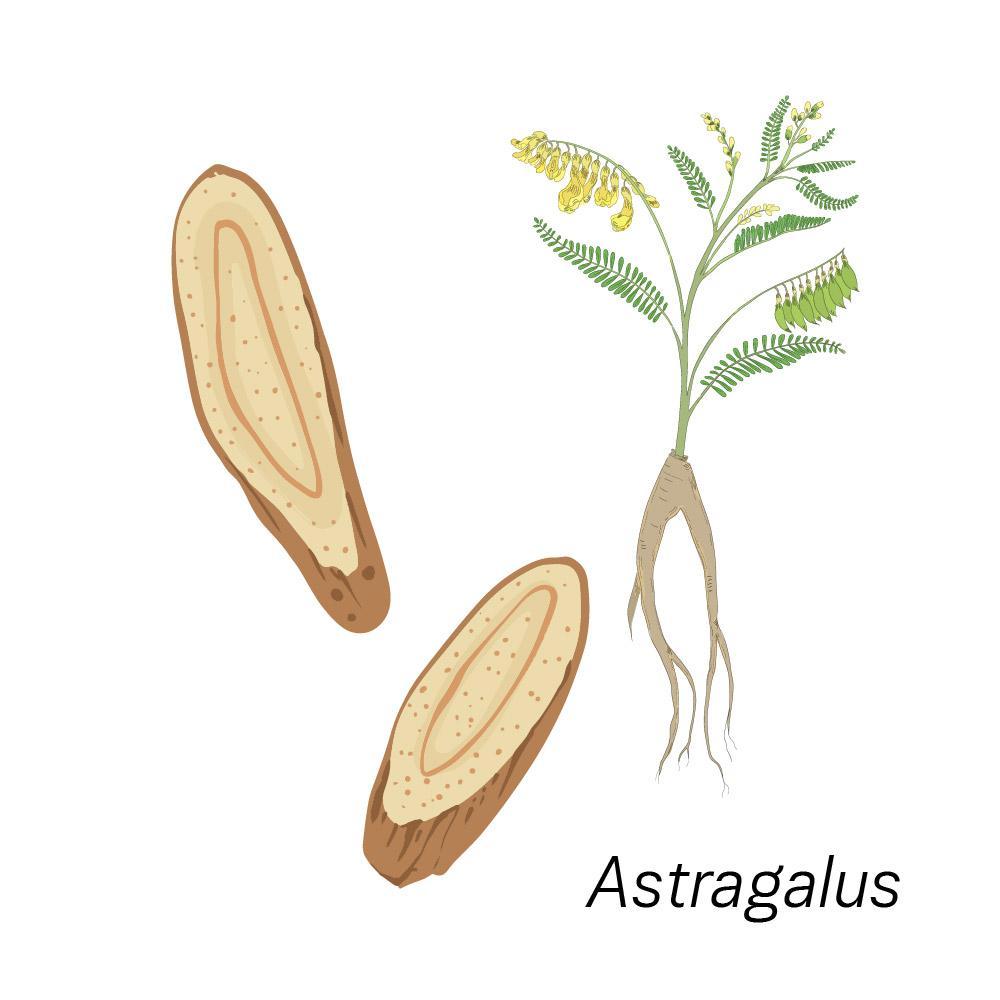
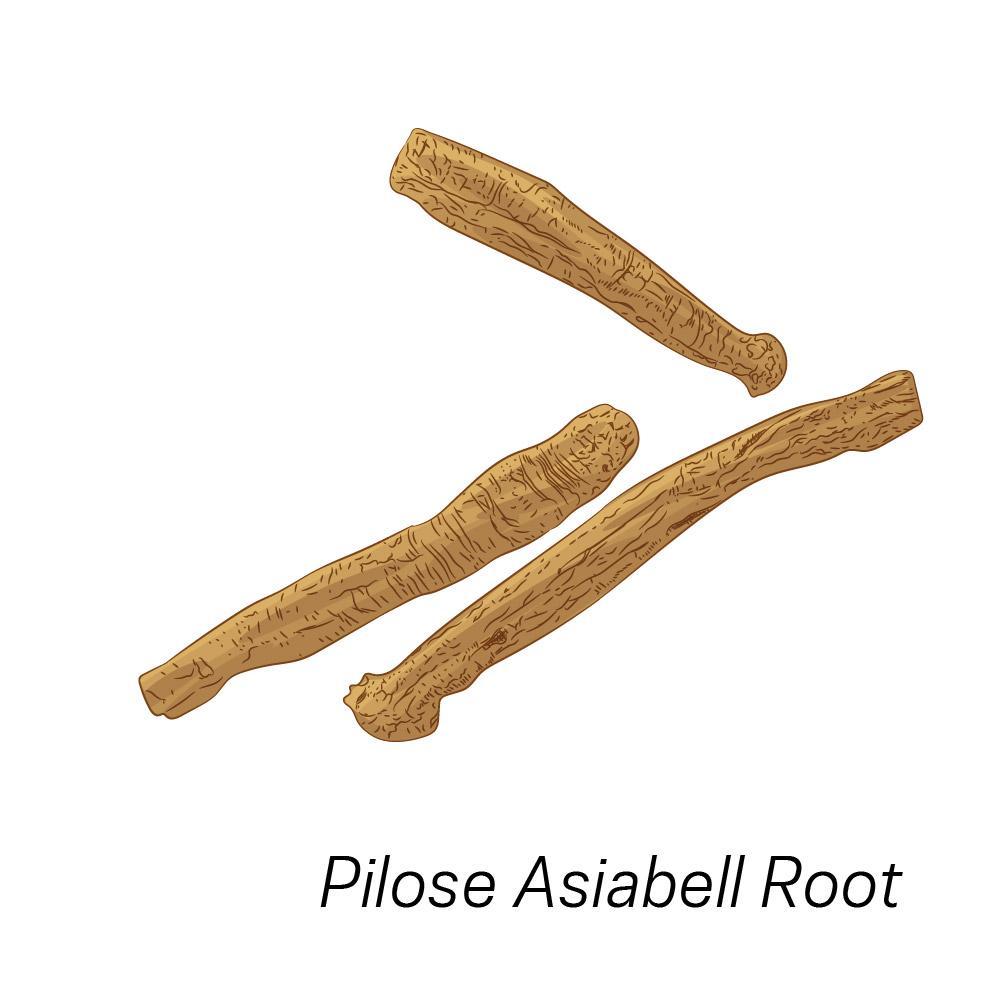
Certain medicinal foods can improve organ functions. Zhang recommends:
2. Acupressure Massage
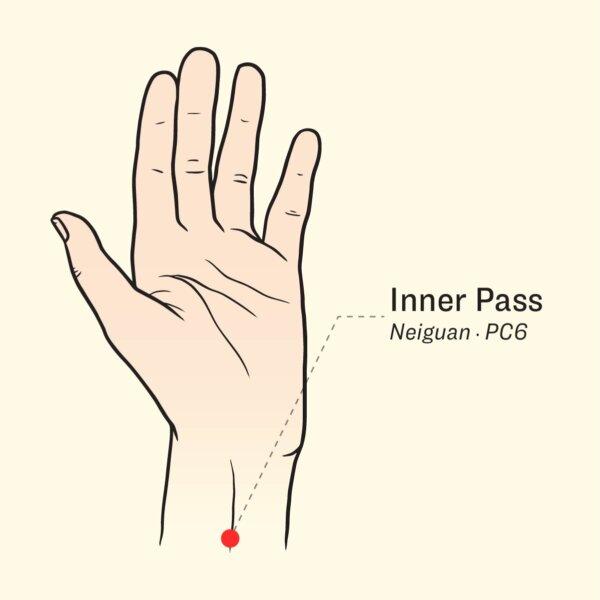
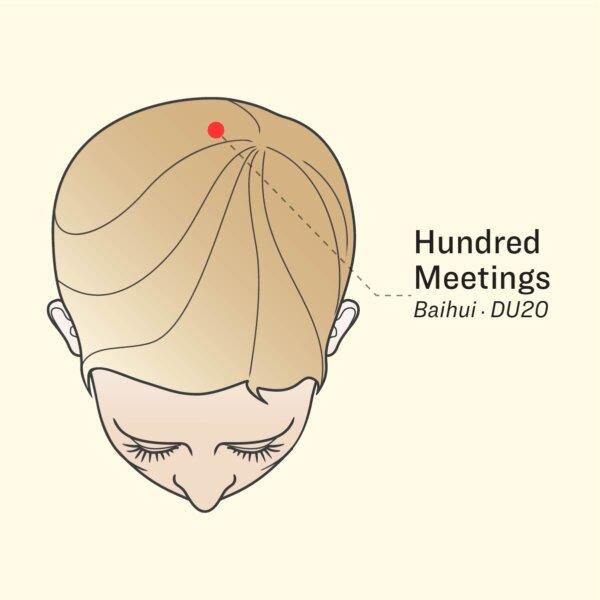
In TCM, immunity encompasses more than white blood cells—it’s about the smooth flow of qi (vital energy), the balance of the nervous and endocrine systems, and the harmony of organ function. Certain acupressure points are believed to stimulate these systems and strengthen the body’s internal defense mechanisms.
Zhang said that acupressure can indirectly enhance immune function by improving sleep quality and calming the nervous system. Sleep is not only restorative—it’s also when the immune system resets. Studies have shown that chronic sleep deprivation impairs the production of immune cells and weakens the body’s ability to fight infection. Therefore, activating points that promote sleep and reduce stress can have a tangible impact on immune resilience.
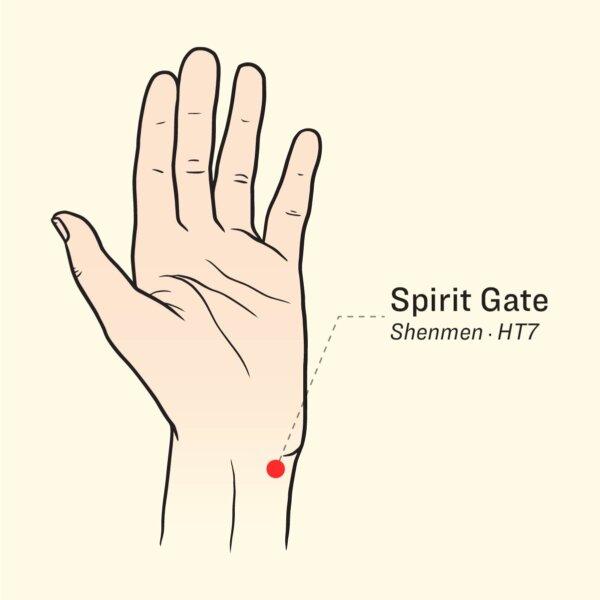
Below are three acupoints that support the connections between deep rest, reduced stress, and stronger immunity.
3. Moderate Exercise to Strengthen Immunity and Fitness
Engaging in moderate aerobic exercise—such as brisk walking, cycling, or swimming—two to three times per week for at least 20 minutes—can significantly enhance immune function and reduce the risk of acute respiratory infections. Moderate physical activity stimulates the circulation of immune cells, especially natural killer cells, neutrophils, and macrophages, which are essential for identifying and eliminating pathogens.
For older adults, incorporating light activities—such as walking or gentle stretching for five to 10 minutes every hour—has added benefits. These movements:
- Promote lymphatic circulation, which supports the removal of waste and pathogens
- Improve blood flow, delivering oxygen and nutrients critical to immune cell function
- Help regulate inflammation, which tends to rise with age and weakens immunity
- Support digestive health, indirectly benefiting gut-associated lymphoid tissue, a key part of immune defense
Supporting Lifestyle Tips for Immunity and Sleep
Zhang also recommends creating a nighttime routine that supports sleep and, by extension, immunity:
Avoid screen time before bed: Blue light suppresses melatonin, a hormone essential for sleep and immune function.Note: While some of the herbs mentioned in TCM practices may be unfamiliar, many are readily available at health food stores or Asian grocery markets. These herbal remedies are designed to support general wellness. For personalized treatment based on your specific condition and constitution, please consult a qualified medical professional.