If you’re chasing a vibrant, youthful look by frequently dyeing your hair, you might want to look closely at the products you’re using. Chemicals lurking in conventional hair dyes can have endocrine-disrupting compounds linked to cancer. Fortunately, there are nontoxic dyes that not only reduce your risk, but even nourish the scalp and hair.
Cancer Risks of Conventional Hair Dyes
A study published in The BMJ analyzing data from 117,200 female nurses found that permanent hair dye users had an elevated risk of breast, ovarian, and basal cell carcinoma—a type of skin cancer—compared to nonusers.In men, studies have shown that those who use hair dyes have much higher levels of certain compounds that could put them at risk of developing prostate cancer compared to those who do not.
Natural Hair Dyeing Through the Ages
Natural hair dyes have a long history, dating back to ancient times.Records show that as early as 1300 B.C.E. in Egypt, Pharaoh Ramses II used henna to enhance his hair color. Meanwhile, the ancient Greeks bleached their hair with a potassium lye solution, then applied a paste made from yellow flower petals and pollen. The Romans used walnut extract to dye their hair black.
Benefits of Natural Hair Dye
“Natural dyes made from botanical ingredients are generally safer, less irritating, and can even nourish the scalp and hair,” said Hsin-Hung Chen, director of Zhongshan Chinese Medicine Clinic and hair care specialist at Hanyitang Clinic in Taiwan. “Unlike synthetic products, they rarely trigger allergies or long-term harm.”Natural dyes don’t just color the hair—they often leave it softer, shinier, and more manageable, Chen said.
2 Traditional Natural Dyes for Black Hair
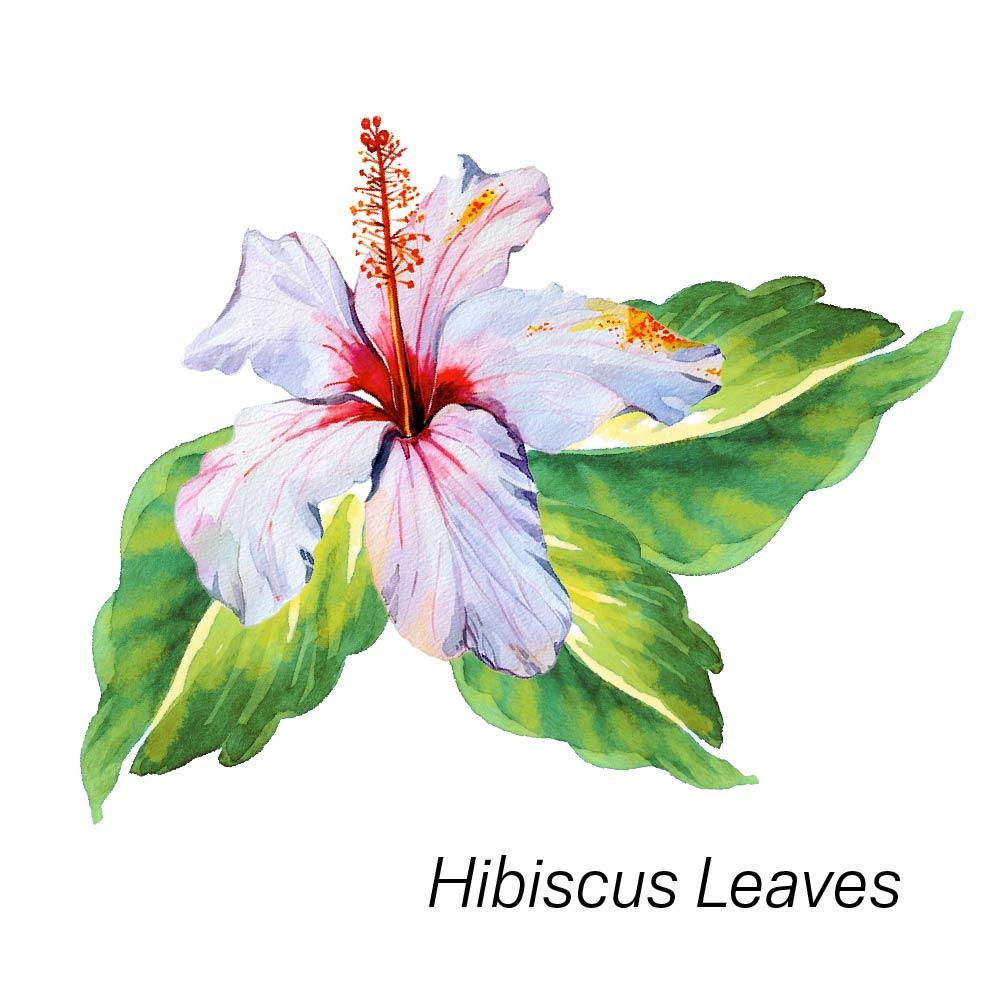
Shu Rong, director of Doctor Rong Chinese Medicine & Acupuncture in the UK, shares some recommendations for natural hair dye.1. Hibiscus Leaf
This traditional method gradually darkens hair color over time.Color Result: Gradually enhances black tones; the green juice initially imparts a subtle tint that darkens with repeated use.
The Epoch Times
Ingredients
- 3.5 ounces fresh hibiscus leaves
- 16.9 fluid ounces warm water
- Wash the hibiscus leaves thoroughly, then crush them to release the green juice.
- Add 16.9 fluid ounces warm water, stir well, and strain mixture to extract the juice.
- Use the juice to wash your hair, massaging the scalp and hair for about 10 minutes. Rinse thoroughly with clean water.
2. Black Soybean Hair Dye
The Epoch Times, Shutterstock
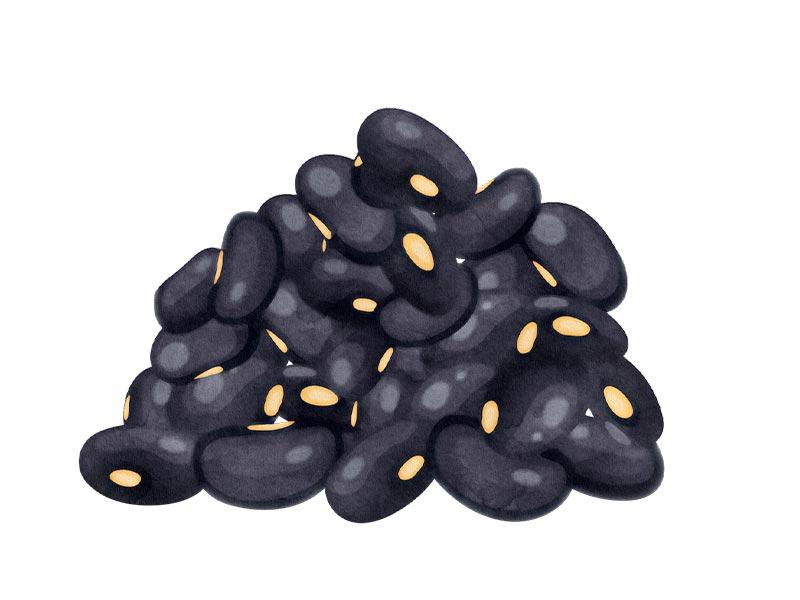
Black soybeans contain natural pigments and antioxidants. When combined with vinegar, they form a mildly acidic dye that binds to hair strands without harsh chemicals.
Color Result: This method offers a rich, long-lasting black hue and provides additional nourishment to the scalp.
Ingredients
- 8.8 ounces black soybeans
- 25.3 fluid ounces rice vinegar
- Wash and air-dry black soybeans, then soak in rice vinegar overnight.
- Bring the mixture to a boil, reduce heat to low, and simmer for 30 minutes to 1 hour, until the beans are fully tender.
- Strain the mixture to extract the juice, then continue simmering until it thickens to a viscous consistency.
- Apply the black soybean dye to your hair, massaging it in for 10 to 15 minutes. You can also use a clean toothbrush or comb to distribute it through your hair.
- Let the dye sit for 30 minutes before rinsing with warm water. Alternatively, apply the dye, cover your hair with a shower cap, and leave it on overnight.
How to Reduce Chemical Damage
A direct causal link between chemical dyes and cancer hasn’t been proven. “Natural dyes are always a better choice when possible,” he said.For those concerned about the potential harm from chemical ingredients in hair dyes, he suggests drinking plenty of water after dyeing your hair to help speed up your metabolism. It’s also beneficial to eat antioxidant-rich foods such as blueberries, carrots, and guavas, which may help reduce inflammation and lower the risk of chemical residue and inflammatory responses in the body.
Tips for Safer Dyeing and Scalp Protection
If you’re not ready to give up conventional hair dye entirely, small changes can go a long way in protecting yourself. Choosing safer products, protecting your scalp, and adopting good aftercare habits may help reduce the risks of chemical exposure.1. Pick an Ideal Hair Dye
Chen emphasizes that dyeing inevitably causes some damage to the scalp and hair. There is no truly “zero-damage” hair dye. Therefore, when selecting hair dye products, it is best to prioritize those with clearly labeled ingredients. Avoid dyes that contain highly allergenic chemicals such as para-phenylenediamine, hydrogen peroxide, and ammonia.Be cautious of dyes that claim to offer effects such as “fast dyeing,” “long-lasting color,” or “easy application,” as these may contain added synthetic compounds. Whenever possible, choose products made primarily from plant-based extracts.
If you experience itching or a burning sensation on your scalp after using a hair dye, you should immediately rinse it off with warm water. If discomfort persists, consult a medical professional as soon as possible.
2. Scalp Protection
To ensure safety, hair dye should be applied with minimal contact to the scalp. Chen recommends applying petroleum jelly (such as Vaseline) or aloe vera gel to the forehead before dyeing. Gently massage it in with your fingertips to create a protective barrier. Wait 5 to 10 minutes before starting the dyeing process.When applying the dye, aim to keep a small distance between the dye and the scalp to reduce irritation or damage. Additionally, avoid dyeing your hair too frequently. It is best to space out dye sessions by several months.
3. Hair Care After Dyeing
Hair is often damaged to varying degrees after being dyed. Dr. Huan-Bo Ko, a dermatologist at DCDC Hair Restoration Clinic in Taiwan, emphasizes the importance of choosing the right shampoo and hair care products.For chemically treated hair, it’s best to use products that help repair damaged strands and restore elasticity. Avoid shampoos or conditioners that are overly rich in oils or softening agents, as these can burden the scalp and may hinder the healthy growth of hair follicles.
Ko also offered advice on hair-washing routines to protect hair and scalp health:
- Avoid applying shampoo directly to the scalp: If shampoo residue remains on the scalp, it may burden the scalp. Instead, start by lathering the shampoo in your hands before evenly applying it to the hair. Rinse thoroughly for at least 60 seconds to ensure no foam is left behind.
- Avoid scrubbing the scalp with your fingernails: Rubbing the scalp with your fingernails may seem more effective, but the scalp is sensitive and can be easily injured by even slight pressure. Instead, use the tips of your fingers to gently massage the scalp in circular motions.
- Protect hair when it’s wet: After shampooing, the cuticle layer (the outermost layer of the hair) is especially fragile and prone to damage. Dye is also more likely to wash out. To reduce breakage and preserve color, blow-dry both the scalp and hair immediately after washing.