Research suggests that carrageenan may contribute to insulin resistance and inflammation in overweight people.

Safer and more traditional alternatives exist for some of them.

More than 73 percent of food is ultra-processed. Some ingredients are ‘generally recognized as safe,’ but research has begun to show that they may not be.

Commonly added to keto-friendly foods, sorbitol is linked to inflammatory bowel disease and digestive upset in some.
Efforts to ban harmful food additives are gaining steam in the states while garnering criticism for bypassing the FDA’s role on food regulation.
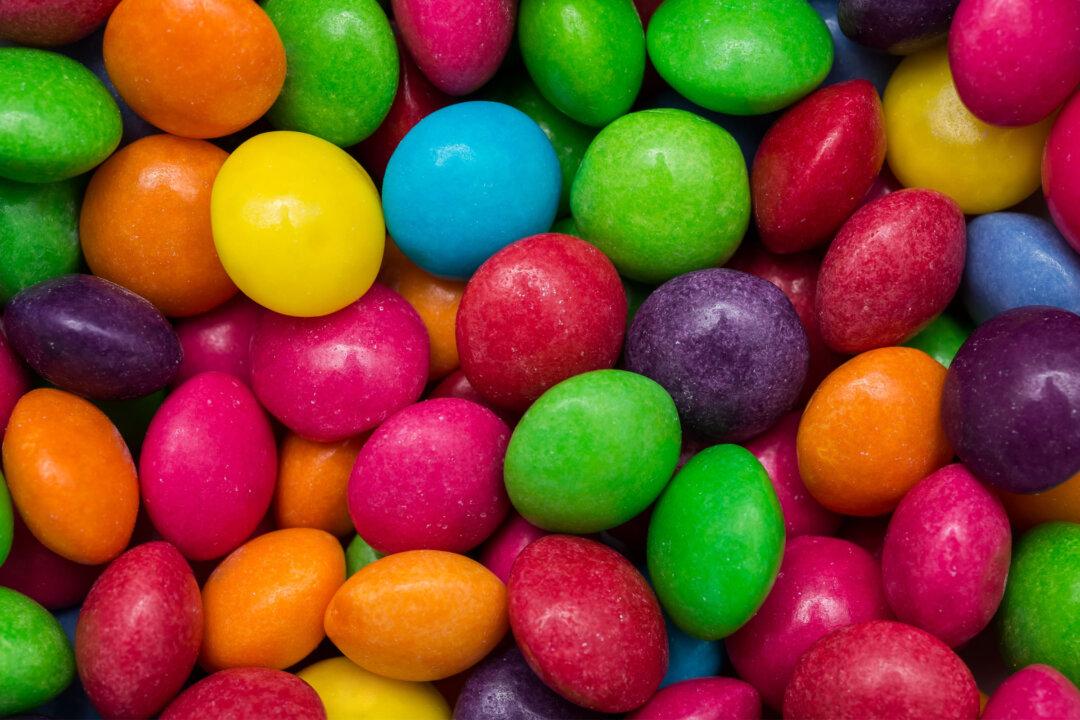
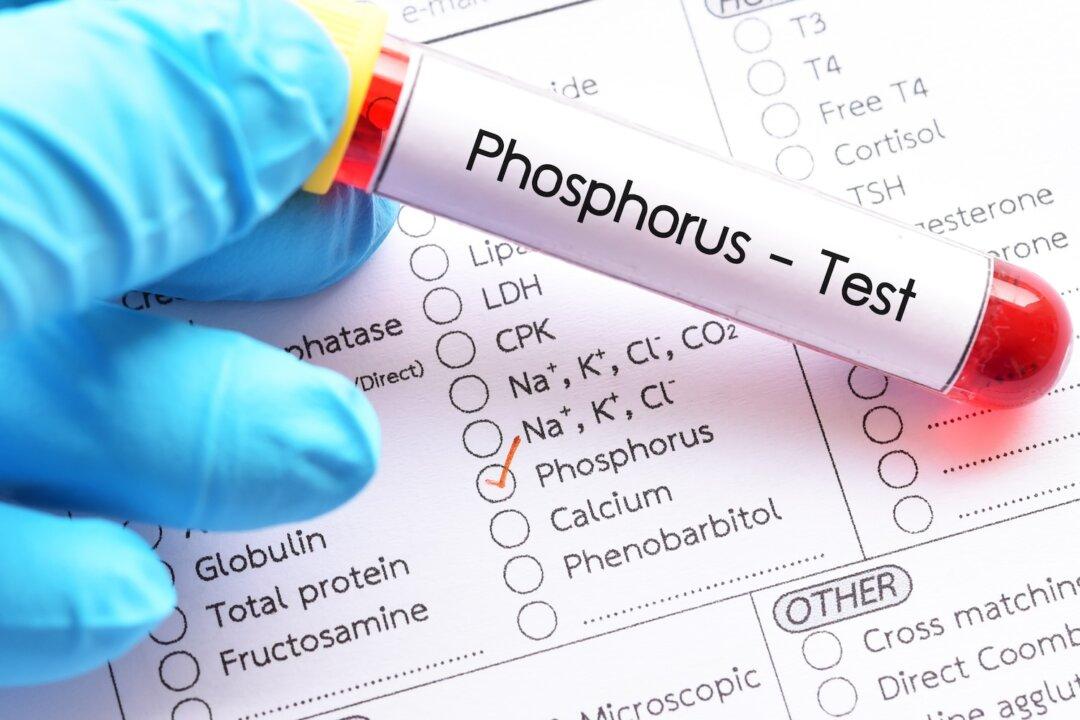
Hidden in many processed foods, phosphorus additives are not as benign as one might think—although our bodies need the mineral, too much can be harmful.
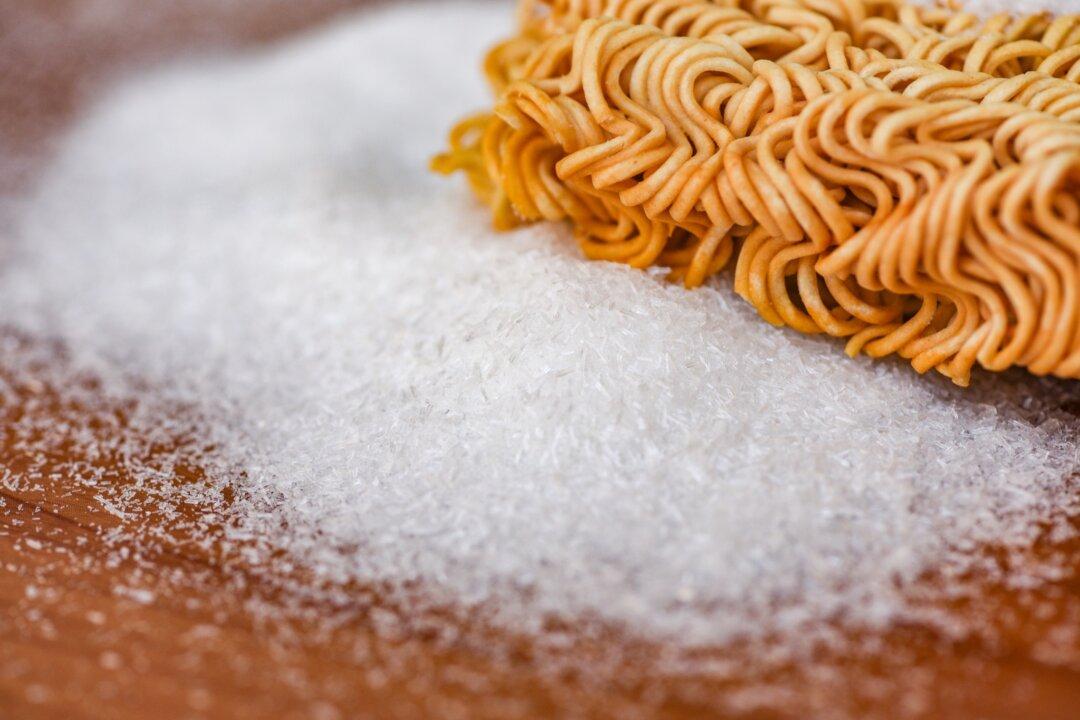
Monosodium glutamate (MSG) is a commonly used food additive known for its flavor-enhancing properties. But is it truly bad for us?
The additive can result in ‘toxic effects’ on the thyroid gland which is crucial in regulating metabolism, blood pressure, and heart rate.
The stark contrast between food quality in the United States and Europe is often immediately apparent to those who travel abroad.

The ban, which will go into effect in 2027, leads the U.S. in prohibiting ingredients allowed by the FDA but banned elsewhere.

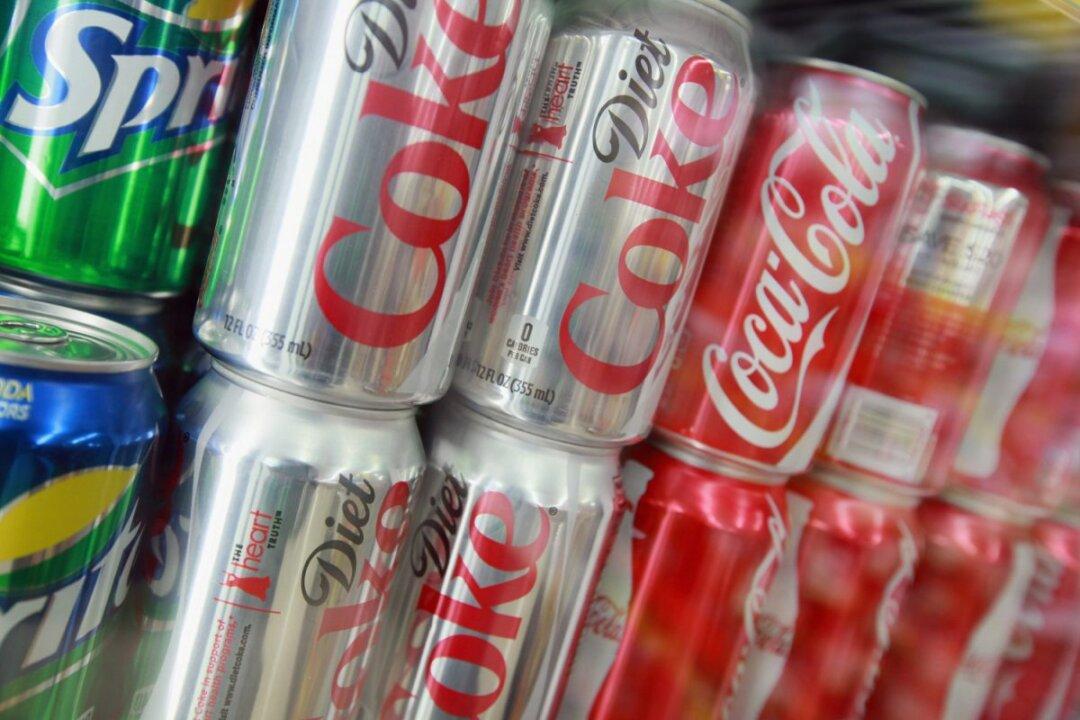
The additives, commonly found in popular cereal, soda, candy, and drinks are present in over 12,000 food products, according to the Environmental Working Group.