---
Judging from the number of commercials on television for drugs designed to relieve various gastrointestinal ills, one can easily conclude that millions of Americans are afflicted with a variety of such problems, ranging from bloating and discomfort to serious conditions such as irritable bowel syndrome and ulcerative colitis.
Could it be, however, that many of these maladies are the result of a single “badditive”, one that’s long been considered so safe by virtue of being “natural” that it’s even allowed in organic food, despite a growing body of scientific evidence that it’s anything but?
The answer is a resounding “yes.” If you’re among those who suffer from chronic stomach issues, it’s quite possible that they might be alleviated simply by removing from your diet any processed foods that contain the ingredient carrageenan.


Carrageenan is used in a wide variety of processed foods and beverages, ranging from coconut water, low-fat dairy products, and dairy substitutes to nutrition bars, deli meats, and precooked chicken. It serves as a thickening agent, giving food a nice texture and fatty “mouth feel.”
However, this tasteless, non-nutritive seaweed derivative has long been shown to cause harmful gastrointestinal inflammation and intestinal lesions.
How Regulators Muted the Alarm Set Off by Carrageenan Research
Concerns about the safety of carrageenan date all the way back to 1969, when researchers linked its use in food to gastrointestinal disease and colon cancer in laboratory animals.The Institute also sent a letter to then-FDA Commissioner Margaret Hamburg requesting reconsideration of a citizen petition filed in 2008 that asked the FDA to ban the use of carrageenan in food, which was turned down by the agency in 2012. The petition had been submitted by Dr. Joanne Tobacman, a physician-scientist at the University of Illinois at Chicago, who had spent almost two decades studying the effects of this additive and published 18 peer reviewed papers on the subject.
“When a body of publicly funded scientific literature points to harm from consuming a common, widely used yet unnecessary food ingredient, the FDA should act in the interest of public health,” said the letter, which was signed by Charlotte Vallaeys, the Institute’s Farm and Food Policy Director, who noted that every claim that supports the safety of carrageenan in foods and beverages “can be refuted, based on strong scientific evidence.”
Her letter also included an appendix of studies that were both favorable and unfavorable to the petition, pointing out that those supporting it were funded by public and private institutions with no financial interest in the outcome, whereas the ones that didn’t were “almost exclusively funded by the industry that profits from the continued use of carrageenan in food.”
As in so many other cases involving entrenched food additives, the FDA declined to act on that request. Undeterred, in April of 2016, The Cornucopia Institute came out with an updated 49-page carrageenan report bearing the subtitle New Studies Reinforce Link to Inflammation, Cancer and Diabetes, which includes detailed summaries of scientific findings from 1969 through 2016, charts and graphs on technical issues, consumer responses related to carrageenan and gastrointestinal symptoms, and even a section devoted to food manufacturers’ responses to scientific data about carrageenan.
In other words, this is more than merely a superficial evaluation. As you read through it, you soon realize that the staffers of the Institute have really done their homework on this issue and put together what you might call a gut-wrenching “rap sheet” that should be setting off regulatory alarm bells. As of this writing, however, their efforts and expertise appear to have made not one iota of difference to the FDA’s policymakers, who, as other instances chronicled in this book demonstrate, are seldom known to declare a food additive they have previously approved to be unsafe and order its removal.
Carrageenan, as the latest report notes, comes from red seaweed and can be processed into either what’s called “food grade” or “degraded” varieties. Degraded carrageenan, recognized as a “possible human carcinogen,” is not permitted in food by virtue of being extremely inflammatory—so much so that it has been extensively used in scientific studies to induce inflammation in laboratory animals in order to test certain drugs.
How Eliminating Carrageenan From Their Diets Has Changed Some People’s Lives

In response to an online survey posted by the Institute over a three-year period, some 1,397 individuals reported either that their gastrointestinal symptoms had completely disappeared or greatly improved after giving up foods containing carrageenan.
A resident from Manitoba, Canada, for example, describes having suffered “tremendous stomach cramps, body aches, and extreme bloating” lasting from twenty-four to forty-eight hours after eating various foods. She then discovered from a food journal that these foods all contained carrageenan. Since removing carrageenan from her diet, she said, the problems stopped; however, she noted that she had to be very careful not to ingest even the smallest amount, as it will cause her “hours of suffering.”
Another respondent from Morgantown, West Virginia, tells of “nonstop throwing up and sweats/chills,” visits to the emergency room, needing fluids and medication, and becoming severely dehydrated. All tests failed to find a cause except one, which involved a barium drink containing carrageenan. When the drink caused profuse vomiting, she realized that the ingredient was the probable cause.
Then there’s the St. Louis resident who describes having gastrointestinal pain that “would literally incapacitate” her after consuming ice cream and coffee shop smoothies, though she was not lactose intolerant. After noticing that all the products involved had carrageenan in common, she started avoiding the additive and is now able to do things she couldn’t do previously, such as going on overnight camping and canoeing trips.
How Consumers Can Ultimately Call the Shots
As the Cornucopia Institute pointed out in its letter to the FDA, some food manufacturers are already replacing carrageenan with other thickeners and stabilizers, or eliminating thickeners altogether and asking their customers to shake the product before consumption. “If carrageenan is prohibited, the food industry will quickly adapt,” it maintained. In some cases, that appears to be exactly what’s taking place—with pressure from enlightened consumers serving as the catalyst for change.However, after “Food Babe” Vani Hari alerted the followers of her popular blog to the dangers of carrageenan, [7] WhiteWave totally reversed gears and announced plans in 2014 to phase it out of their brands, noting, “Our consumers have expressed a desire for products without it and we are listening!” The Associated Press quoted company spokeswoman Sara Loveday as stating that WhiteWave “still thinks carrageenan is safe, but decided to remove it because customer feedback has been so strong,” adding, “When you get to a certain point of how vocal and strongly a consumer feels about it, we felt it was time to make a change.” [8]
Apparently, then, such feedback is what’s really required to get this inflammatory additive and other pernicious ingredients out of our food. That begins with reading the ingredients label on products (even organic ones, where carrageenan is concerned), avoiding those with harmful additives, and letting the manufacturers of those foods know the reason why.
How To Keep Carrageenan Out of Your Best Friend’s Diet

Since carrageenan has remained in so many “people foods,” despite all the studies linking it to damage to the gastrointestinal system, it should come as no surprise that it’s also present in quite a number of canned pet foods—especially those made for cats.
Finding high-quality canned cat foods that don’t contain this red-flag ingredient can sometimes be a bit difficult. But if you want to keep Fluffy happy and purring and perhaps spare yourself and her unnecessary visits to the vet, there are some carrageenan-free products now being offered by pet-supply stores (such as Wild Calling and Nutro FreeStyle brands), as well as others that can be ordered online.
Unless a product is advertised as being “carrageenan free,” however, it’s always best to check the ingredients before purchasing it (just as with “people food”), since this ingredient is often hidden among more beneficial ones.
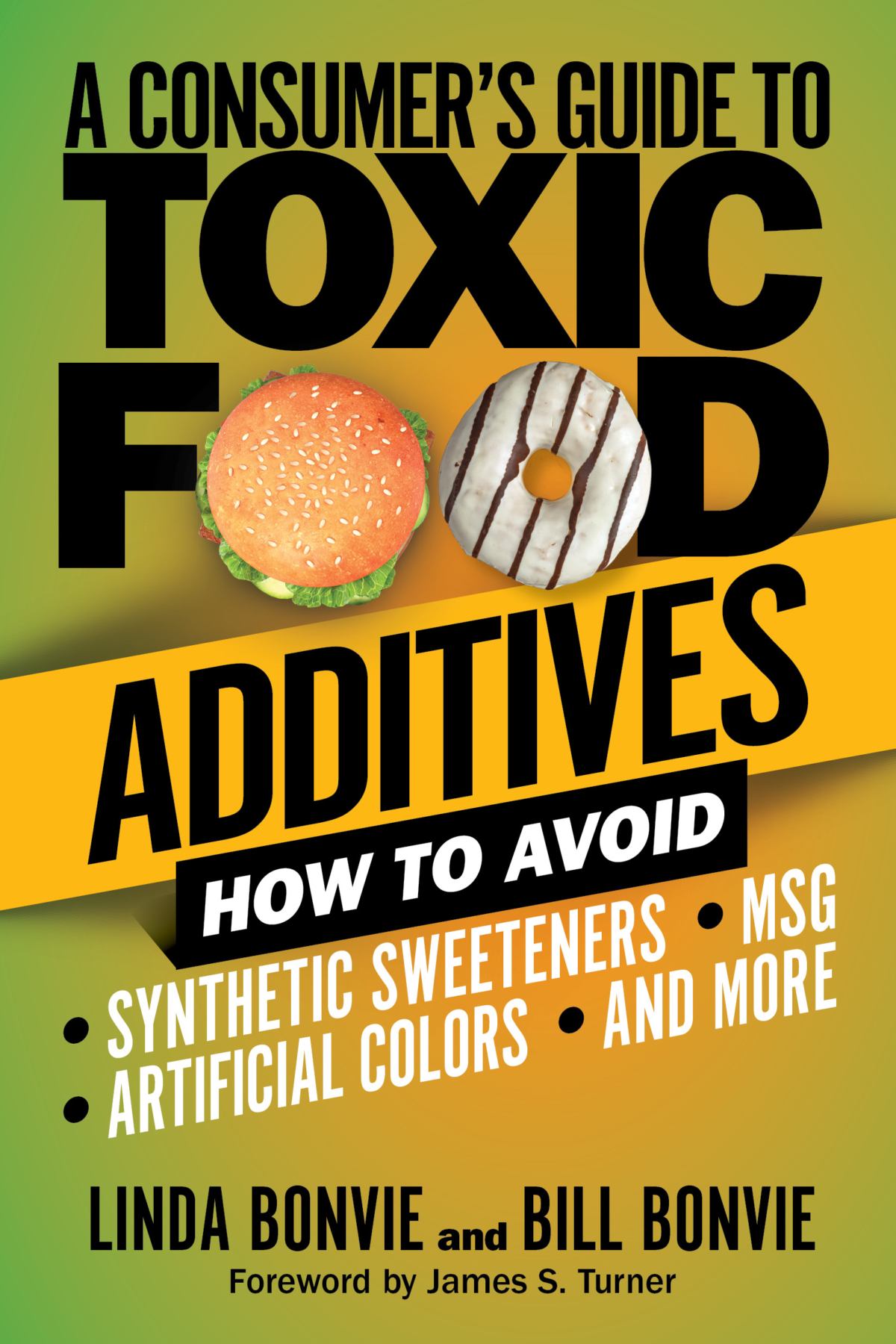
Linda and Bill Bonvie are sibling journalists who have spent more than two decades writing about food safety and environmental issues for magazines and newspapers. They’ve also co-authored several books including “Chemical-Free Kids” and “A Consumer’s Guide to Toxic Food Additives.”