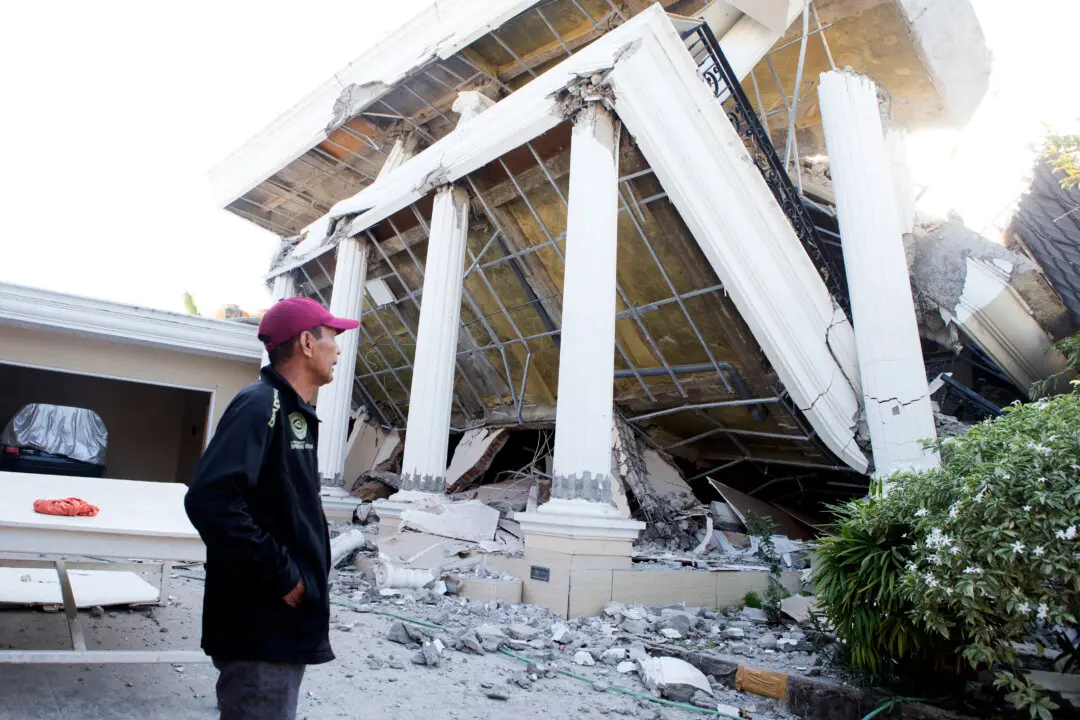
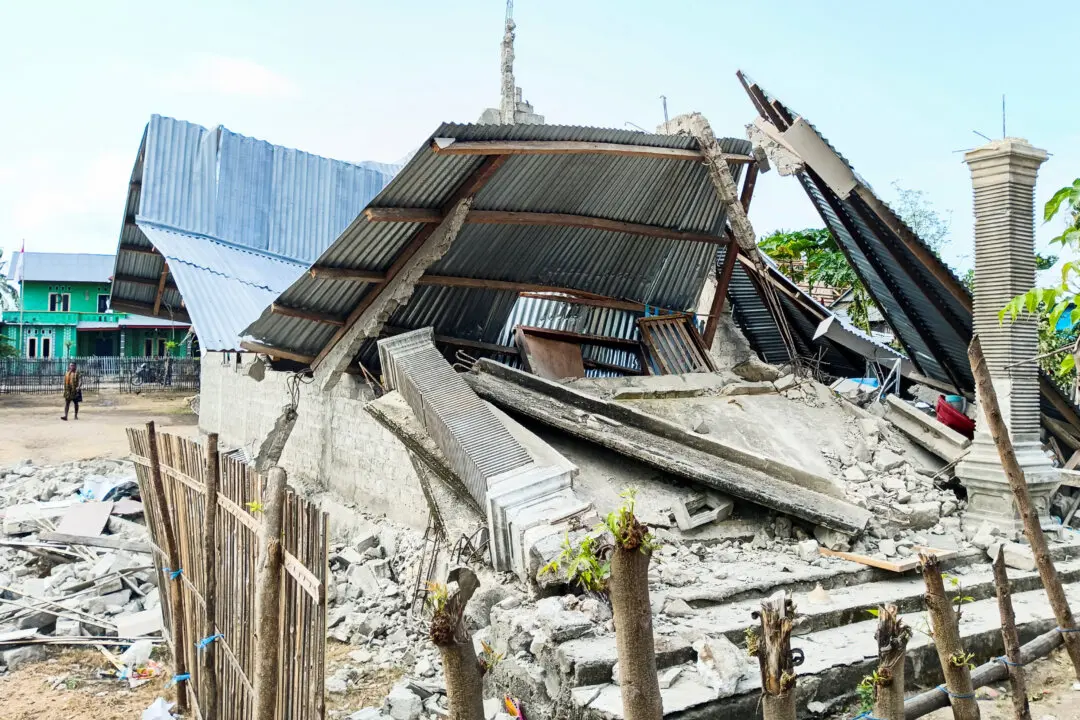
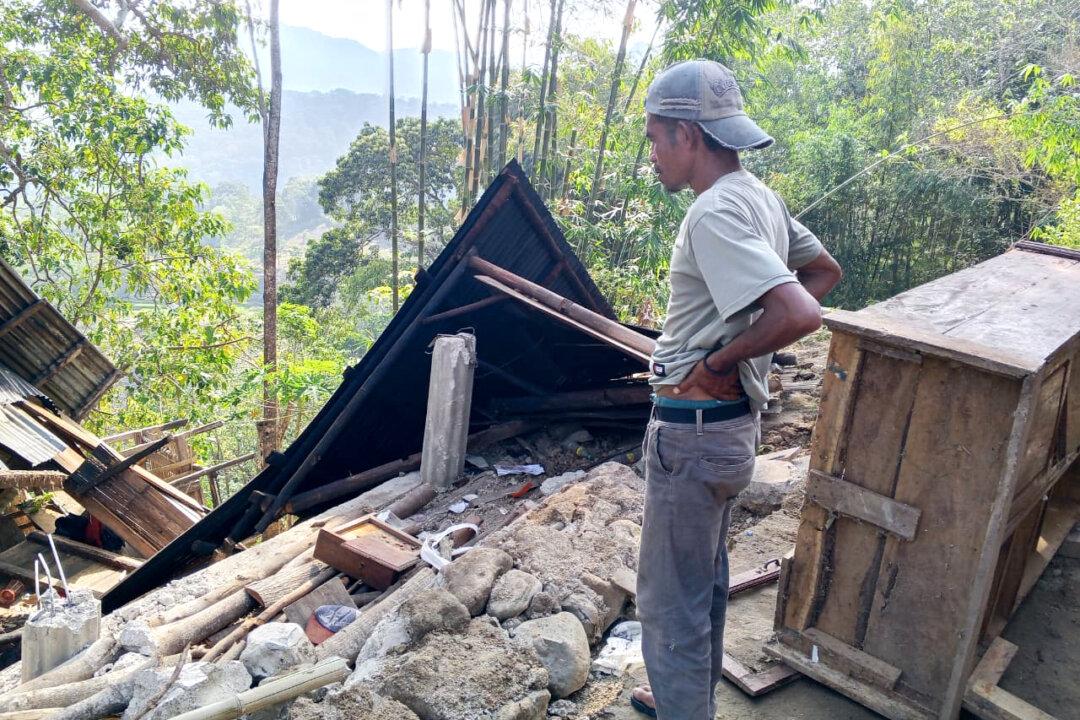
Experts suspect there are also many unreported cases: ‘The true figure is certainly larger,’ said one.

The lawmakers have called Uganda’s action a ‘clear act of coerced discrimination.’

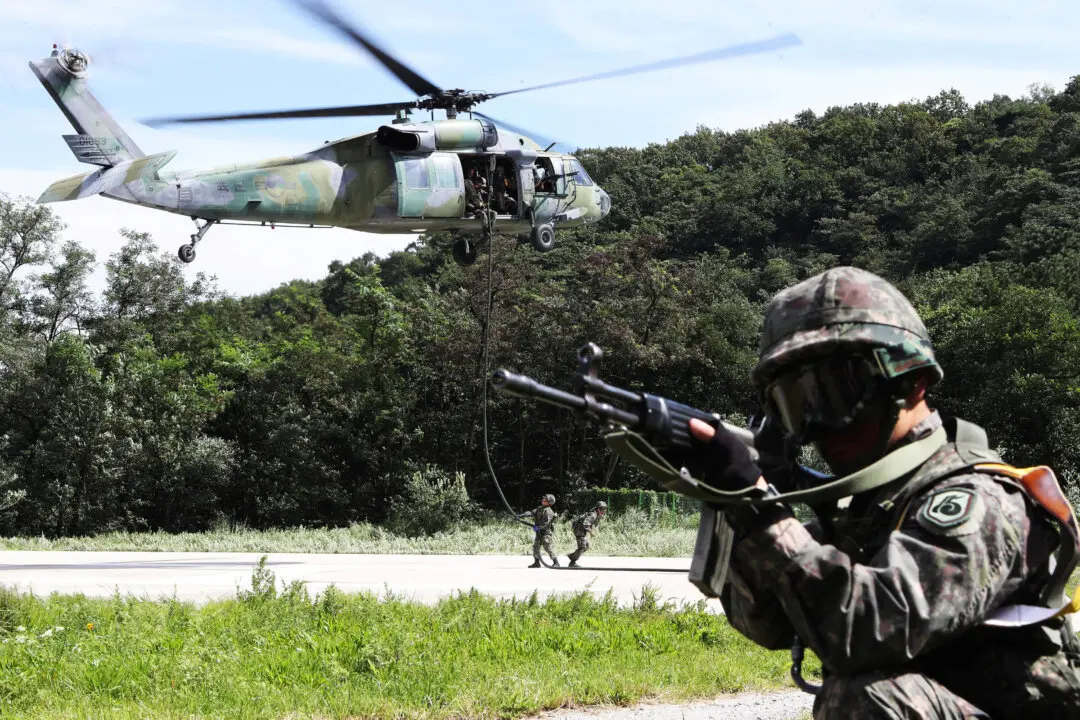
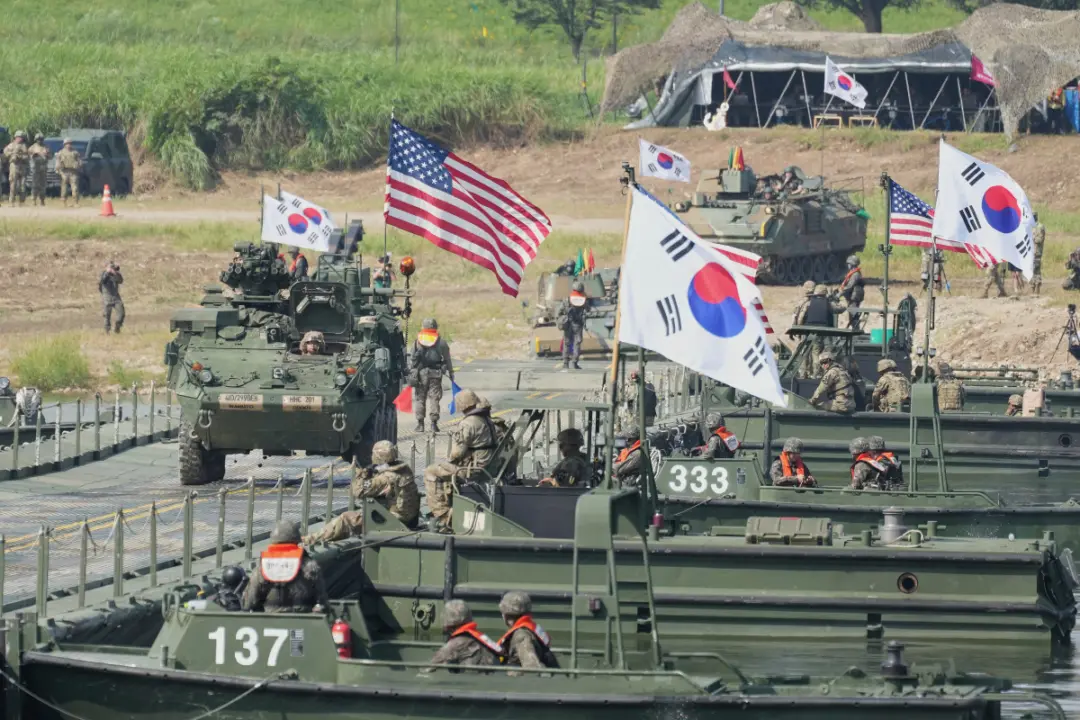
Trump ordered scaling back the joint U.S.–South Korean drills after suggesting it sent the wrong signals to Pyongyang.
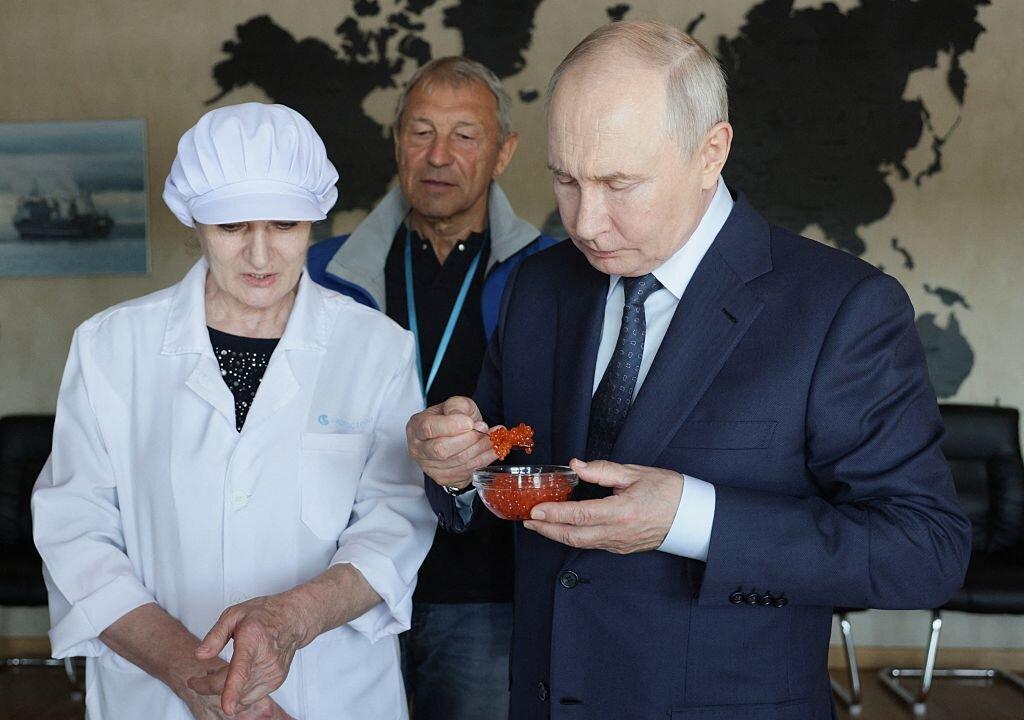
Putin’s visit to the strategically important Kuril Islands is a China–Russia strategy to counter the U.S.–Japan alliance in the region, analysts said.
Two students were killed in a shooting at a high school in the southern Philippines on Tuesday.

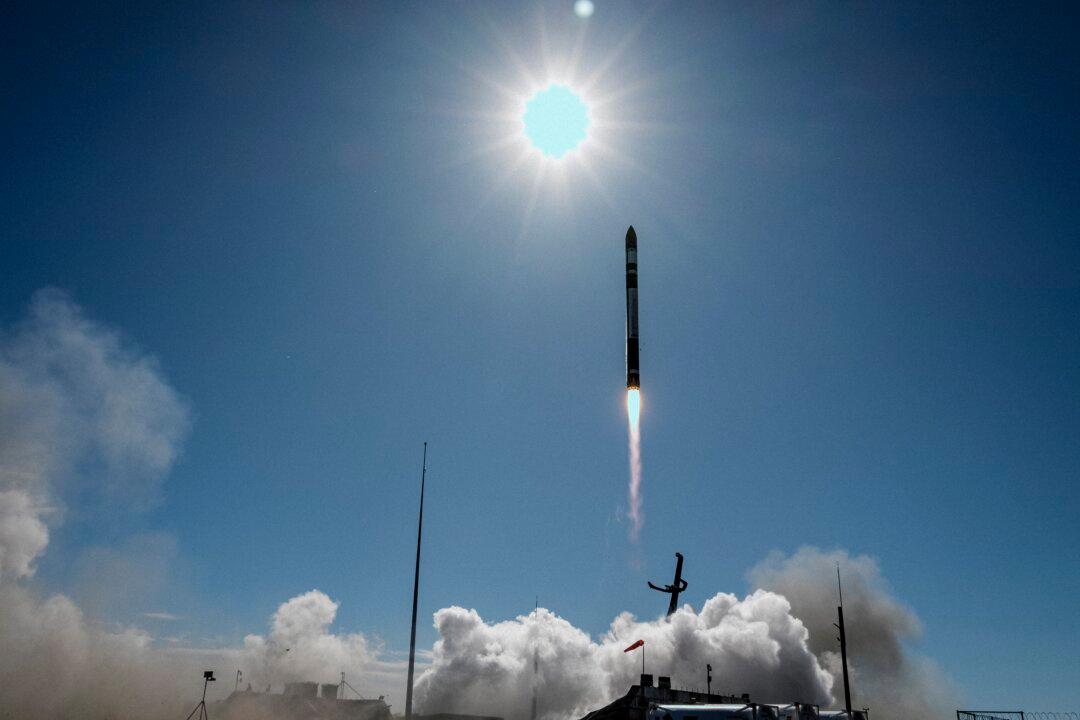
‘They worked with a local company that was likely unaware of the equipment’s capability to collect intelligence of military value,’ said NZ’s spy agency.
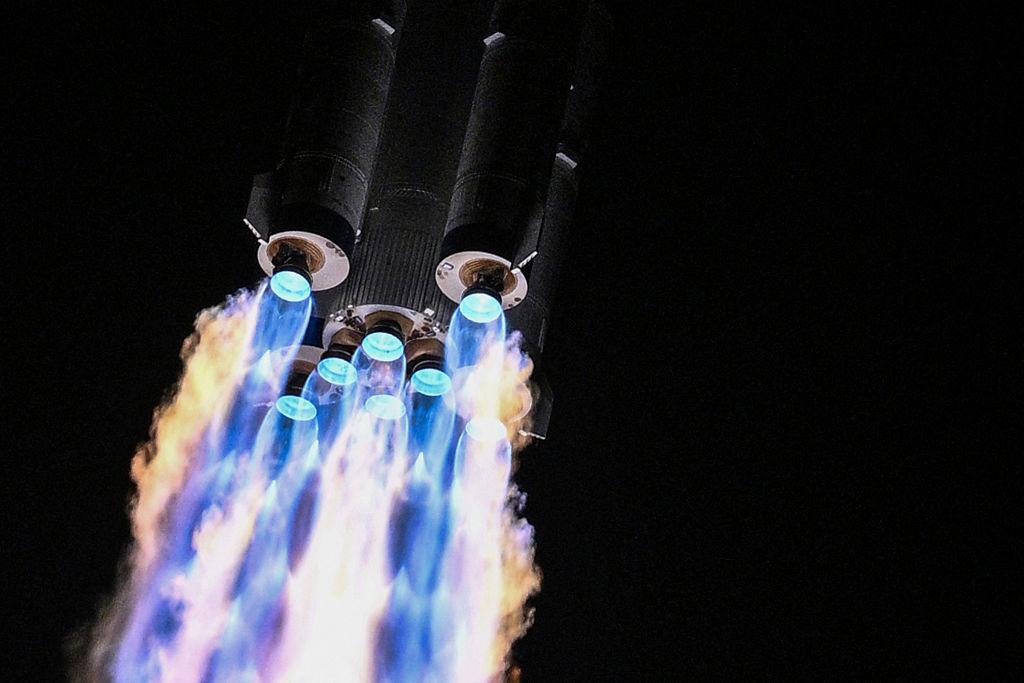
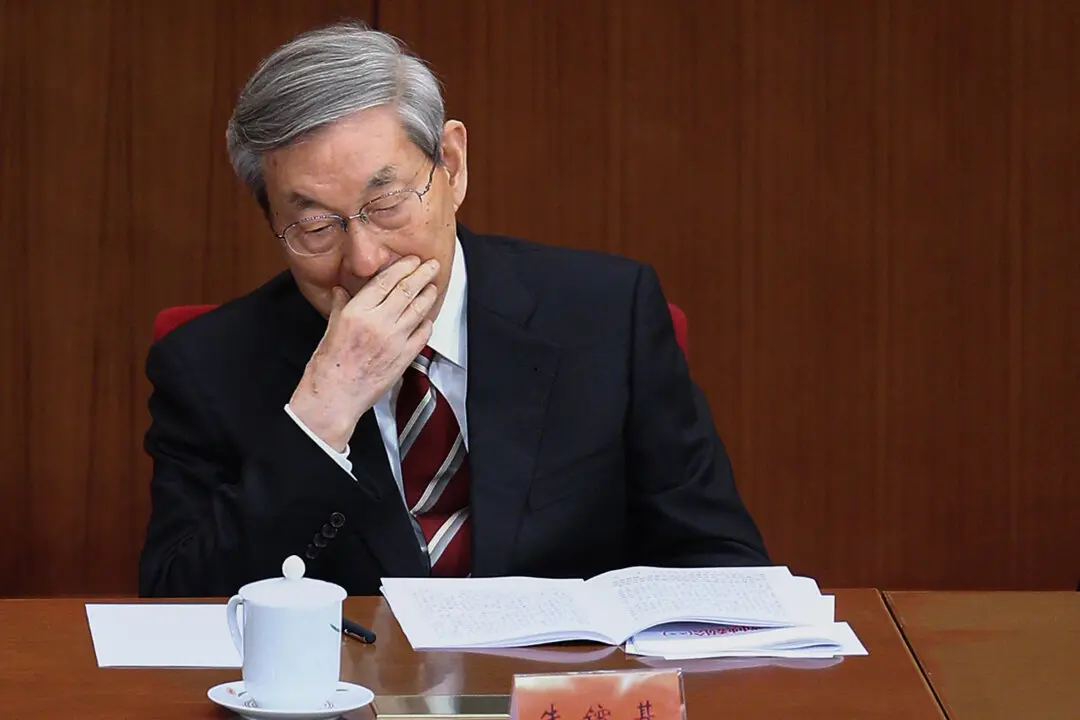
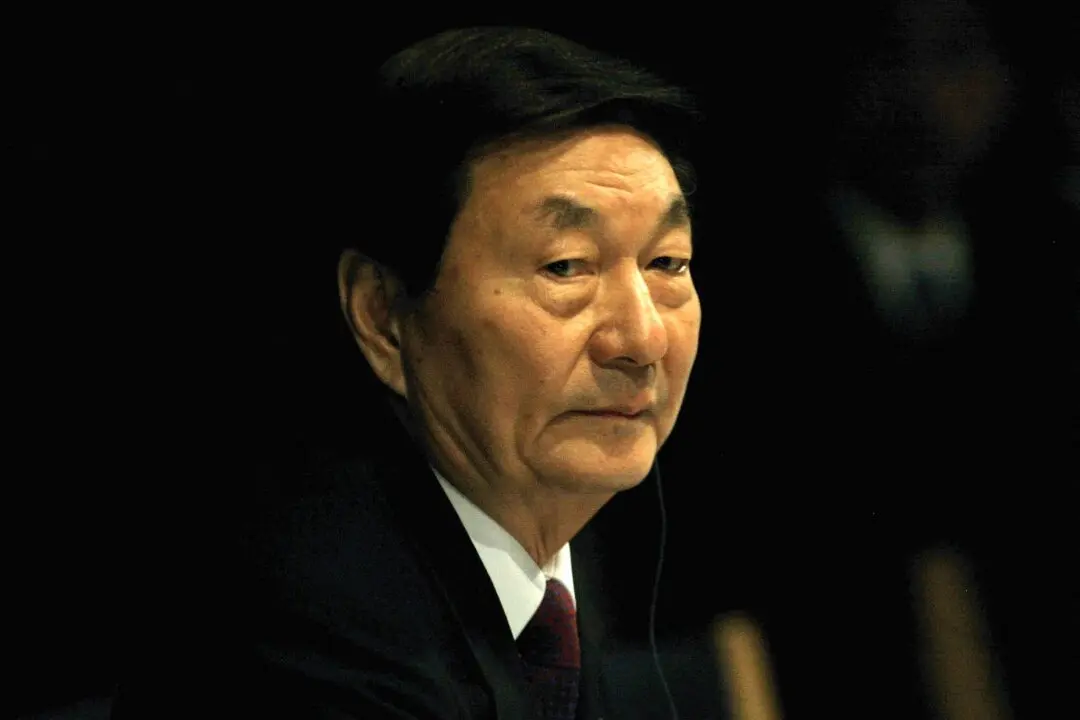
Zhu drove sweeping economic changes, and his obituary avoided politically sensitive parts of his life and legacy.
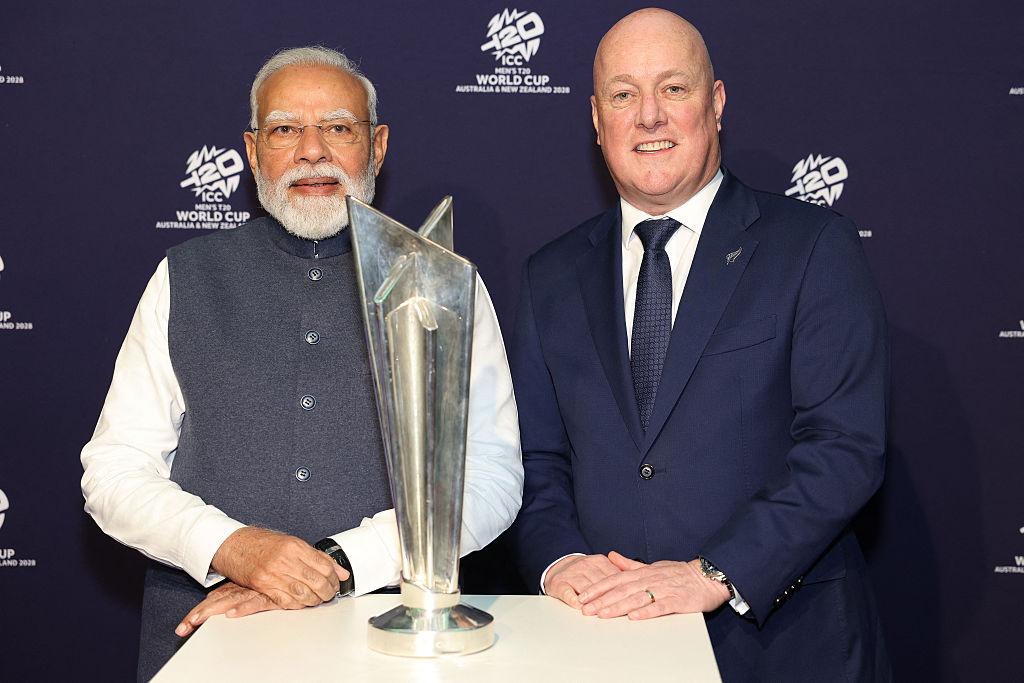
China experts say the agency’s report reflects a hardening in New Zealand’s posture toward Beijing.
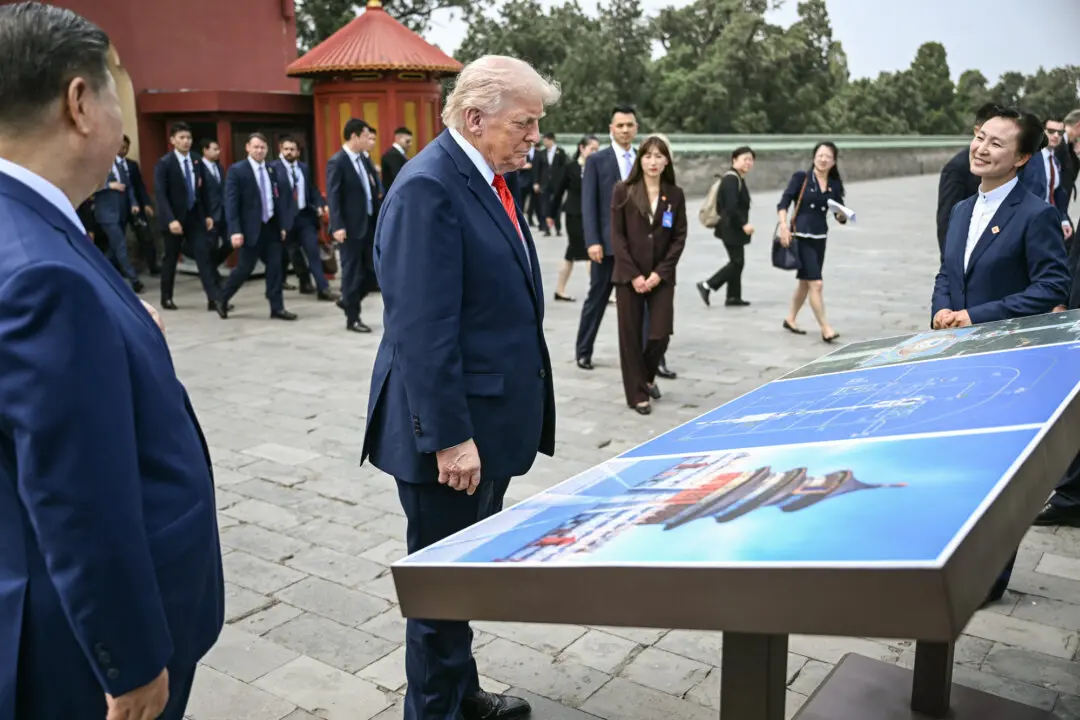
The president revealed that he ordered the Pentagon to scale back the joint military exercises with South Korea on Aug. 16.

‘We try to bring the level of tensions ... down a notch,’ the Philippine president said.

The observatory worked with a local company, likely unaware that the equipment could collect intelligence of military value, said the security agency.
Search and rescue operations have been hindered by communication challenges caused by power outages.

The CCP’s current focus is still on pursuing trade surplus and earning more U.S. dollars, says a source within the CCP’s system.
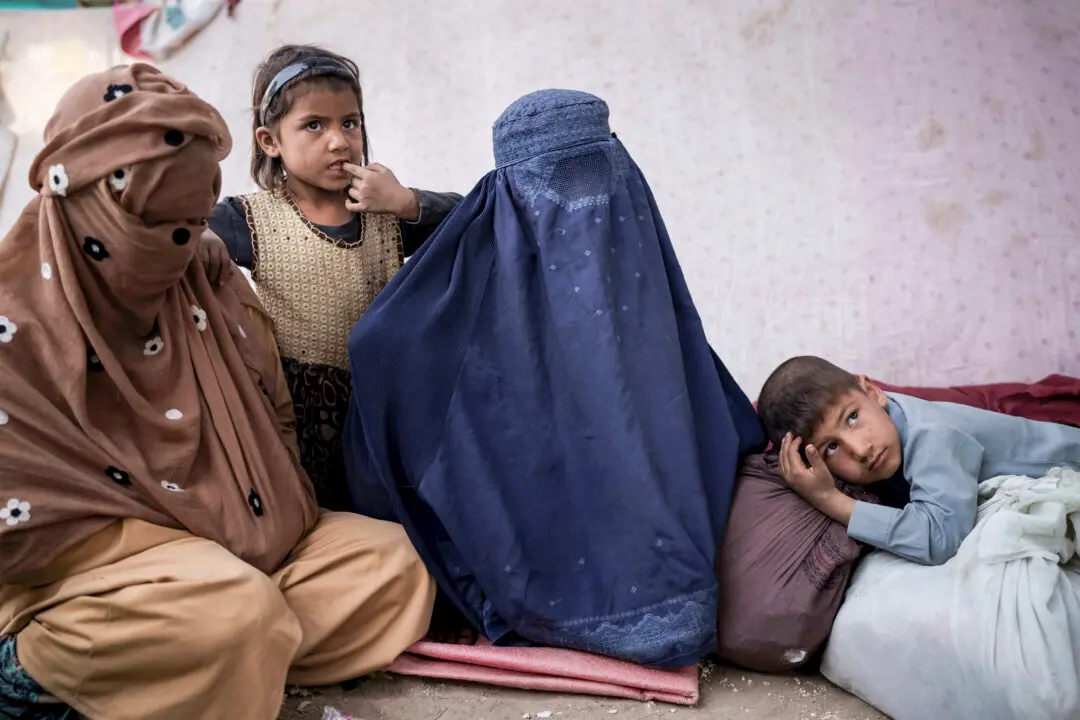
A report from UNESCO estimates 2.4 million Afghan girls have been barred from school since the Taliban regained control in 2021.
Such rhetoric from Pyongyang is typical ahead of joint exercises between South Korea, the United States, and other allies.
The CCP fears public mourning for the reform-era leader could become an outlet for broader expression of dissatisfaction with the regime, an insider said.
Japanese Prime Minister Sanae Takaichi said Russian President Vladimir Putin’s visit to the Kuril Islands was ‘absolutely unacceptable.’