




Richard Strauss’s oboe concerto is one of the most important works ever written for the instrument, serving as a cornerstone of the solo repertoire. At the advanced age of 81, Strauss produced a masterpiece of exquisite lyricism. Yet this monumental work might never have existed, save for a chance encounter that altered the course of history.
This is the story of how an innocent question posed by a young American oboist resulted in a most unlikely and beautiful piece of music.
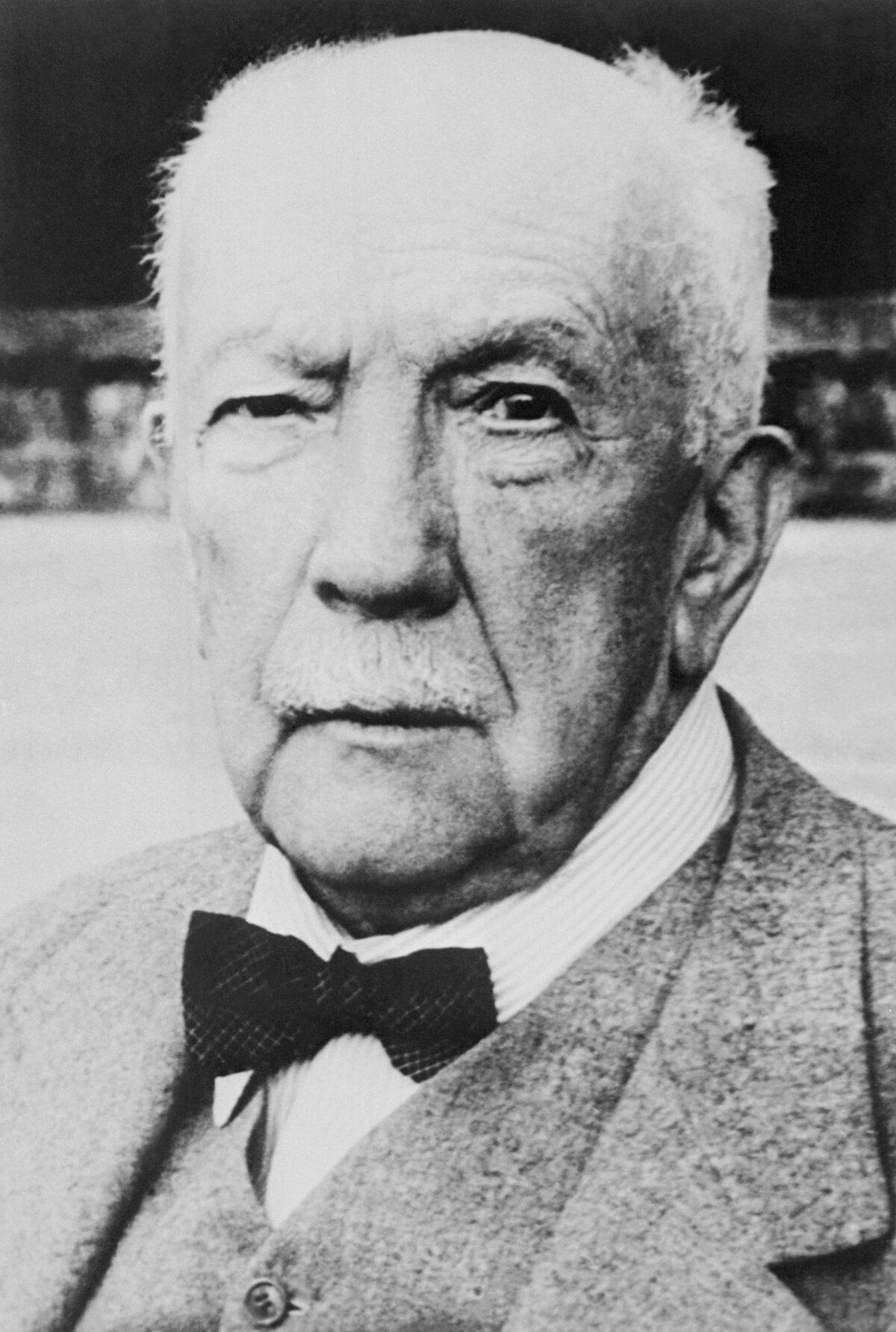
The Inspiration Behind the Work
Our story begins in late April 1945, in the Bavarian resort town of Garmisch, Germany. The war in Europe was drawing to a close as Nazi Germany was being pushed back on all fronts. Elements of the U.S. 10th Armored Division (together with the 103rd Infantry Division) entered Garmisch on about April 30, occupying the town without a fight.With a fragment of the manuscript of his opera “Rosenkavalier” in his hand, he convinced the soldiers handily. As the tale goes, a sign marked “OFF-LIMITS” was placed on his lawn, and the composer got to keep his house.
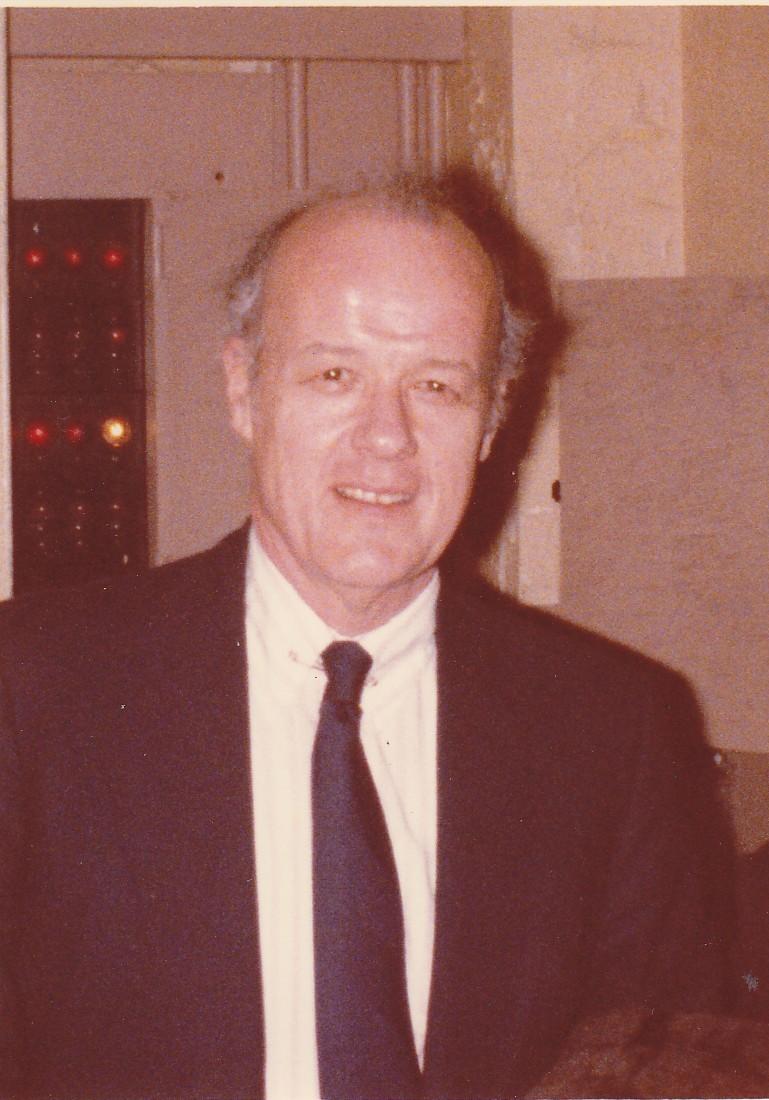
News of the resident celebrity eventually made its way to a young intelligence officer named John de Lancie. Before serving in the army, de Lancie had been principal oboist of the Pittsburgh Symphony. Familiar with Strauss’s masterful use of the instrument in his acclaimed tone poems, he was eager to meet the composer.
That seemed to be the end of the matter.
Strauss Oboe Concerto
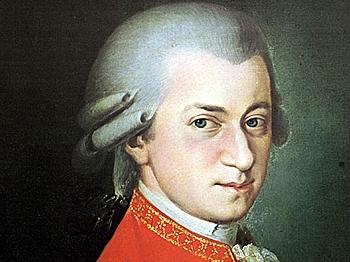
This recording is by François Leleux and the Aurora Orchestra, performing at the 2016 BBC Proms. (Listen)Strauss in his later years became increasingly inspired by Wolfgang Amadeus Mozart, admiring his elegance and heartfelt simplicity. This is apparent in the innocent introduction by the cellos, hearkening back to classical ideals of purity. When the oboe enters, it is with a singing line that unfolds constantly.
At 3:52, we can hear how Strauss pushes the technique of the soloist with rapid descending scales. There is a joyful dialogue with the strings and other woodwinds before a lighthearted orchestral interlude at 4:34. The violins weave among the horns and the oboes of the orchestra before fading off in a mood change reminiscent, again, of Mozart.
At 8:46, the second movement, Andante, begins. The phrase of the oboe extends endlessly, yet the accompaniment of the orchestra never feels inhibiting or claustrophobic. The work is truly reminiscent of the youthfulness of many earlier, pre-Wagnerian Strauss works.
A final unforgettable moment is the cadenza at 16:40. Here, the soloist is challenged by a myriad of register leaps and complex fingering passages. The oboe doesn’t remain alone for long, as the piece enters its conclusion at 17:33, Vivace. This finale is buoyant—an aging Strauss making one last, exuberant statement.


#/media/File:Michsel_Bayard_Photo_Number_2_(cropped).jpg)