The Russian master’s Fourth Symphony was written at a turbulent point in the composer’s life.
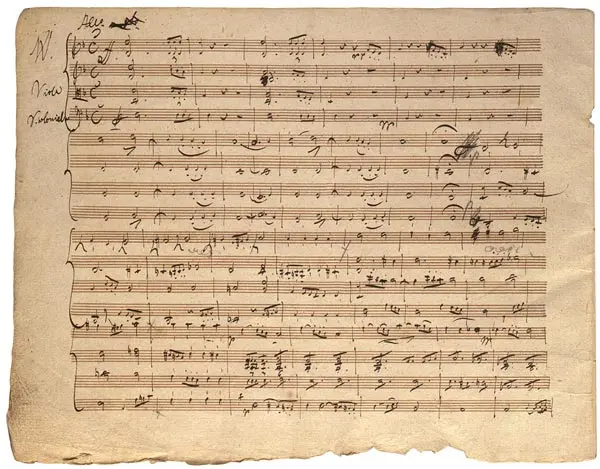
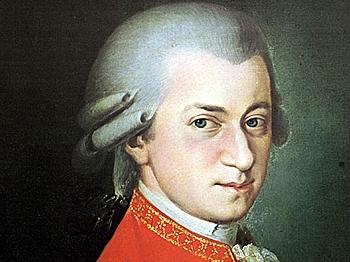
Mozart’s final masterpiece: the story behind the unfinished “Lacrimosa” and the mystery that surrounds it.
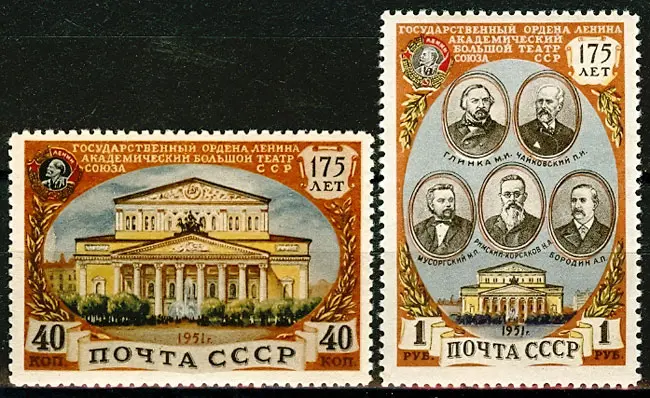
The Russian composer produces an effervescent work that contrasts with his profession’s circumstances.
Even after losing his hearing, Beethoven wrote one of his most powerful and deeply moving works.
French prodigy Ginette Neveu helped elevate Jean Sibelius’s Violin Concerto—a misunderstood masterpiece—to lasting greatness.
From a volcano’s devastation to a song’s enduring fame, how a lost railway inspired Italy’s most infectious melody.
The ‘Enigma Variations’ consists of an ’Enigma' theme followed by 14 variations, each portraying one of Elgar’s close friends through a musical sketch.
Sibelius’ Symphony No. 7 did not follow symphony conventions of four movements nor did it try to sound unique by choosing a little used key. He chose C Major.
The Russian master’s Fourth Symphony was written at a turbulent point in the composer’s life.
Mozart’s final masterpiece: the story behind the unfinished “Lacrimosa” and the mystery that surrounds it.
The Russian composer produces an effervescent work that contrasts with his profession’s circumstances.
Even after losing his hearing, Beethoven wrote one of his most powerful and deeply moving works.
French prodigy Ginette Neveu helped elevate Jean Sibelius’s Violin Concerto—a misunderstood masterpiece—to lasting greatness.
From a volcano’s devastation to a song’s enduring fame, how a lost railway inspired Italy’s most infectious melody.
The ‘Enigma Variations’ consists of an ’Enigma' theme followed by 14 variations, each portraying one of Elgar’s close friends through a musical sketch.
Sibelius’ Symphony No. 7 did not follow symphony conventions of four movements nor did it try to sound unique by choosing a little used key. He chose C Major.