




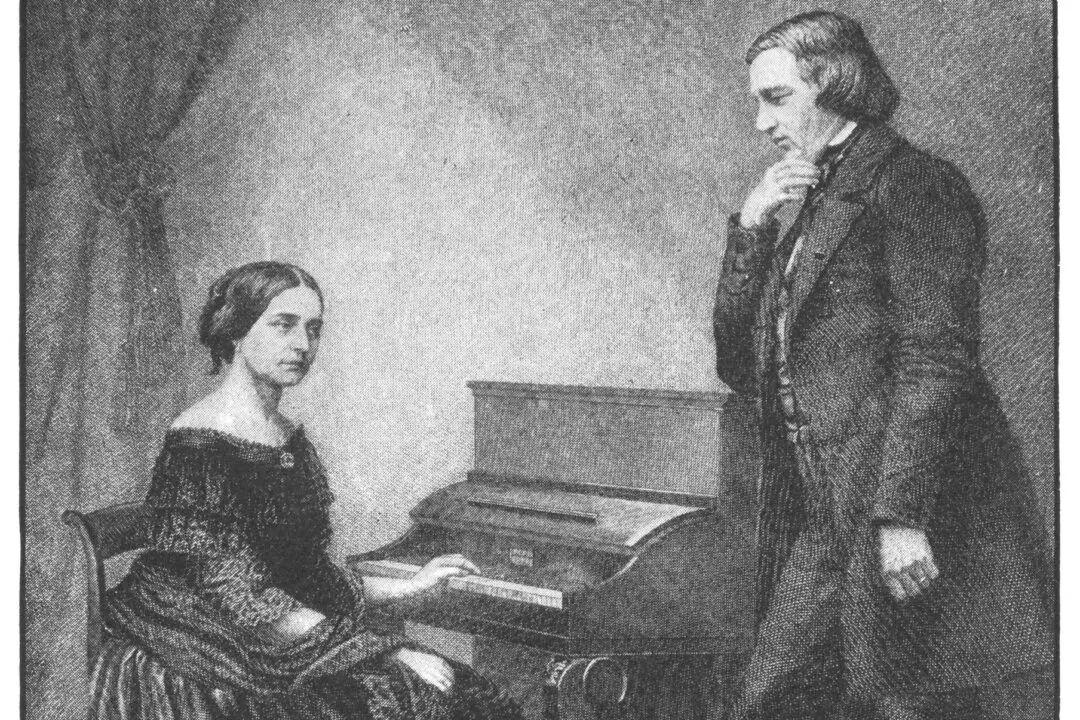
Robert Schumann (1810–1856) was a poet of piano and song. Embodying the creative spirit of early Romanticism, Schumann wrote music characterized by great drama and lyricism. Musicologist Carl Dahlhaus described the composer’s approach to music as rising “above the realm of the trivial “through spirituality and soulfulness.”
Schumann’s poetry exceeds the boundaries of music. In 1834, he co-founded and wrote for the Neue Zeitschrift fur Musik (the New Music Journal), a publication that commented on and critiqued new music of the time. The periodical, which exists to this day, brought into the spotlight composers of then-modest reputations: Frederic Chopin, Franz Schubert, and Johannes Brahms.
Unconventionally, the New Music Journal analyzed music through story. Much like Schumann’s compositions, his writing refrained from dry exposition. Dialogue and debate furnished the pages, whimsical narratives taking the place of rote review. Yet the most unique part of Schumann’s writing was his dual authorship, his expression through his twin personalities of “Florestan” and “Eusebius.”
Schumann wrote under the personas of two distinct fictional critics, artistic split personalities which balanced exuberance with contemplation. Fiery Florestan assessed music impetuously and passionately, while the introverted Eusebius was thoughtful and gentle in his appraisals. The duality of extraversion and introversion created an atmosphere of discussion, transforming musical analysis into something akin to a conversation between friends.

‘Carnaval’ Op. 9
Today’s recording of Robert Schumann’s “Carnaval” Op. 9 is by Claudio Arrau. (Listen)Consisting of 21 miniatures, “Carnaval” depicts an elaborate masked ball during the carnival season. The festivities attract a variety of guests, from fellow musicians to Schumann’s future wife, and even alter egos of the composer himself. Each miniature is given a title, modeled by the musical cryptogram of “A, E-flat, C, B,” or in German notation, “ASCH.”

“Carnaval” transformed the concept of a piano suite. Each section was like a psychological exploration through music, hidden in code and symbolism. Take the first miniature, “I. Preambule,” which begins with thundering chords that announce the beginning of the festivities. The “ASCH” motif appears, a reference to the hometown of Schumann’s then-fiancée Ernestine von Fricken.
Schumann also makes reference to other figures, such as composers in “XII. Chopin” or “XVII. Intermezzo—Paganini.” But the most personal miniatures are undoubtedly the fifth and sixth of the cycle, “V. Eusebius” and “VI. Florestan.” Here, the composer’s alter ego provides insight into the personality of one of history’s most enigmatic composers.
“V. Eusebius” begins with a delicate, lilting melody. The rhythms and harmonies feel suspended, almost trancelike. The notes unfold like poetry, with each verse carefully placed. “Eusebius” represents the tender and dreamlike ego of the ideal Romantic artist.
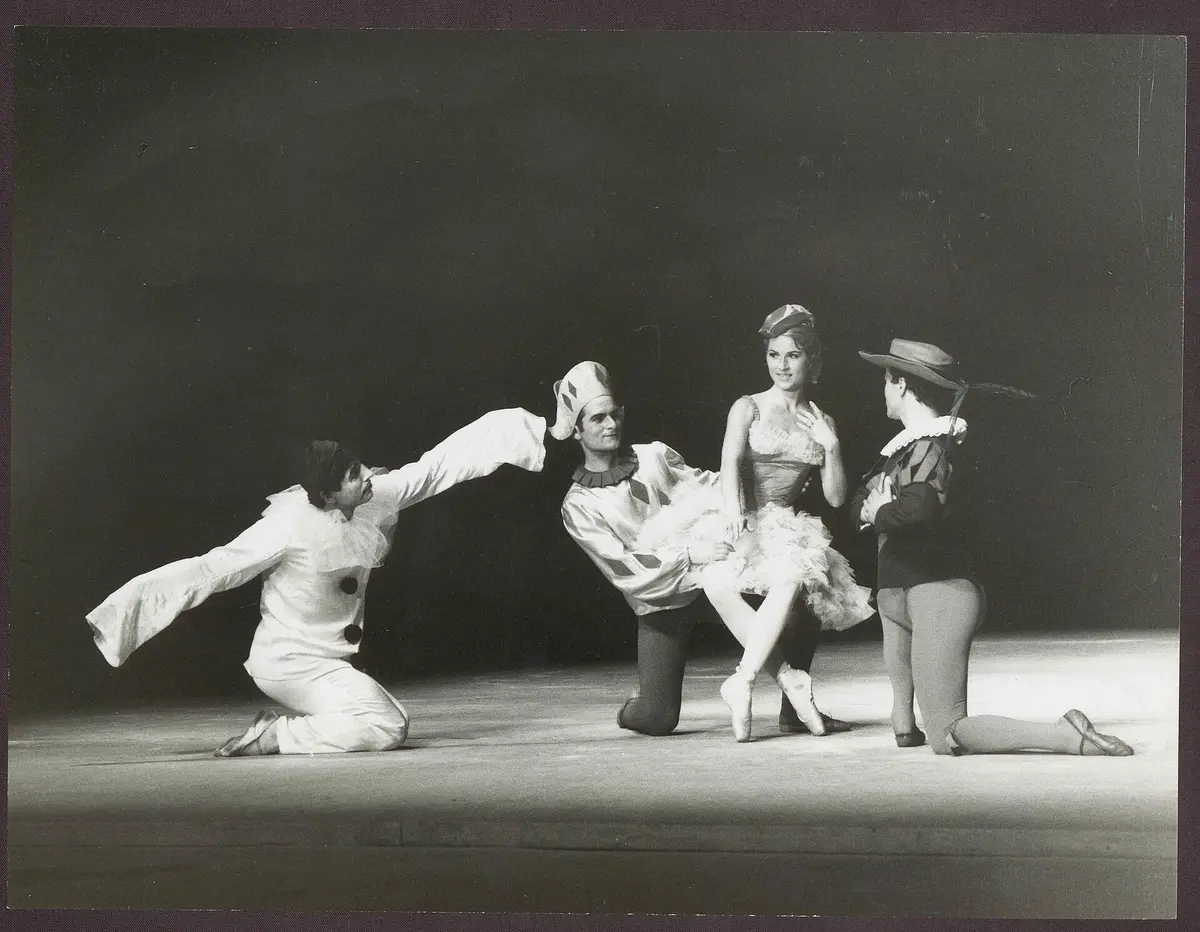
“VI. Florestan” follows right after, an excited flurry of notes that immediately contrast the previous miniature. The phrases are virtuosic and impulsive, pausing abruptly before continuing. The harmonies shift without warning, flashes of brilliant pianism shining throughout. “Florestan” evokes the passionate side of Schumann’s music

_-_LABW_-_Generallandesarchiv_Karlsruhe_57-3_Nr._8127.jpg)