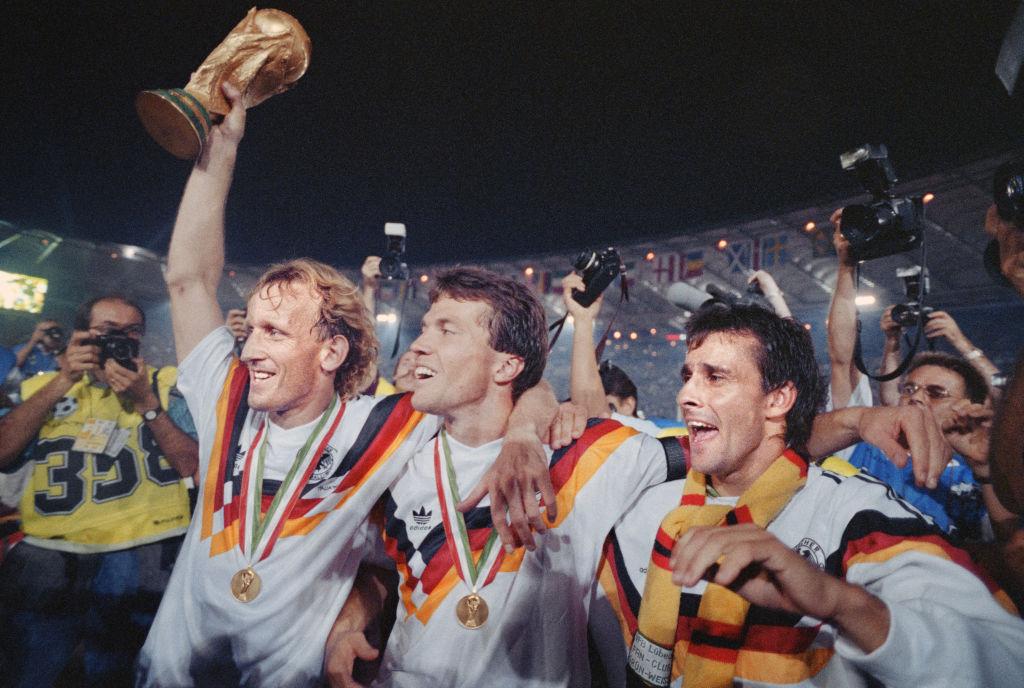
On July 8, 1990, the FIFA World Cup final in Rome reached fever pitch. Over an hour had passed, and neither team had scored a goal. The sporting competition featured the defending champion, Argentina, versus West Germany, whose team had lost the previous two finals and was hungry to go one better. Argentina’s captain Diego Maradona was seeking a second World Cup.
With just five minutes remaining, the stalemate broke. A run into the penalty area by West Germany’s Rudi Völler ended when Argentine defender Roberto Sensini challenged him from behind, and referee Edgardo Codesal pointed to the spot. Penalty.
The Argentine players were furious, but the call stood. Penalty kick taker Andreas Brehme stepped forward with the chance to give West Germany the lead. With the game on the line, he kicked a low, accurate shot into the corner. The ball clipped the outstretched hand of goalkeeper Sergio Goycochea and crept into the net. As the final whistle sounded a few minutes later, Maradona stood shell-shocked while the West German players embraced each other in disbelief.
Italia ‘90 was over. Millions of fans reveled in the streets as West Germany celebrated their victory in the Stadio Olimpico, defeating Argentina 1-0.
Football supporters are famous for their passion. From anthems sung in stadiums to tears shed in defeat, nothing quite compares to the feeling of victory. Indeed, even before the final, the word “vincero” resonated in the hearts of fans, except for reasons unrelated to soccer.
“Vincero,” or “I will win,” is actually the final line of one of history’s greatest arias. A 1972 recording was used as the theme song of the BBC’s tournament coverage, heard by tens of millions before and after each match. The tenor behind the recording, joined by two others in a trio of singers, delivered a live performance on the eve of the finals which cemented the legacy of the aria for good.
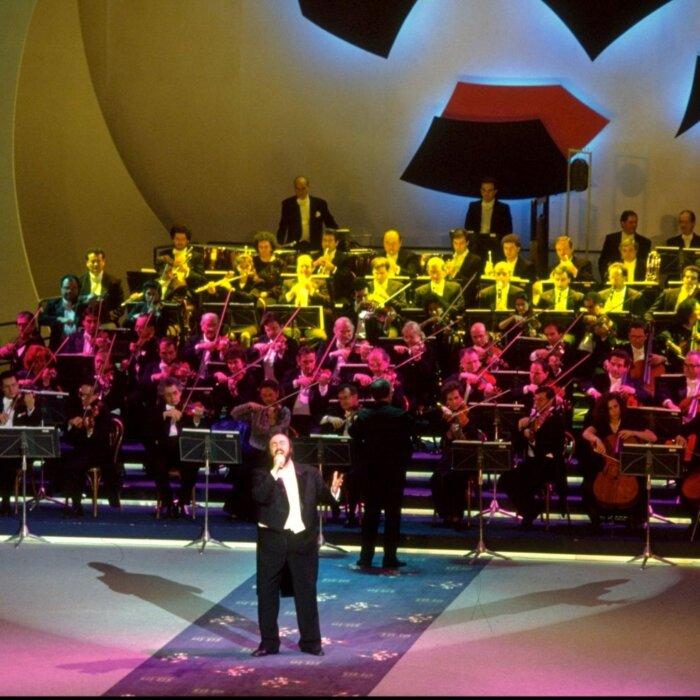

This aria is none other than Giacomo Puccini’s “Nessun Dorma,” from the opera “Turandot.” The singer, whose performance launched both himself and the aria beyond classical music into the territory of popular culture, was Luciano Pavarotti.
The theme was a perfect fit for what was to become one of the most culturally significant events in soccer history. Over the backdrop of picturesque Italian architecture and heated competition, the song about identity and love became inseparable from the emotions of the sport. For viewers of that summer event, “Nessun dorma” represented the promise of triumph and the perseverance of the human spirit.
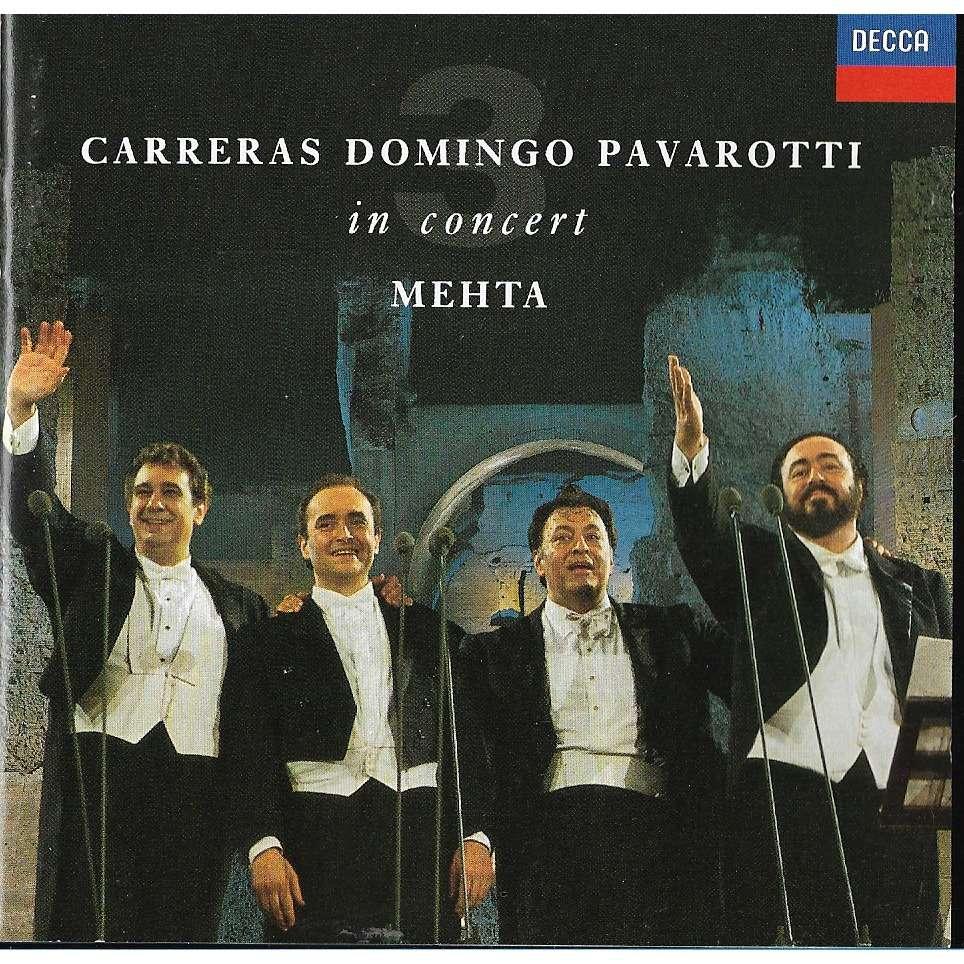
Pavarotti’s single of “Nessun dorma” reached number No. 2 on the UK chart. The album of the concert from the World Cup, “The Three Tenors in Concert,” became the best-selling classical album of all time. The album achieved triple platinum record status in the United States.
‘Nessun Dorma’ from ‘Turandot’
(Listen)Today’s recording of Puccini’s aria “Nessun Dorma” from the final act of “Turandot” is sung by Pavarotti. He is joined by the L.A. Philharmonic and the L.A. Music Center Opera Chorus, led by Zubin Mehta.
As a rising string arpeggio drifts off into the distance, the voice of a tenor declares, “None shall sleep!” The words “Nessun dorma” sound in the moonlit palace gardens of a fantastical ancient Peking (now Beijing), the setting of “Turandot.”
The words are actually a command by the Princess Turandot, as she seeks the name of our protagonist Calaf. Calaf is seeking to marry the princess and has challenged her to discover his identity by morning. If she does, she can execute him. If she fails, she must marry him. In response, the icy Princess mandates her subjects to find out Calaf’s name by dawn, lest they all be executed. Hence her decree, “None shall sleep!”
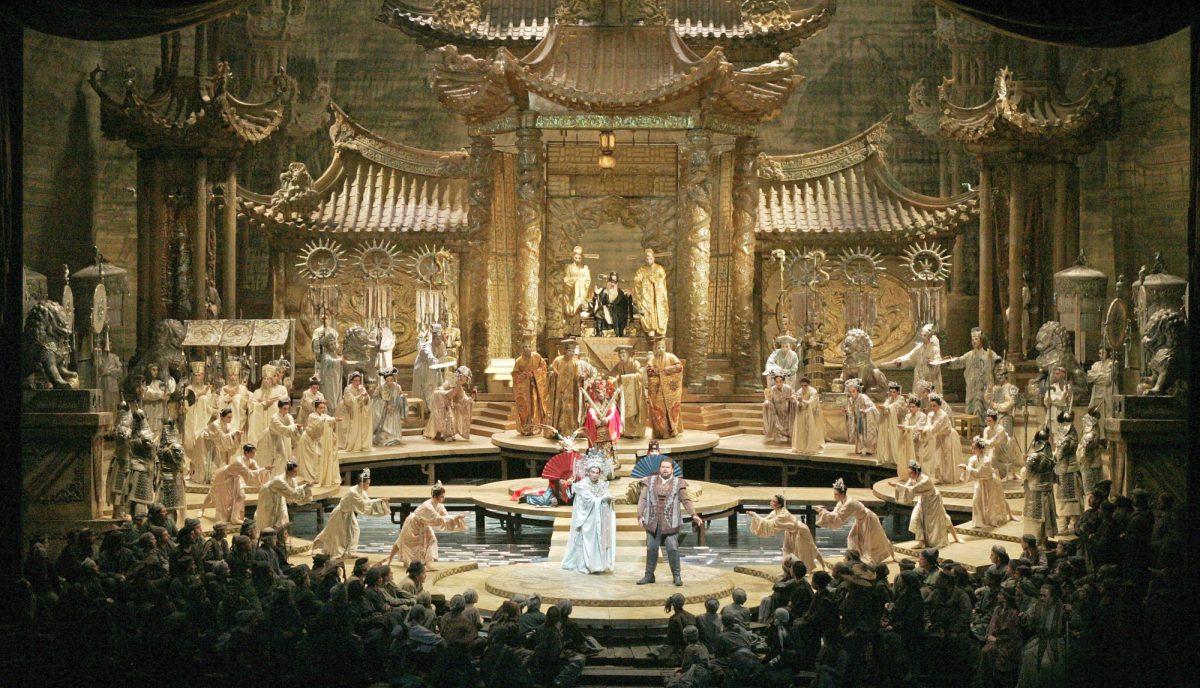
Calaf isn’t worried. He sings that his “secret is hidden within” and that he will only reveal it “when the light shines.” As the orchestra builds, and a chorus of women echo the motif of the song, the tenor interjects, now certain of victory. “Vanish, o night!/ Fade, you stars!/ At dawn, I will win!”
Puccini died on Nov. 29, 1924. “Turandot” was his final opera, which he never completed. At its premiere at La Scala on April 25, 1926, conductor Arturo Toscanini stopped the performance at the point where Puccini’s manuscript ended and turned to the audience. “Here,” he said, “the Maestro laid down his pen.”