A young woman sits alone. Perhaps she is at a drawing room desk, looking out the window. Moonlight streams through, casting long shadows across the floor. All is quiet.
“Pass me by! Oh, pass me by! Go, fierce man of bones! I am still young! Go, dear, And do not touch me.”
It seems that nothing is there, yet the woman can see it clearly. Death has come to visit. The dark force whispers:“Give me your hand, you beautiful and tender form! I am a friend, and come not to punish. Be of good cheer! I am not fierce, Softly shall you sleep in my arms!”
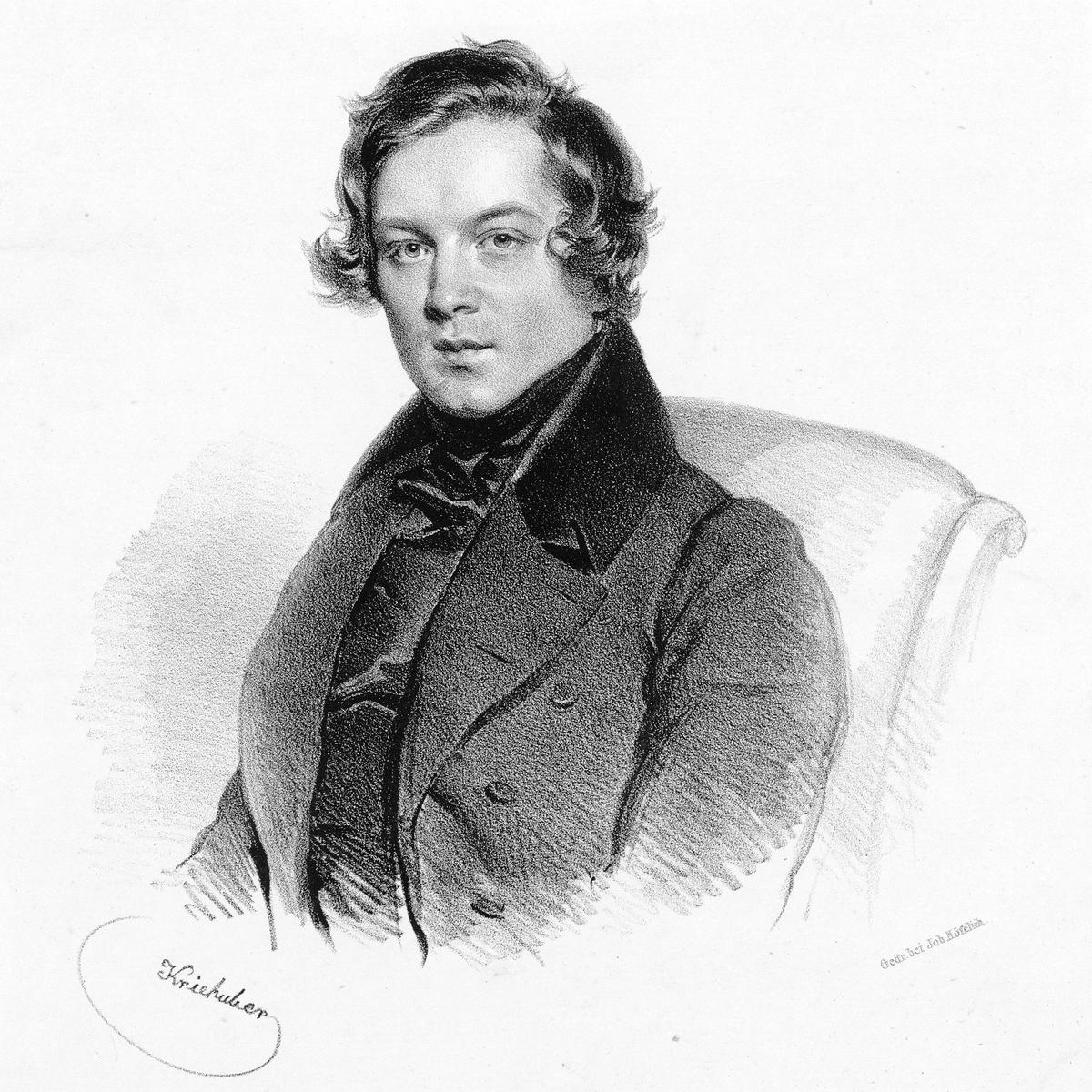
This dialogue between the woman and Death comes from the poem “Der Tod und das Mädchen” by Matthias Claudius. Set to song by Franz Schubert in 1817, the melody became the core of the second movement of Schubert’s String Quartet No. 14 in D minor, “Death and the Maiden.”Schubert wrote the quartet in March of 1824, during a period of great unhappiness. In a letter written on March 31, he confessed: “I feel myself to be the most unhappy and wretched creature in the world. ... Each night, on retiring to bed, I hope I may not wake again, and each morning but recalls yesterday’s grief.”
Schubert had contracted what scholars believe to be syphilis. It would be a fatal diagnosis. Between a possible third outbreak in 1823 to his suffering and eventual death, life for the composer was bleak. Ironically, his death is now attributed in part to mercury poisoning, a toxic side effect of the standard treatment for the disease at the time. Faced with failing health and his own mortality, Schubert composed in “Death and the Maiden” what amounts to a musical dance with death. Schubert passed at an early age. Schubert passed at an early age, leaving his String Quartet No. 14 as one of his last testaments in the chamber genre.
String Quartet No. 14 in D Minor
The Borodin Quartet brings to life the second movement, Andante con moto, of Schubert’s String Quartet No. 14 in D Minor, D. 810, “Death and the Maiden.” (Listen)The movement consists of a theme and five variations. Beginning in the somber key of G minor, the theme features a chorale of death. The quartet marches softly, painting a beautiful yet melancholic picture.
The first variation of the movement begins at 2:53. The first violin dances over agile bow strokes of the second violin and viola, with the cello thrumming throughout. Could this be the fair maiden, full of life and vitality? The melody is active and lively, soaring arpeggios and off-beat entrances giving the sense of movement and capriciousness.
The mood shifts at the second variation, at 4:58. The cello looms, singing an ominous rendition of the melody. The higher strings are relentless, driving the music forward. When the third variation arrives at 7:04, the music reaches its peak. Death has arrived. Here Schubert marks dynamics ranging from “fortissimo” to “pianissimo,” emphasizing the conflict. The drama is further heightened by repetitive rhythms, which transform the melody into a stormy version of itself.