Tune in Today: Exploring Bohemia in Dvorak’s ‘Dumky Trio’

The Bohemian composer relied on Ukrainian folk songs to compose this evocation of his homeland.
Tune in Today: Exploring Bohemia in Dvorak’s ‘Dumky Trio’
"Jarema's Dumka," 1879, a painting by Stanislaw Maslowski in the National Museum in Warsaw. Antonin Dvorak produced the nonstandard "Dumky Trio" to highlight the country life he grew up in. Public Domain
|Updated:
Wistful bells toll as chords from the piano ring. When they fade, a choir of strings blooms into the receding space, warm tones wreathing the piano in rays of sunlight. Close your eyes, listen. The piano sings a delicate melody, evoking a memory of the verdant countryside. (Listen)

This, at 10:51, is the third movement, “Andante,” from Dvorak’s Piano Trio No. 4, Op. 90, performed by pianist Jeff Manookian, violinist Laura Bossert, and cellist Terry King.

Premiered in 1891, this quirky work was nicknamed the “Dumky Trio.” It is Dvorak’s deepest exploration of the “dumka,” a type of melancholic Ukrainian folk song.

The “Dumky Trio” has become one of the composer’s most beloved works, partly because of its naivety, but more so because of its earnestness. It is perhaps Dvorak’s most evocative portrayal of his cherished homeland.

Homeland

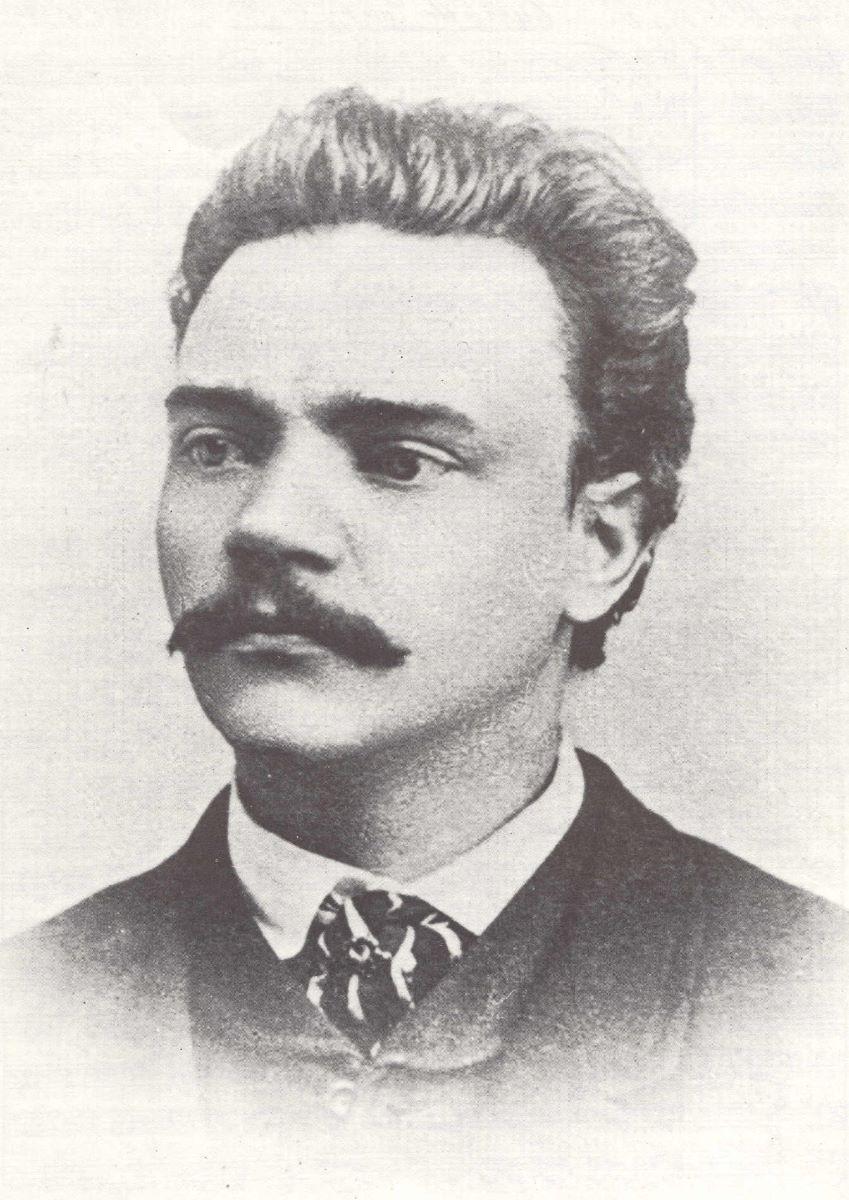
Antonin Dvorak in 1868. (Public Domain)
Antonin Dvorak in 1868. Public Domain

Antonin Dvorak (1841–1904) was Bohemian. Born in the small village of Nelahozeves, he spent his youth immersed in the folk tunes of the countryside. His father wanted him to become a butcher, but his talents would take him far from his country home and to one of the premier musical capitals of Europe: Prague.

After moving to Prague and achieving success following masterpieces such as his Symphony No. 7 in D minor in 1885, Dvorak would become increasingly experimental with his musical forms. The outpouring of harmonically unwieldy works had led Dvorak to take a completely new approach in his compositions, which culminated in the “Dumky Trio.”
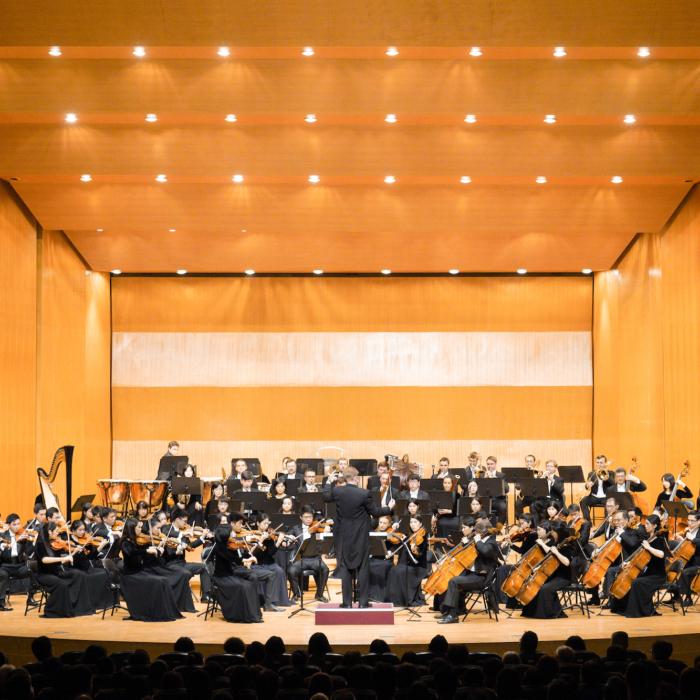
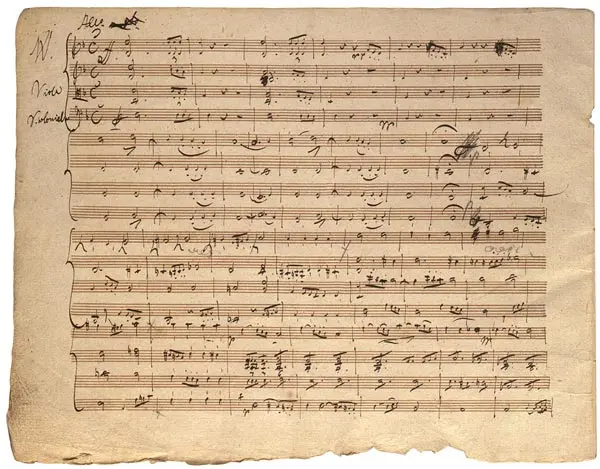
Rather than a traditional sonata of four movements, six dumky make up Dvorak’s most curious work. Each consists of a small ternary, whereby a simple melody is stated, expanded upon, and then brought back again. The relative simplicity of the “Dumky Trio” is a jarring contrast to the heavy sonata form, where movements are musically arduous and complex.

This recording is especially illustrative. Elements of the music bring forth images of golden canola fields and sprawling vineyards. Listen to the yearning dotted-eighth-note sequence as it descends on the piano. When the figure repeats, the strings enter, hushed, like fragrant wild grass stirred by the summer winds.

There are elements of joy throughout, such as where the piano taps playful triplets, mimicked by the cello as they envelop a lively violin solo. The essence of the Bohemian landscape is brought to life beautifully by a masterful application of rhythm and texture.

What arts and culture topics would you like us to cover? Please email ideas or feedback to [email protected]
Google LogoMark Us Preferred on Google
George Cai
George Cai
Author
George Cai, a cellist and an enthusiast of classical music, has toured the globe from Carnegie Hall to the Deutsche Oper Berlin. He resides in New York.