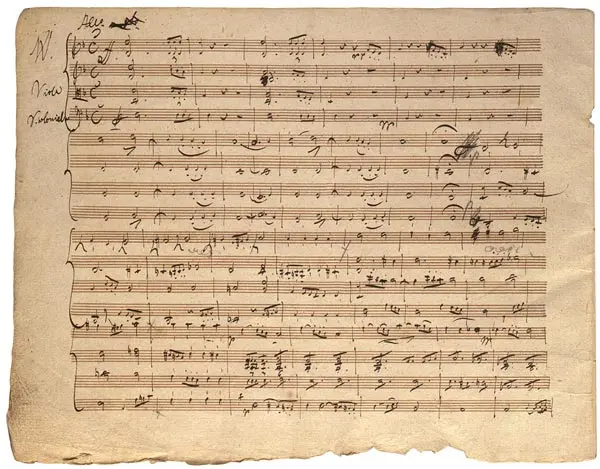
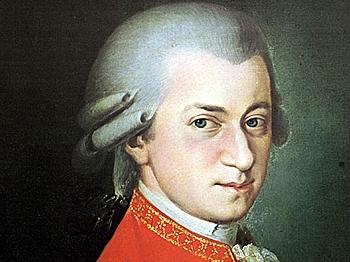
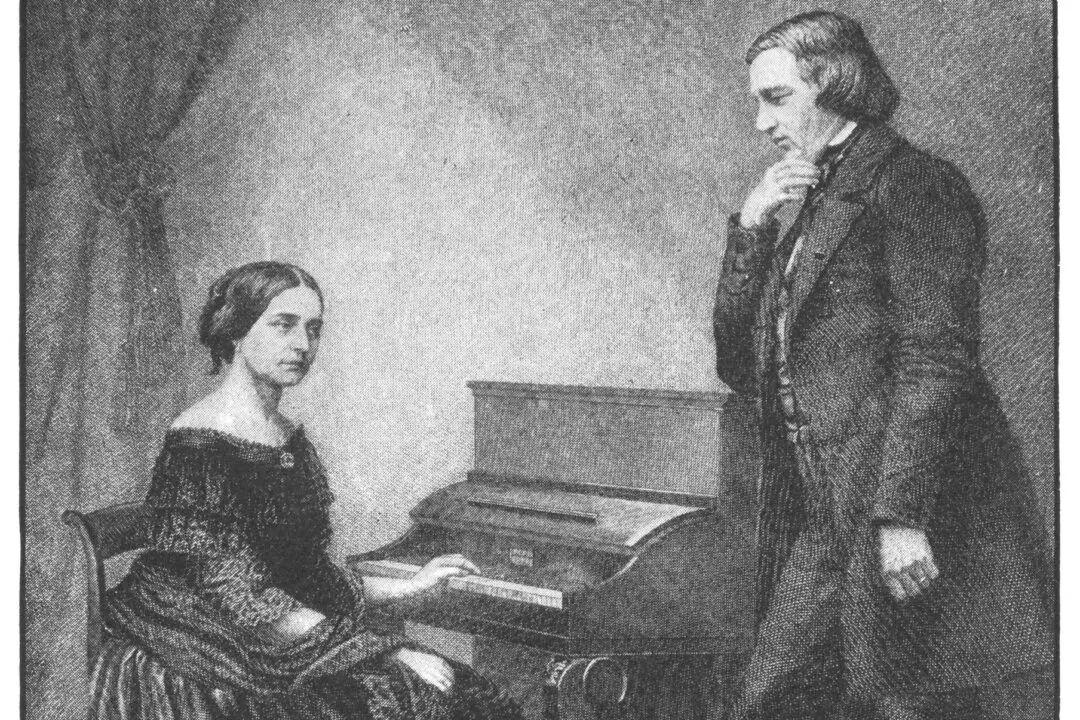
Our unlikely story surrounding Joseph Haydn’s now-beloved Cello Concerto begins far from its birthplace in Vienna. The year was 1961, and a musicologist named Oldrich Pulkert was working at the National Museum in Prague. His duties as an archivist were routine: sorting through records, preserving fragile manuscripts, and examining documents from outside collections. It wasn’t the most exciting work; he spent long nights poring through dusty papers. However, today was different. Little did Pulkert know, he was about to make one of the greatest musicological discoveries of the 20th century.
He had just started reviewing a collection of documents from the village of Radenin, located on a chateau some 50 miles south of Prague, when he came across a score. In it was a set of parts for a cello concerto, signed by a cellist named Joseph Weigl. Pulkert’s interest was piqued; Weigl had been principal cellist for the Esterhazy court orchestra, the same orchestra where Haydn had been employed. Not only that, the two Josephs were close friends. Haydn was even godfather to two of Weigl’s children.
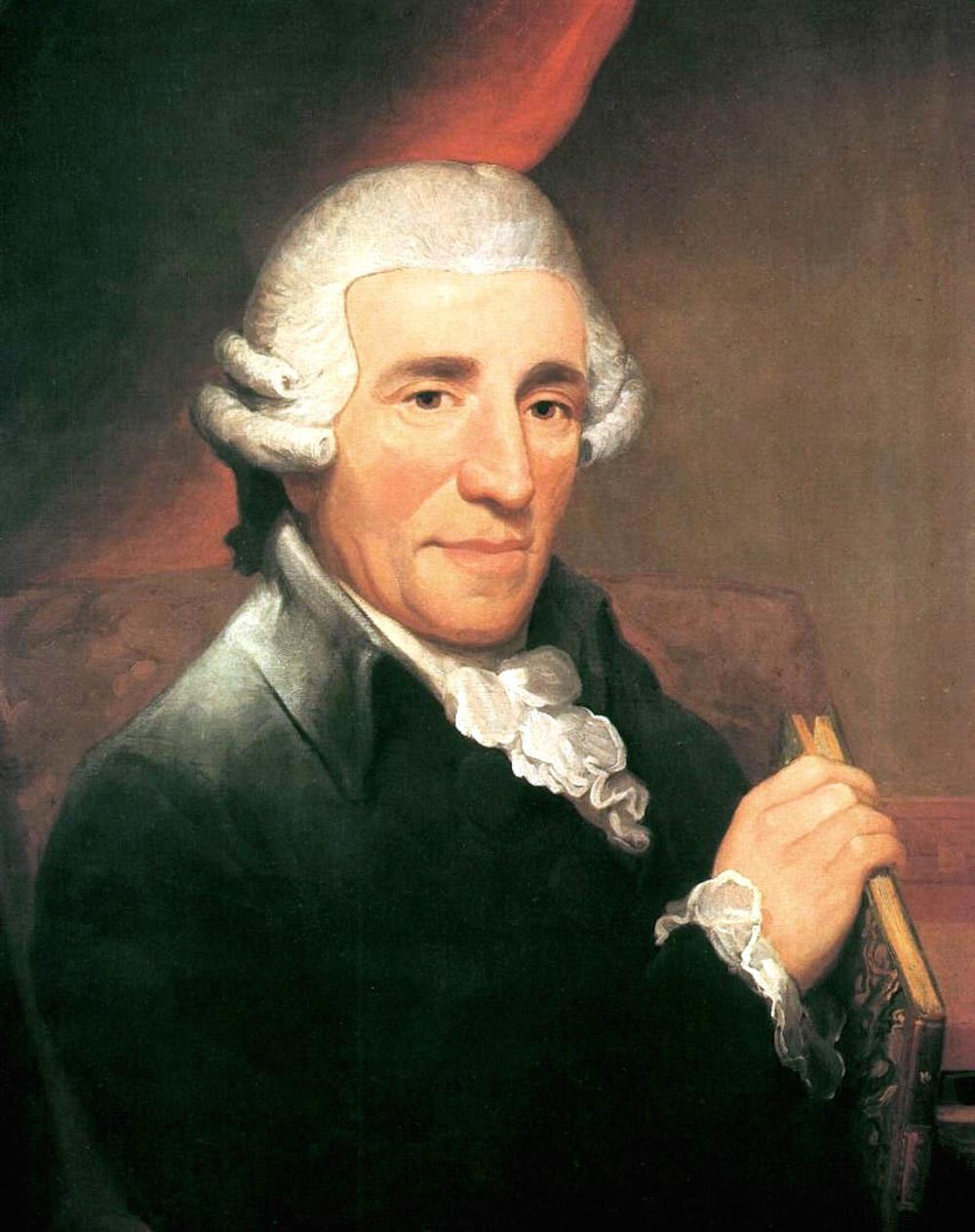
Haydn had only one surviving Cello Concerto at that point, a later work in D major. His other cello concertos were presumed lost or destroyed, and the discovery of another would be unprecedented. Yet, as the examination intensified, the excitement only grew.
The work was characteristic of other works from the collection of Count Rudolf Franz von Morzin. It had survived for 200 years before ending up secretly tucked away in the Czech village. A reference in Haydn’s own catalog to the concerto’s main theme confirmed the work’s authenticity beyond a doubt. Haydn scholar H.C. Robbins Landon described it as “the single greatest musicological discovery since the Second World War.”
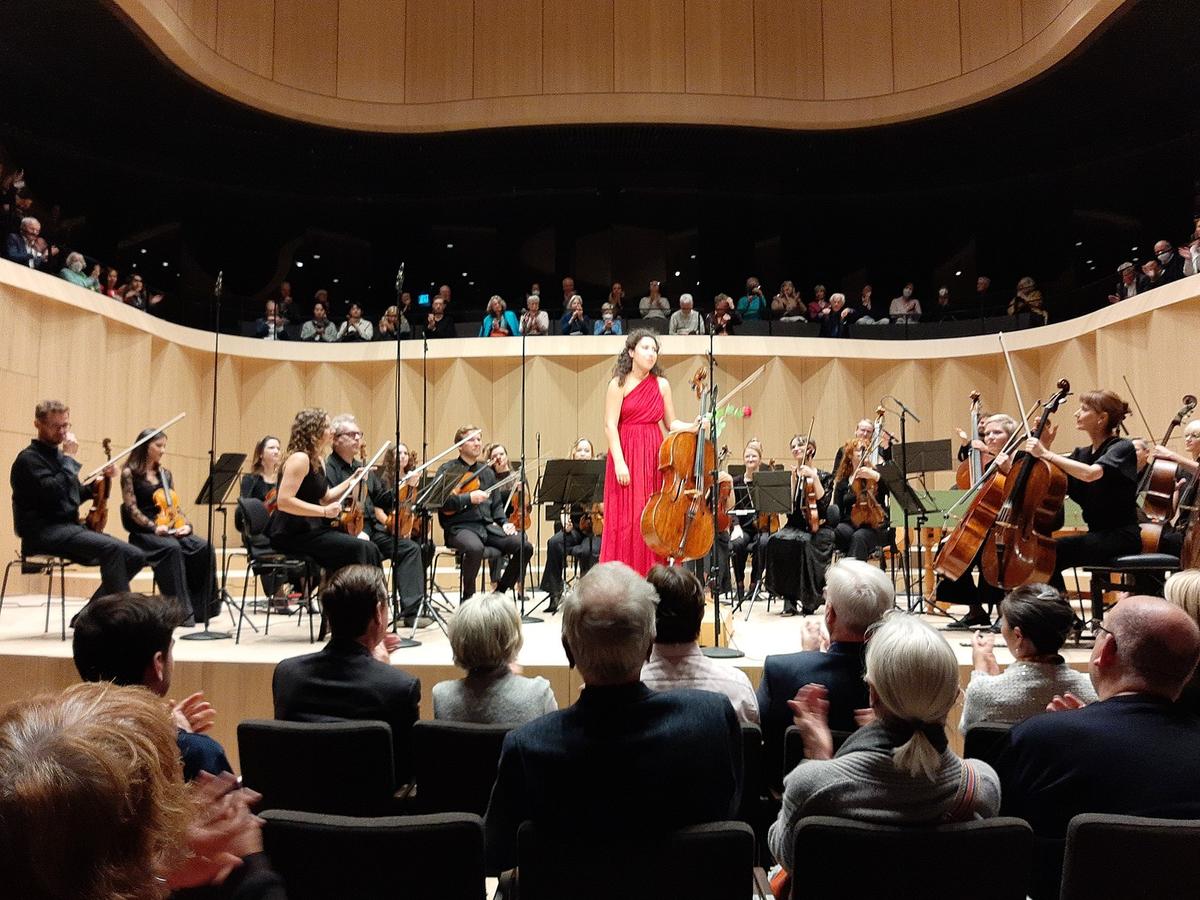
The first movement, Moderato, premieres with a light, spirited melody by the violins. A pair of horns joins the strings and winds, signaling the soloist to enter. The main theme returns, ornamented with robust chords. Listen to the building tension at 2:00 and the beautiful release of the phrase at 2:24. The first movement caps off with a virtuosic cadenza at 7:34, with flashy double-stops in the high register. These cadenzas were meant to be improvised or composed by the performer as a chance for them to show off their virtuosity.


The second movement, Adagio (8:52), is a slow movement in F Major. Listen to the effortless singing qualities of the cello at 9:50. Haydn takes advantage of the instrument’s warm, resonant sound to sculpt melodic lines in the music that are elegant yet tender.
The third movement, Allegro Molto (17:00), is spirited and fast. At 19:50, the soloist’s fingers dash around the fingerboard in complex scale patterns.