Niccolo Paganini (1782–1840) was perhaps the most influential violinist of all time. Besides playing so flawlessly as to be accused of witchcraft, he was a natural showman and innovator.
Techniques such as left-hand pizzicato and artificial harmonics, which he perfected, dazzled audiences. His feats were legendary, such as intentionally snapping strings mid-performance to shock listeners, turning difficult pieces into nigh-impossible ones. He gained a cult following, earning a place in musical history as the very first violin superstar.
Besides pushing the technical boundaries of the violin, Paganini made immense contributions to the repertoire. Works such as his Violin Concerto No. 1 in D Major are known to be the some of the most technically challenging in all of violin music.
An Inspired Work
“Paganiniana” is the name of a singular work, composed and performed by Nathan Milstein (1903–1992) for solo violin. (Listen)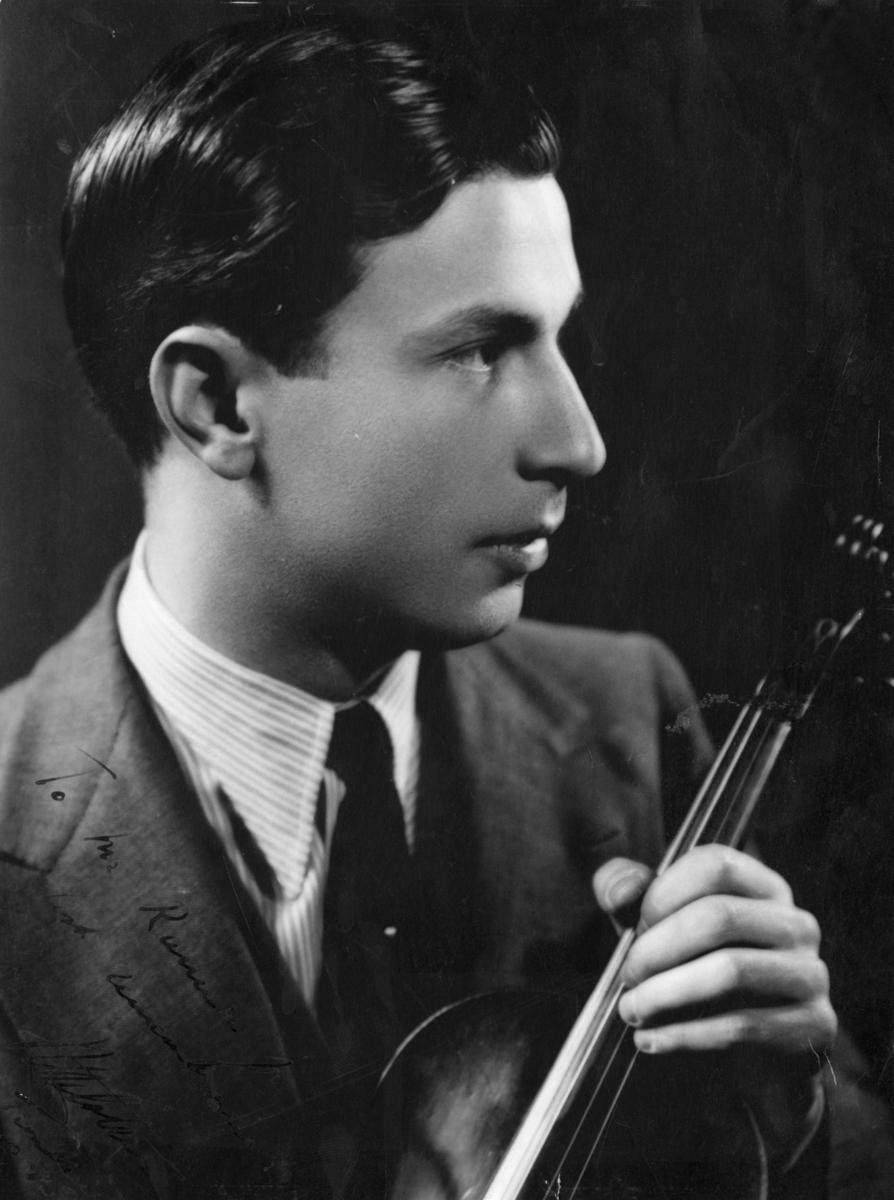
Milstein was one of the most celebrated violinists of the 20th century, beginning his studies at the age of 4. He made his public debut at age 11 and toured the Soviet Union with another artist and lifelong friend—Vladimir Horowitz. He toured Europe and the United States, making his U.S. debut in 1929. He became an American citizen in 1942.
As a violinist of the highest technical skill, Milstein had toyed with the idea of a tribute work to Paganini for some time. He desired a more personal kind of encore piece, one in which he could showcase his virtuosity and musical sensitivity in equal measure. The result was a spontaneous and virtuosic masterpiece of the highest difficulty.
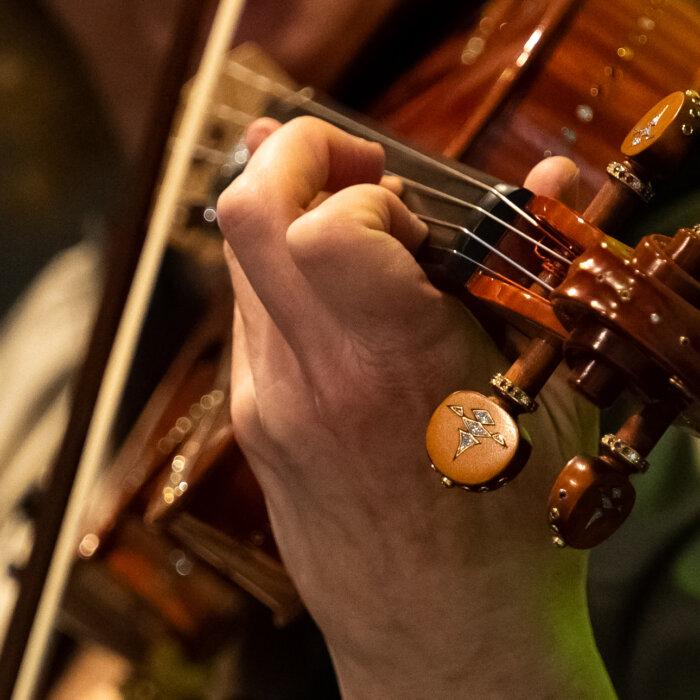
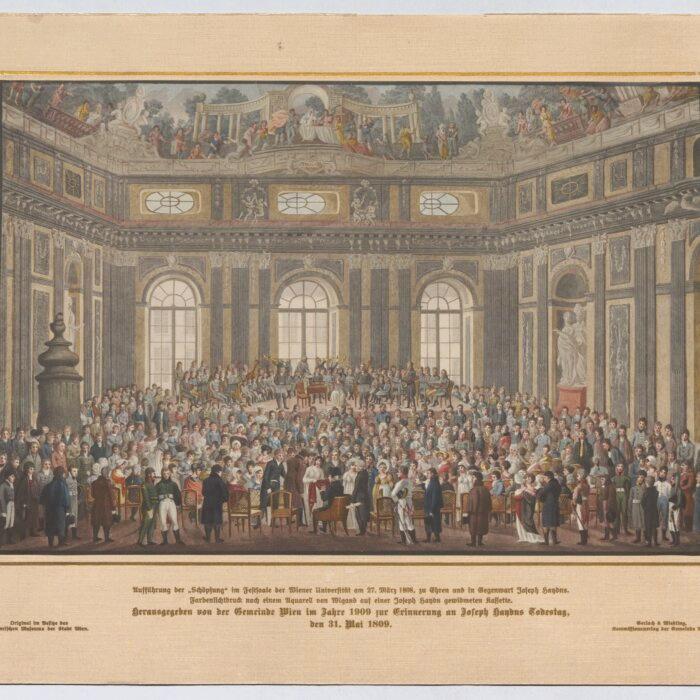
The piece begins with the theme to Paganini’s Caprice No. 24, a famous melody that has come to be associated with violinistic brilliance. The modest opening suddenly gives way at 0:31 to an extremely tricky tongue-twister of a passage, with winding and twisting finger patterns at an incredible speed.
Milstein here demonstrates the clarity and precision for which he became famous, navigating the runs with ease. The passages that follow employ chords and trills to embellish the theme, techniques for which Paganini became famous. Basically, the violinist has to accompany himself, providing the harmony by taking the role of a multitude of accompanying voices.
One of the more impressive moments comes in the middle of the seventh variation, at 4:42, labeled “liberamente.” The soloist imitates two singing lines, one on the D string and one on the G string, which seem to speak to each other as if played by two different violins. Suddenly, an impassioned burst arrives as the music shifts to a high register, followed by a cascading scale. The tension builds, before culminating in ascending scales of double-stops, playing multiple notes at the same time on the instrument. This is a bit of Milstein’s own personality shining through, paying homage to the inspiration behind the work in a manner wholly organic and unique.