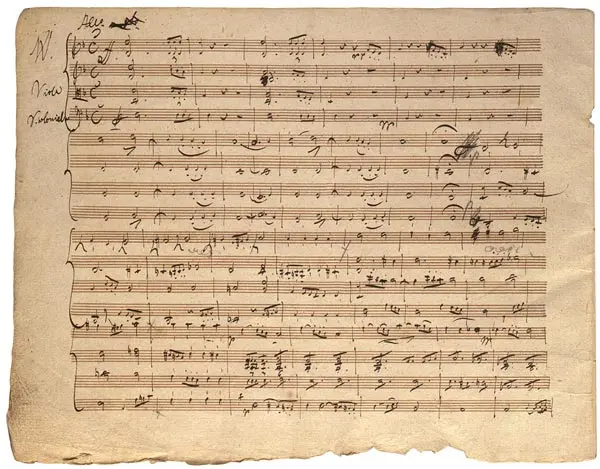
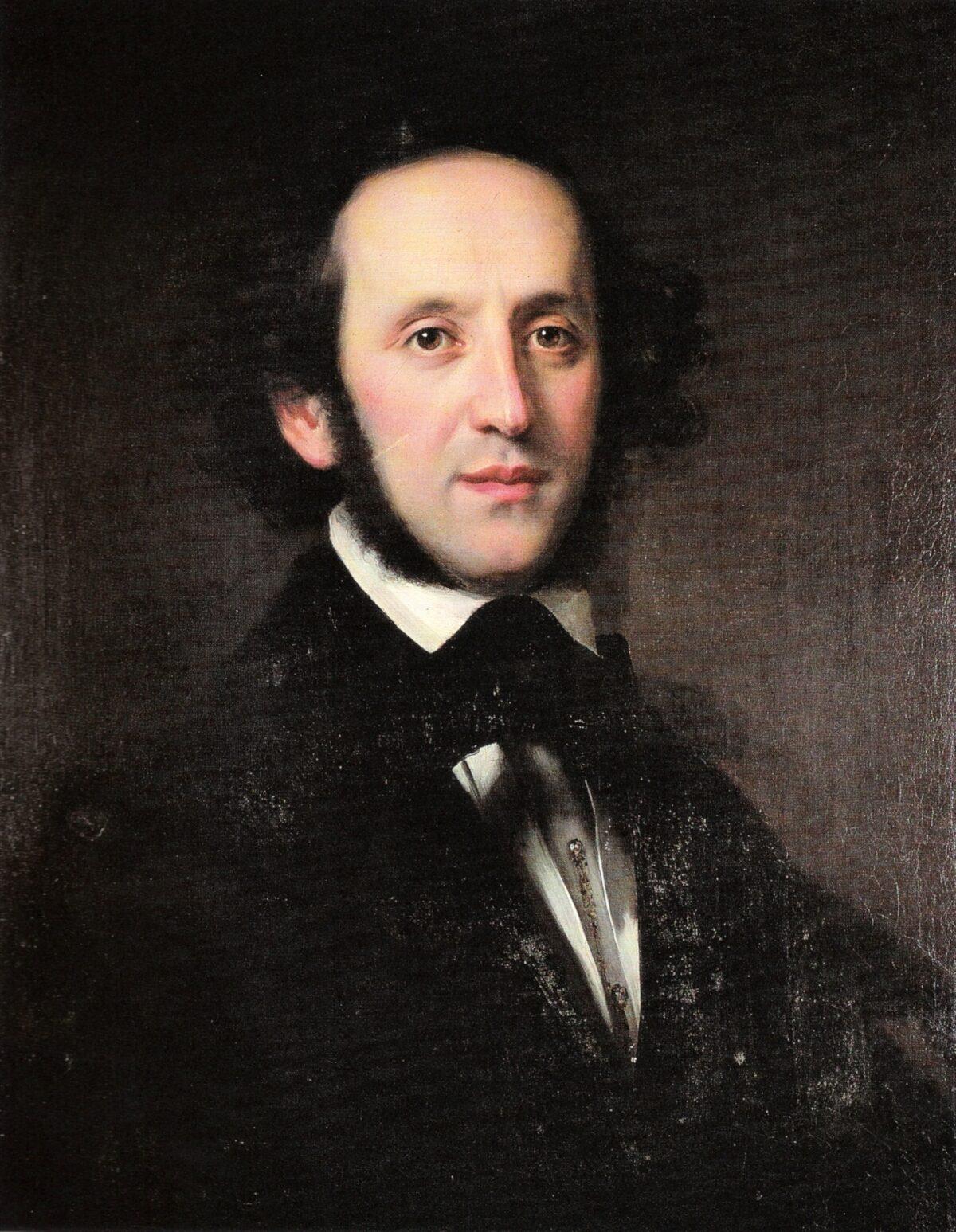
Felix Mendelssohn was horribly seasick.
Abraham, Mendelssohn’s father, wanting to send his son abroad to Europe’s musical centers, consulted trusted mentor and friend Ignaz Moscheles on the best course of action. The first stop Moscheles suggested was London, and so the young composer was sent across the English Channel to a far-off land in a rickety boat called the Attwood. It was, thus, in mid-April 1829 that Felix Mendelssohn (1809–1847) was traveling to England for a series of concerts in London.
The choice of the vessel was actually serendipitous; the boat was actually named after Thomas Attwood, a pupil of Mozart whom Mendelssohn would soon meet. Yet the voyage was fraught with misfortune. According to biographer Larry Todd, the steam packet encountered “contrary winds, impenetrable fog, and a breakdown of the engine.” Mendelssohn arrived seasick and spent, before spending the evening in borrowed attire sitting through an opera performance of “ridiculous and disagreeable” singing.
Despite a rocky start, Mendelssohn’s London trip was a great success. He made his debut conducting his Symphony No. 1 in C minor and receiving a warm welcome from London’s musical elite.
Mendelssohn also met Thomas Atwood and developed a close and fruitful relationship with the organist-composer.
Amid these circumstances, Mendelssohn composed one of his greatest works, inspired by the rugged and majestic scenery of Scotland. During a tour that took him to Edinburgh, he and his friend Karl Klingemann visited an island of myths and legends: Off Scotland’s west coast, located in the Hebrides, is the island of Staffa. Upon beholding the volcanic landscape, Mendelssohn laid eyes on the famous Fingal’s Cave, named after a Gaelic hero.


The cave of towering basalt columns is home to colonies of puffins and guillemots. Roaring gray waves crashed against the cave walls, churning white foam over the hexagonal formations. Mendelssohn was deeply inspired.
Wilfred Blunt’s “On Wings of Song” notes that in a letter sent home, Mendelssohn wrote, “In order to make you realize how extraordinarily the Hebrides have affected me, the following came into my head there.” Enclosed within was 21 bars of what would become Mendelssohn’s most popular work, Hebrides Overture op. 26, also known as “Fingal’s Cave.” Johannes Brahms praised the work, reportedly saying, “I would gladly give all I have written to have composed something like the Hebrides Overture.”
‘Fingal’s Cave’
Mendelssohn’s “Fingal’s Cave” is performed by Claudio Abaddo and the London Symphony. (Listen)Rolling strings sift and swirl, as if coming from a great distance away. Above it, the chords of the woodwinds hang like morning mist. The motif of the waves is taken over by the violins, with swells in the music repeatedly growing.
At last, the woodwinds begin to shine, with a quiet trumpet signaling a change in mood. At 1:55, the celli sing a glorious melody, stately yet wistful. The violins repeat the melody, before the orchestra unites in a triumphant fanfare.
The motif grows increasingly tumultuous, culminating in a return of the main subject. A clarinet reinstatement of the original cello melody reveals a melancholic side to the noble call.