R | 1h 38m | Dramedy | 2026
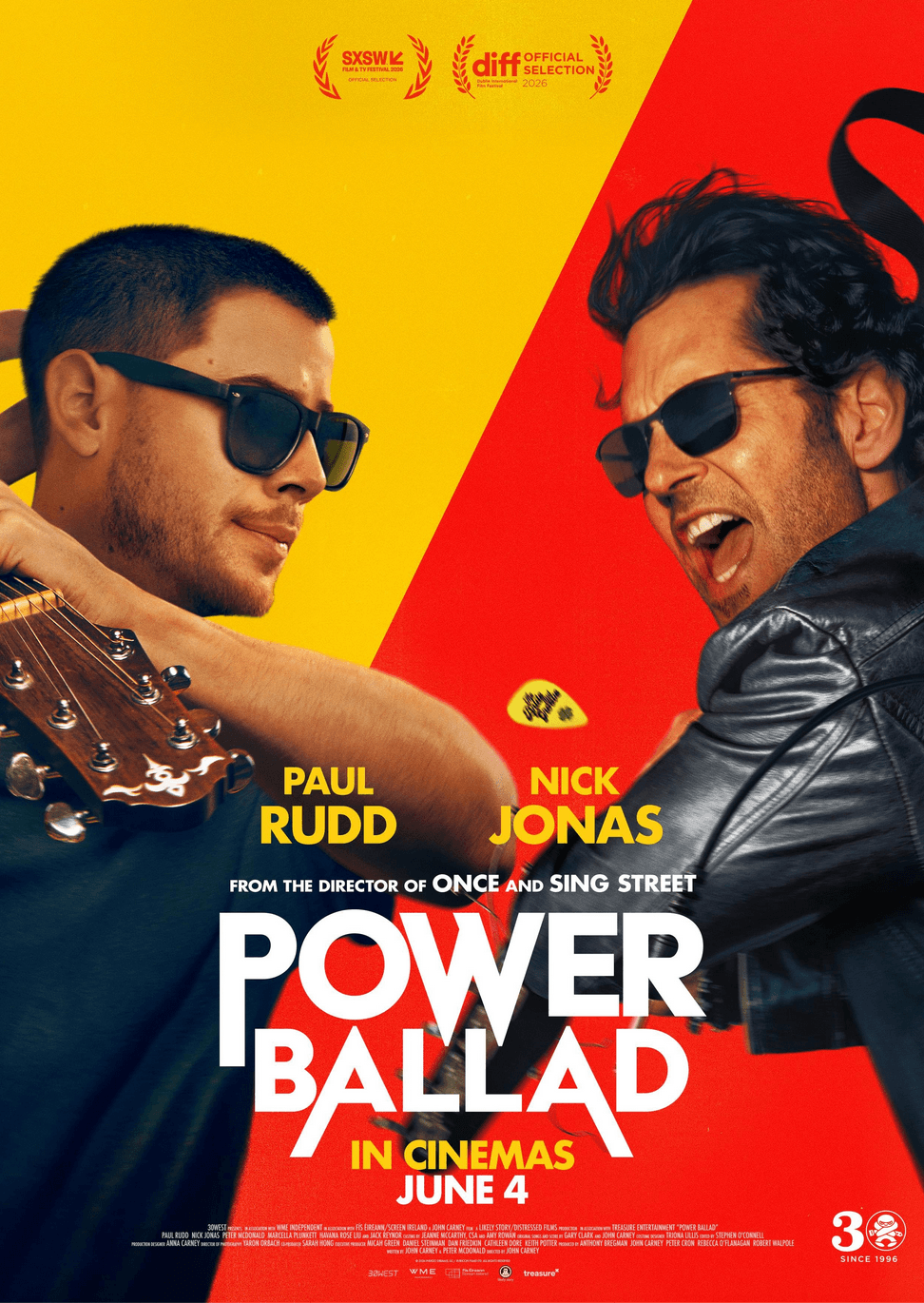
In “Power Ballad,” the heretofore ageless Paul Rudd has finally aged into his dad-prime. He plays American expatriate musician Rick Power, lead singer in a Dublin wedding band named “The Bride and the Groove.” Rudd capably does his own singing.
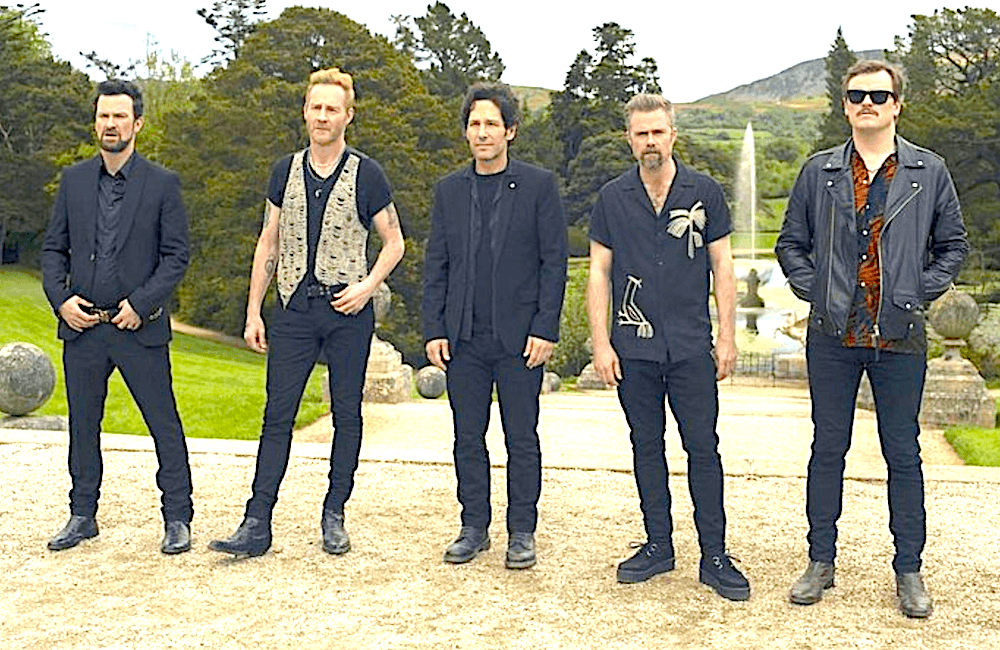
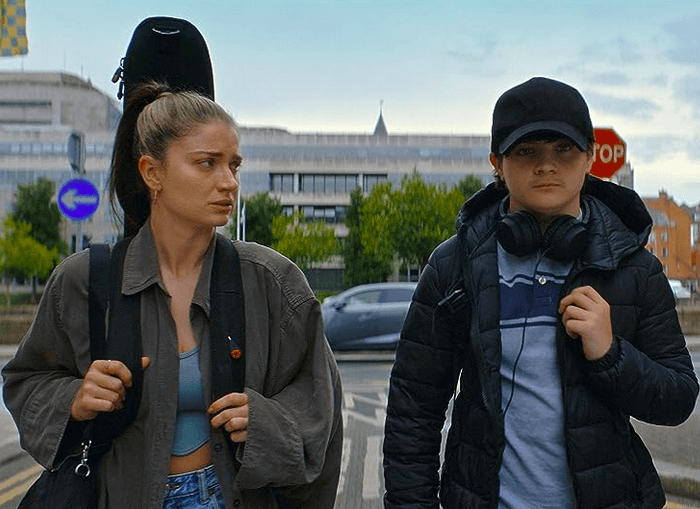
Fourteen years earlier, Rick came to Ireland in his long-haired rocker youth. He toured with his band, but gave up the rock star dream after falling for Irish lass Rachel (Marcella Plunkett) and having a daughter, who’s now a teenager (Beth Fallon).
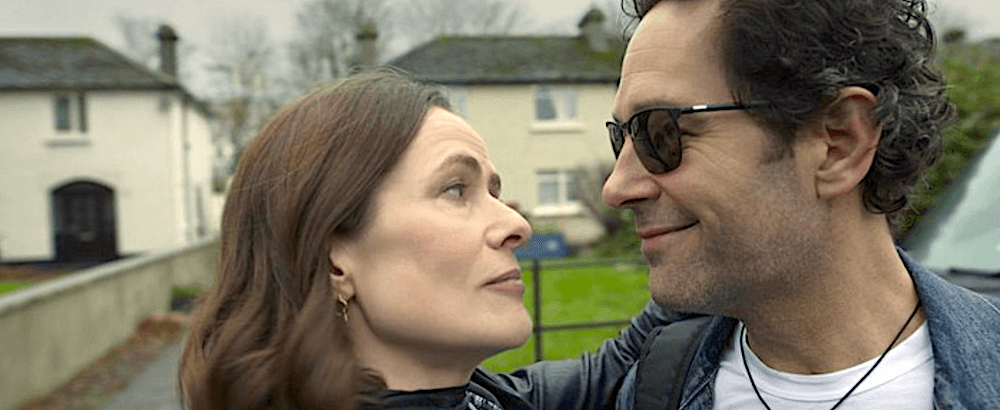
“Power Ballad” feels like the comedic cousin of “A Star Is Born” mashed together with the friendship dynamics and the gullible-bonehead brand of Rudd-centric comedies like “I Love You, Man.”
Enter Real Rock Star

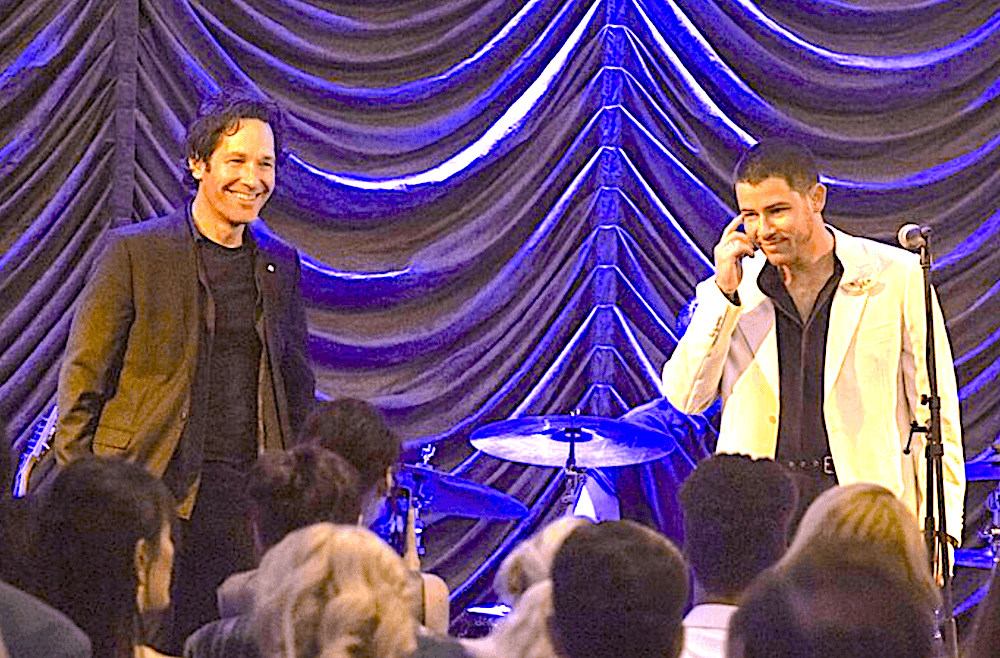
One fine wedding-gig evening, one of the wedding guests in attendance happens to be Danny Wilson (Nick Jonas, formerly of boy-band The Jonas Brothers). He’s a—what else?—fading American boy-band star.
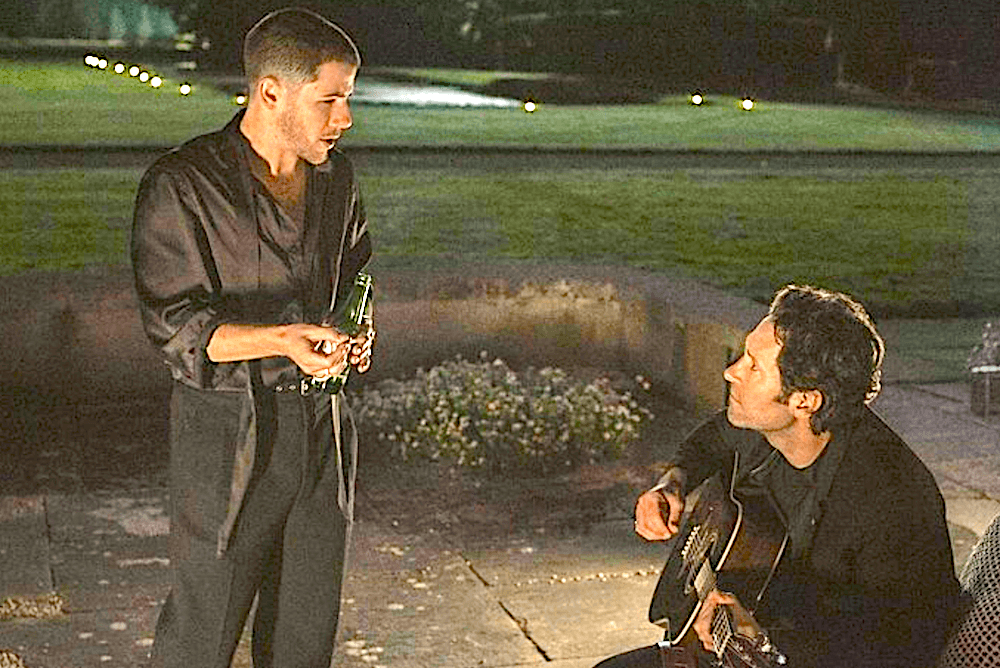
Danny’s desperately in search of re-branding relevance in the hyper-fickle music industry. Rick and Danny later serendipitously connect over music, booze, and weed, and the universal musician raison detre—staying up to the wee hours, jamming and co-creating.
However, “Power Ballad” wouldn’t have a story to tell if everything stayed all nicey-nice. After listening to Rick perform an original song called “How to Write a Song,” Danny shamelessly steals and records it as his own, catapulting himself back to the top of the charts. It’s the kind of copyright infringement nightmare that remains the only thing scarier to musicians than child prodigies.
Rick is dumbfounded at the extent of the betrayal—having his personal expression purloined and exploited for someone else’s aggrandizement.
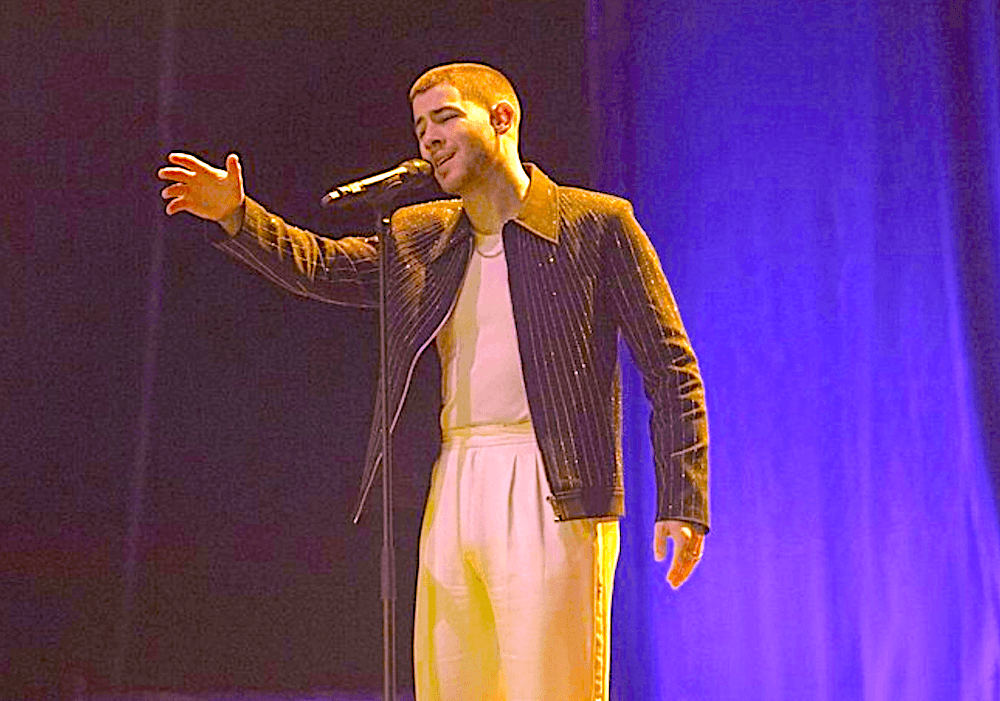
Rick’s snowballing frustration becomes the film’s emotional engine—nobody believes the song belongs to him. The legal avenues attempting to frame the situation as a breach of decency and justice lead nowhere. The more he tries to reclaim his creation, the more his life unravels. His bandmates need to remind him, “We’re not rock stars, we’re human jukeboxes.”
Conclusion
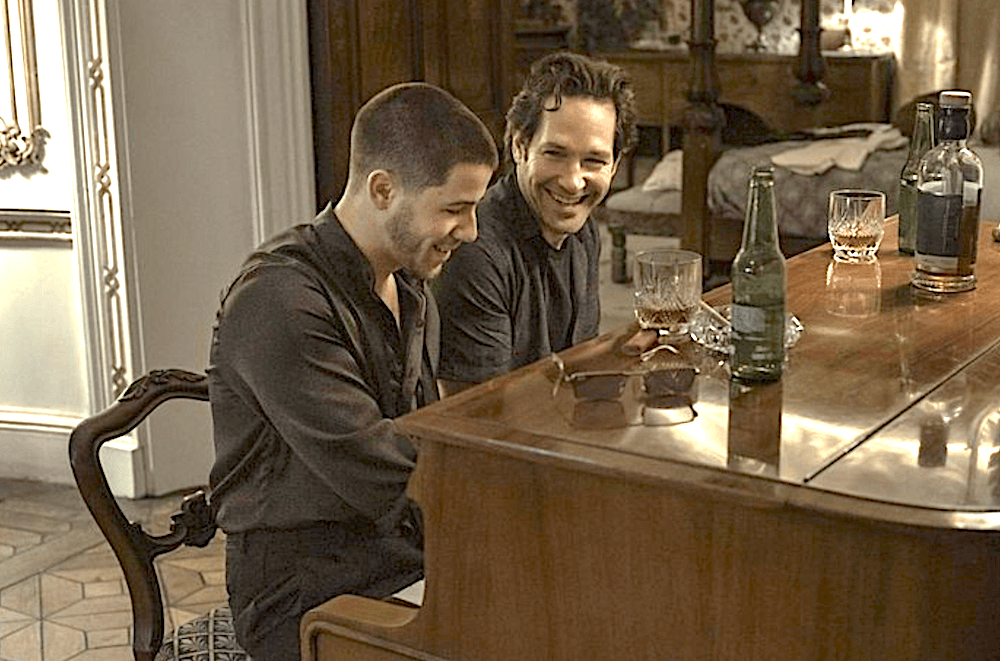
“Power Ballad” is about two musicians standing on opposite sides of the same dream. As a wannabe musician, I’m personally fascinated by the collaborative songwriting process—in films and otherwise. The exception being the Disney+ documentary, “The Beatles: Get Back”—how the perennially goofing-off Fab-Four managed to impose such effortless order on the utter chaos of their collaborative style is a frustrating miracle.I found Rick and Danny’s collaboration to be the film’s strongest sequence. Their late-night jam session feels authentic, messy, funny, surprisingly touching, and genuinely infectious.
The runner-up scene is when Rick travels across the ocean to confront Danny, who he apprehends lounging, post-concert, in a hot tub at his Hollywood Hills mansion with a couple of groupies.
Getting caught half-naked in a hot tub and having no choice but to confess your sins is a scene that would challenge any actor. Exuding an effortless, cat-like charisma, Nick Jonas aces it admirably.
“Power Ballad” is a study in humility and survival, in addition to which director John Carney—whose flash-in-the-pan Oscar-winning music film “Once” is now long-forgotten—raises big questions about ambition, recognition, and self-worth. He doesn’t offer easy answers. Instead, he leaves those answers for the audience to discover themselves.