R| 1h 53m | Comedy, Drama, Period | 2026
While modern folks are often drawn to the costumes, culture, and sophistication of Regency-era films like “Pride and Prejudice” and “Sense and Sensibility,” these stories are impeccably sanitized depictions of those times.
The Middle Ages were far worse. It was arguably Monty Python’s “Jabberwocky” (1977) that enlightened modern audiences (albeit in joking fashion) to the normally swept-under-the-rug level of sanitation and hygiene in Europe, from the Stone Age to the “Great Sanitary Awakening,” circa approximately 1830.
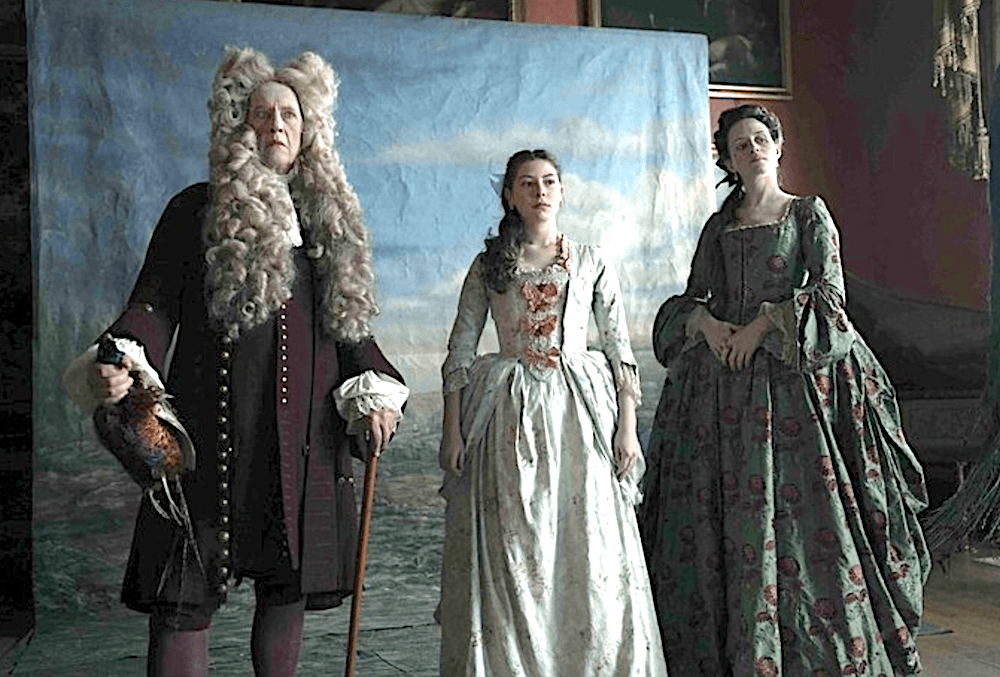
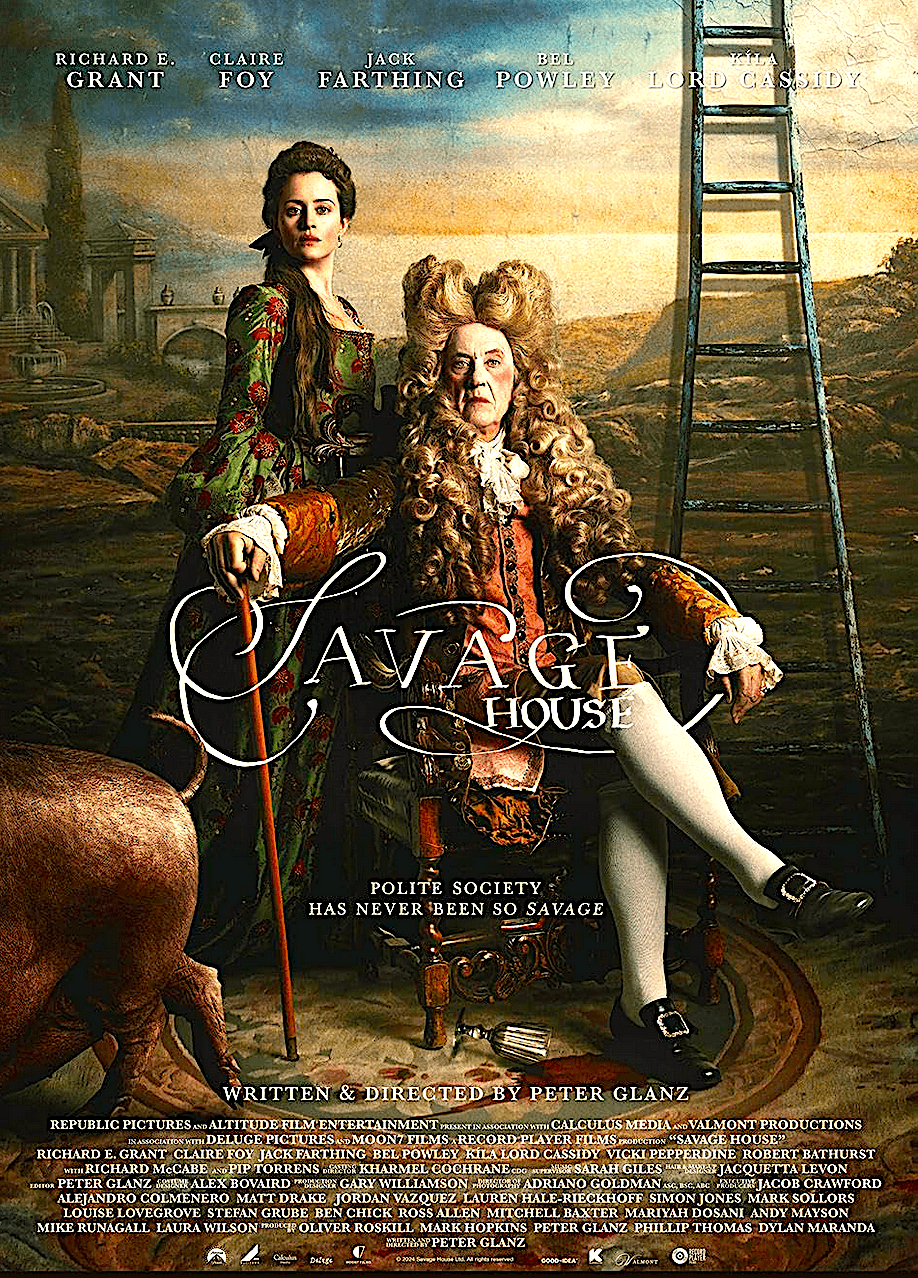
While it doesn’t have the knee-deep mud of the Middle Ages, “Savage House”—a putrid satire about shameless social climbing—nevertheless puts the filth in filthy-rich. It trades the clean period tropes of “Pride and Prejudice” for a surfeit of maggots, leeches, overflowing chamber pots, pox, black mold, gangrene, moth-eaten silks, green teeth, bloody gums, rancid wigs, oinking livestock, lechery, fornication, and, yes—plenty of mud. It’s a grim and grimy period comedy that I found too nasty to be amusing.
Living Beyond Their Means
The story unfolds in 1715 Yorkshire against the chaotic backdrop of a devastating smallpox outbreak that has left the peasants covered in festering pustules. The political unrest of the Jacobite uprising is in the air.The whiskey-fumed and fruity-toned narration (Robert Bathurst) details the fall from grace of a debt-ridden, mutually resentful aristocratic couple, who own a vast country estate. That would be the delusionally ambitious Sir Chauncey Savage (Richard E. Grant), and his sharp-tongued wife, Lady Savage (Claire Foy). They’re desperately attempting to salvage their social status.
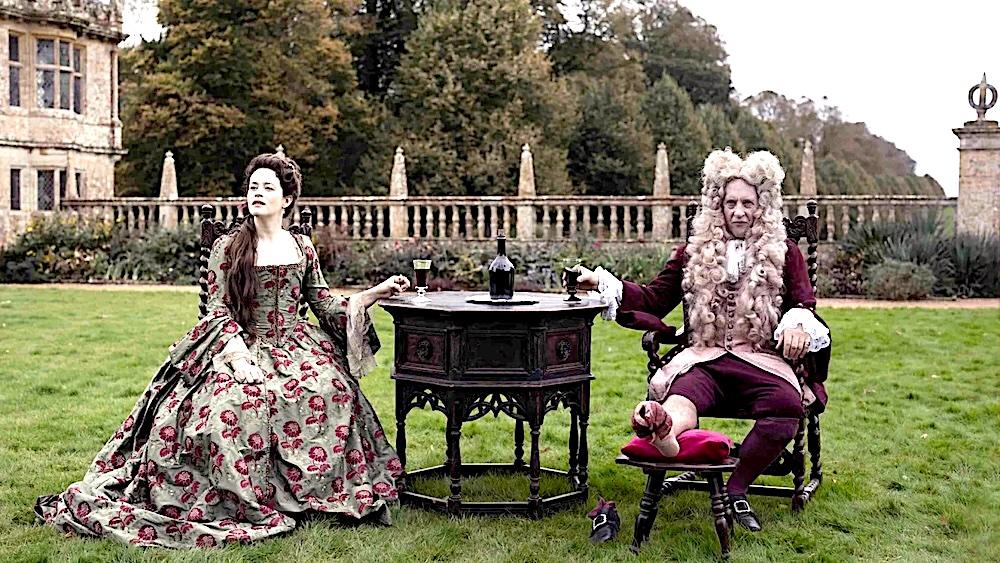
Former stable-hand Chauncey is a low-born rake with nary a drop of blue blood in his veins. He married into the landed gentry of his wife’s family for their money and status. Now, due to his irresponsible spending, he’s plunged the couple into debt and left their legacy in ruins. All they have left are their similarly hideous neighbors, the Bennetts (Richard McCabe and Vicki Pepperdine), to socialize with.
The Duke and Duchess Shall Pay a Visit
Sir and Lady Savage eventually receive a missive from the high-ranking Duke and Duchess of Devonshire, who intend to stay at their crumbling mansion (Savage House) for an upcoming dinner. Local unrest has made their original travel plans unsafe. Here’s the pair’s opportunity to avoid debtor’s prison and boost their social standing by basking in the reflected glory of their illustrious visitors. Or die trying.The couple prepare frantically, pawning precious family heirlooms, diamond rings, and borrowing a ridiculous amount of money from vengeful creditor Mr. Black (Pip Torrens) to buy new outfits, hire temporary help, and polish their silver.

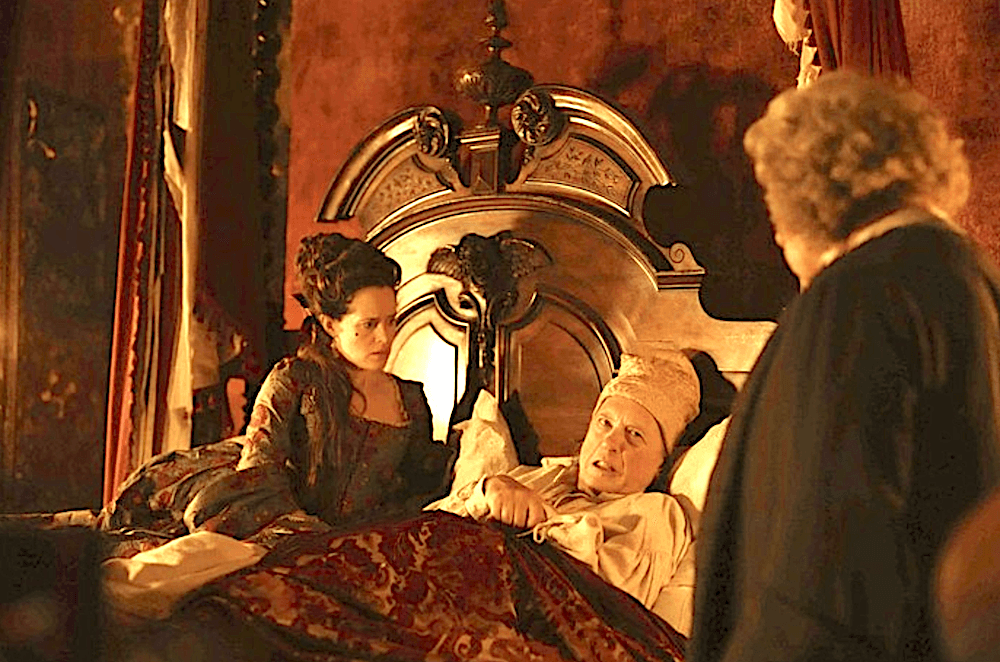
As the 10-day countdown to the dinner party ticks down, everything goes spectacularly wrong. Sir Chauncey ignores his doctor’s orders for treating a gangrenous case of gout, and continues to guzzle wine, and local invitees reject party invitations out of pox-induced panic.
Shock Value
A story about Machiavellian treachery, class revenge, revolutionary politics, and the manic energy of encroaching madness, “Savage House” is a fairly obvious Barbarians-at-the-gate satire that leads to a fairly mundane non-ending.“Savage House” has little new to say about class and social mobility. The grotesque shock-value lengths that people go to in order to elevate their status quickly starts to feel like a desperate-to-be-outrageous distraction.