I think that I shall never see A poem lovely as a tree.
A tree whose hungry mouth is prest Against the earth’s sweet flowing breast;
A tree that looks at God all day, And lifts her leafy arms to pray;
A tree that may in Summer wear A nest of robins in her hair;
Upon whose bosom snow has lain; Who intimately lives with rain.
Poems are made by fools like me, But only God can make a tree.
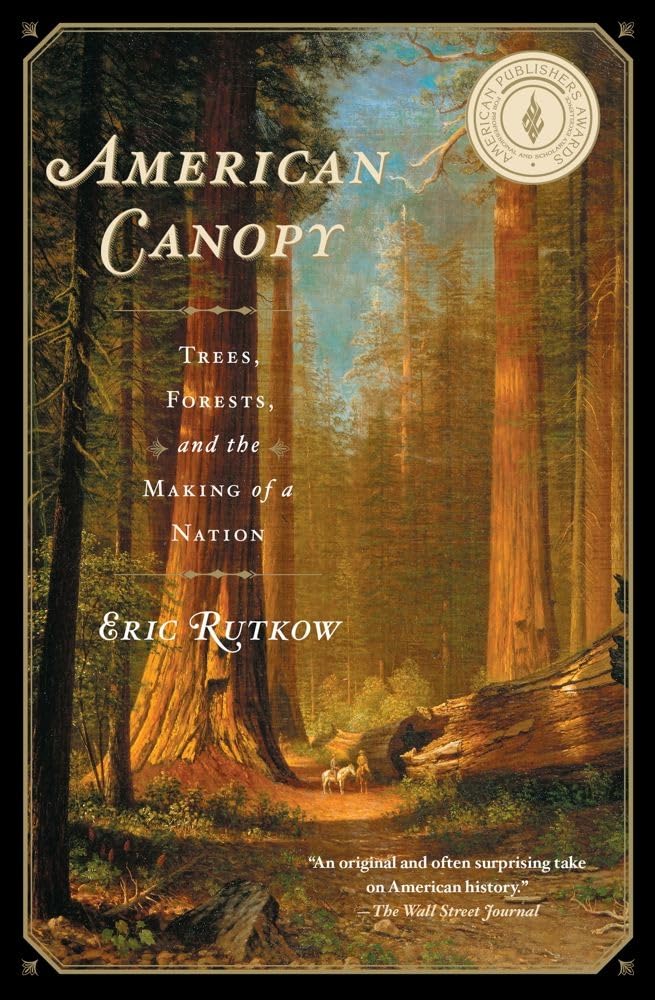
In his book “American Canopy: Trees, Forests, and the Making of a Nation,” Eric Rutkow hopes readers will recognize the magnitude and majesty of trees in America. He takes readers on a historical walk in the woods, starting with the discovery of this country through the American Revolution, and ending with “The Environmental Era,” as he titled his last chapter.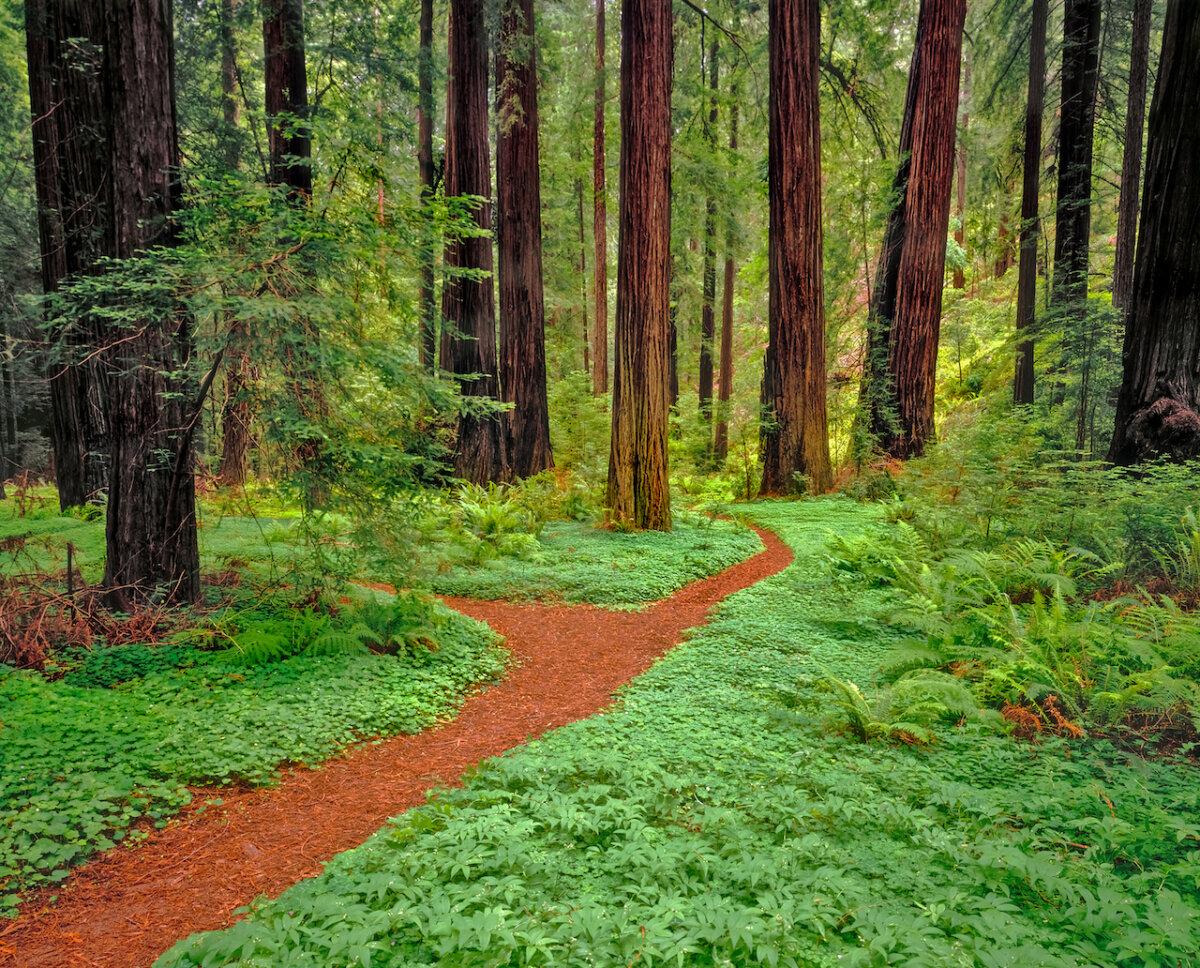
“How easy it is to forget that much of American history has been defined by trees,” wrote Rutkow, a Yale University and Harvard Law School graduate who has worked as an attorney on environmental issues.
He noted that Giovanni da Verrazzano (for whom a New York City bridge is named), was one of the first explorers to write a detailed account of his journey to North America. Giovanni wrote: “The wooddes [were] so greate and thicke that an armye ... mighte have hydd it selfe therein.”
Through interesting historical details, “American Canopy” conveys how thinking about trees has evolved—from seeing them as an obstacle to a resource and to viewing them as something to preserve.
“We started as a people who saw tree clearing as a key to our survival and expansion. ... We developed an American society through the beneficence of these trees, their wood the foundation of our industrial economy and our domestic life.”


In the book’s epilogue, the author wraps up by driving home his thesis: “Our trees are living history. In writing ‘American Canopy,’ I have attempted to make the nation’s treescape more legible, to show how these trees shaped our society and how we shaped them in turn.”
Reading “American Canopy” should enhance appreciation of trees, whether in yards, parks, or woodlands—but it should also motivate readers to cherish them when they take their next forest stroll.