The living history town of Boston, Ohio sits on the banks of the Cuyahoga River. It’s preserved by the National Park Service (NPS) and is a trailhead for the Towpath Trail. It’s just one of 50 of the Towpath Trail’s trailheads along the Ohio & Erie Canal. It’s also one of 10 trailheads or information spots located within the boundaries of Cuyahoga Valley National Park.
Following the route of the historic and monumentally important Ohio & Erie Canal, the Towpath Trail gives users a lesson in early-19th and early-20th century American history.
Until the early 19th century, overland travel was arduous. Moving commercial and retail goods from established markets in Pennsylvania and New York to midwestern territories was a long, difficult journey. Farmers in places like Ohio had difficulty transporting their crops and livestock to eastern cities to sell.
Some of the Founding Fathers, particularly George Washington and Thomas Jefferson, tossed around the idea of a canal system through which goods could travel safely and efficiently. In the early 19th century, the idea became a reality. From 1817 to 1825, the 363-mile Erie Canal was constructed. It runs from Albany to Buffalo, New York. The Ohio portion was added between 1825 and 1832. It connected the Ohio River at Portsmouth and Lake Erie at Cleveland.
Considered an engineering feat of colossal proportions, the original canal was a 4-foot-deep by 40-feet-wide waterway built using manual and animal labor and primarily hand tools. A series of locks, lift bridges, and dams were built across vastly different topography. The canal passed through wide fields, dense forests, and deep swamps, as well as over steep hills and rocky cliffs.
Along the canal system, towns sprang up and prospered, and territories were settled. Companies thrived and income opportunities for farmers increased, because goods as well as passengers could move up and down the Ohio & Erie Canal. Countless men and women, including famous people, like Ohio-native and 20th U.S. president James Garfield, were employed in some way on the canal; as a teenager, he drove mules pulling barges.
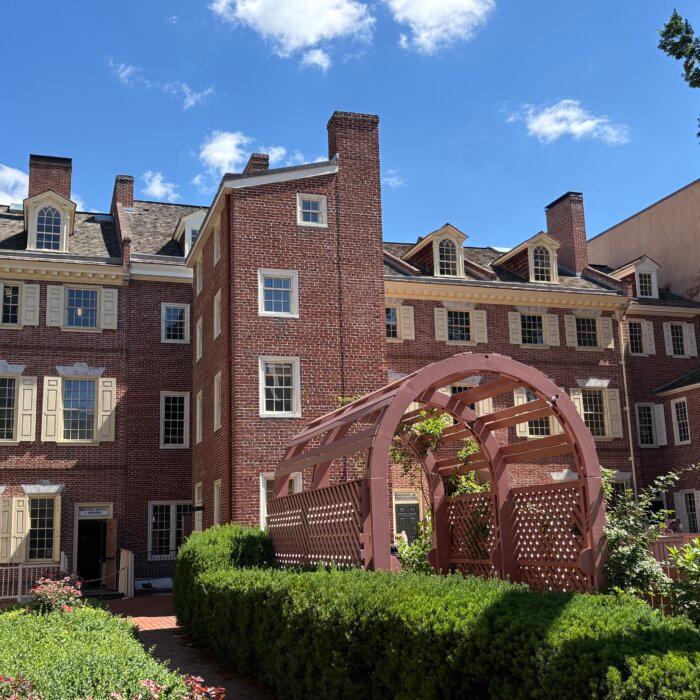
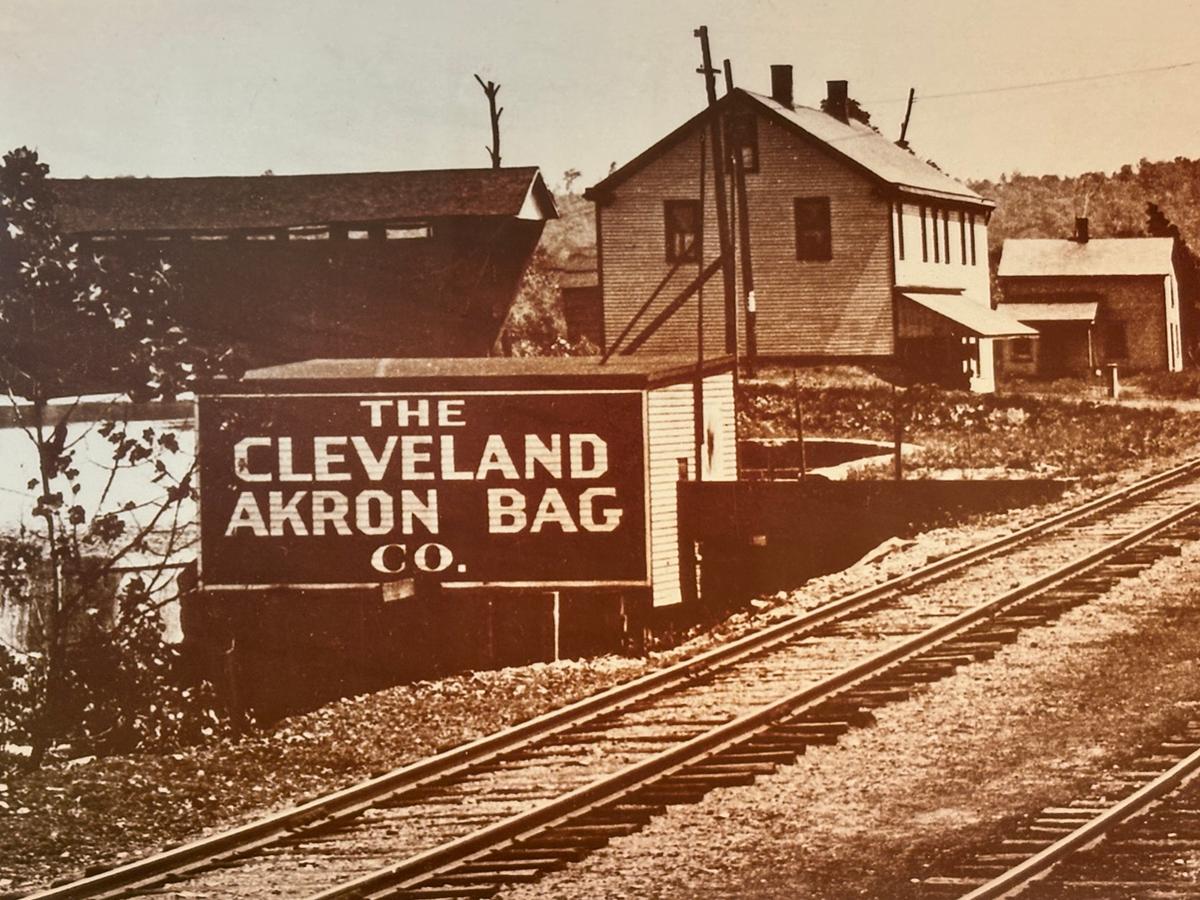
One town that boomed after the canal opened was Boston, Ohio. Boatyards and businesses there served canal traffic carrying goods up and down the canal.
A Greener, Calmer Boston
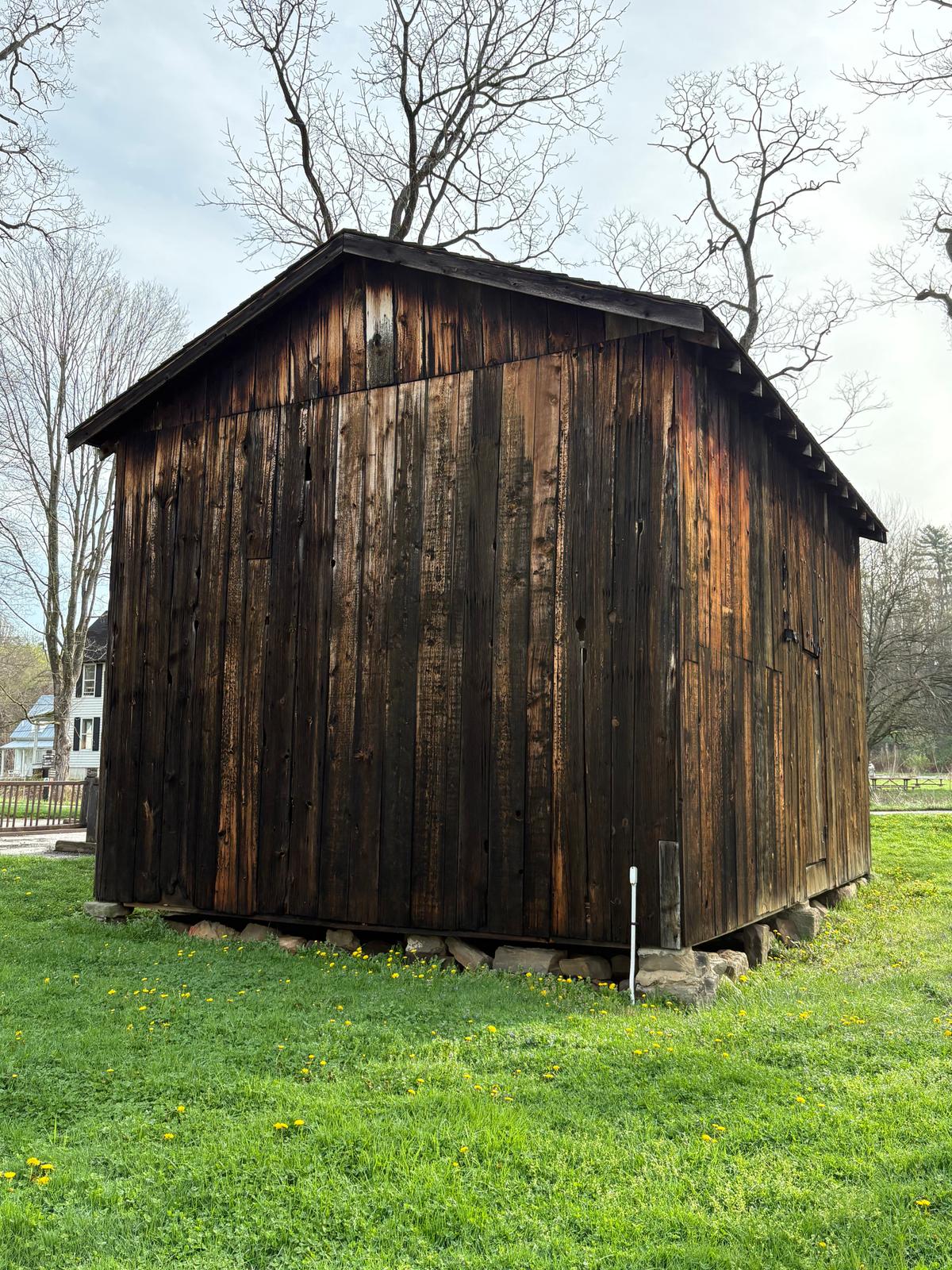
Any visitors to Boston can not only enjoy Cuyahoga Valley National Park, but also traverse the Towpath Trail. On it, visitors will find restored historic structures and an early 1900s NPS photograph on signage showing the thriving community. The Boston Mill General Store is now the Boston Mill Visitor Center. Where the barns for the store once stood is now a pavilion.Within sight of the town’s buildings is the Cuyahoga River and the remnants of the canal that ran beside it. In 1913, a catastrophic flood washed away riverbanks and destroyed the locks. With increased railroad service already replacing much of the canal business in Ohio, the canal through Boston and along what is now the Towpath Trail became a thing of the past.
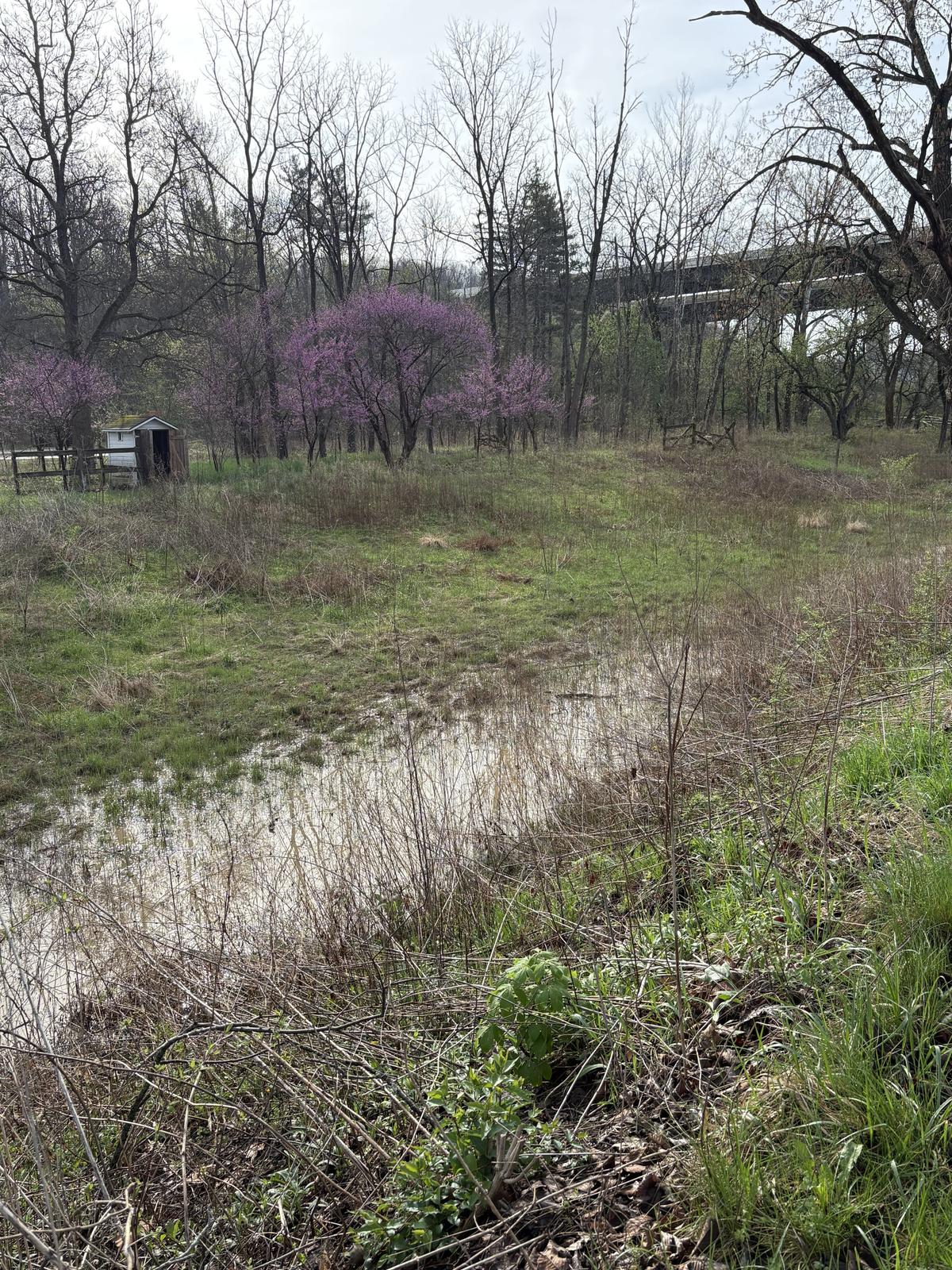
New York’s canal system is still in operation, but anyone who takes the Towpath Trail will only glimpse in spots what used to be a wide waterway. However, by stopping and reading signs, popping into visitor centers and museums, and looking for any evidence of the canal—such as the watery depression in the earth at the Boston, Ohio, trailhead—partakers can imagine the once-bustling transportation route.
The 93-mile trail follows the path worn down over decades by mule teams pulling boats and barges by long ropes. Parts of the Towpath Trail are still hard-packed earth, but other sections have been paved.
On the Towpath Trail, visitors can cross historic bridges, visit old towns like Boston, Ohio, and enjoy natural landscapes with birds and native plant life.
On the Ohio & Erie Canal Towpath Trail website, the NPS provides a complete map of the trail’s route. Furthermore, Boston is a stop for the seasonal Cuyahoga Valley Scenic Railroad one-way shuttle service. It returns walkers, cyclists, and joggers to their starting trailhead if they don’t want to return via the Towpath Trail.