Whether visitors are full-fledged history nerds or simply patriotic tourists, the 2 1/2-mile Freedom Trail is a must-do activity in Boston.
People have been drawn to the city for the past 250 years, since it became the hub of patriotic activity. In 1951, concerned citizens spearheaded a city-wide effort to preserve Independence-related structures. It culminated in the creation of a red-line-marked trail from Bunker Hill in Charlestown to Boston Common, the city’s downtown park. The path leads to 16 nationally significant historic sites, including churches, meeting houses, cemeteries, and a ship. Museums are also located along the Freedom Trail.
Boston’s then-mayor John B. Hynes dedicated the trail on June 11, 1951. He anticipated that it would be popular. In the dedication, he said: “[The] Freedom Trail should prove itself to be of considerable convenience to the many thousands of persons who come here annually from all sections of the nation to visit our most renowned historic sites.”
By 1953, the free Freedom Trail was attracting tens of thousands of people annually. Currently, it is traversed by 4 million people each year.
The official website offers free sample itineraries, as well as maps and informational brochures. Participants will visit notable sites they may remember from high school American history classes, such as the Old State House, Faneuil Hall, the Paul Revere House, and the Old North Church.
The Freedom Trail is also a living-history-type experience. When on Copp’s Hill, walkers can consider how the British used the high vantage point to fire cannons on Charlestown during the Battle of Bunker Hill in 1775. Signage and in-depth tours are available at many of the sites along the Freedom Trail. Knowledgeable docents bring to life such spots as the Old North Church bell tower and Old South Meeting House. Whatever the location, they provide details of which American Founders figured prominently in the stories of these historic structures.

The trail’s points of interest are both in- and out-of-doors. On a rainy or cold day, individuals can spend little time outdoors and sample only a little of the trail. Plenty of rest stops exist along the way, including coffee shops, bars, cafes, and restaurants. Only comfortable shoes, a water bottle, and a camera are needed on the trail.
The Freedom Trail is an experience that lets participants truly take in the past and the present of one of America’s most historically significant cities.
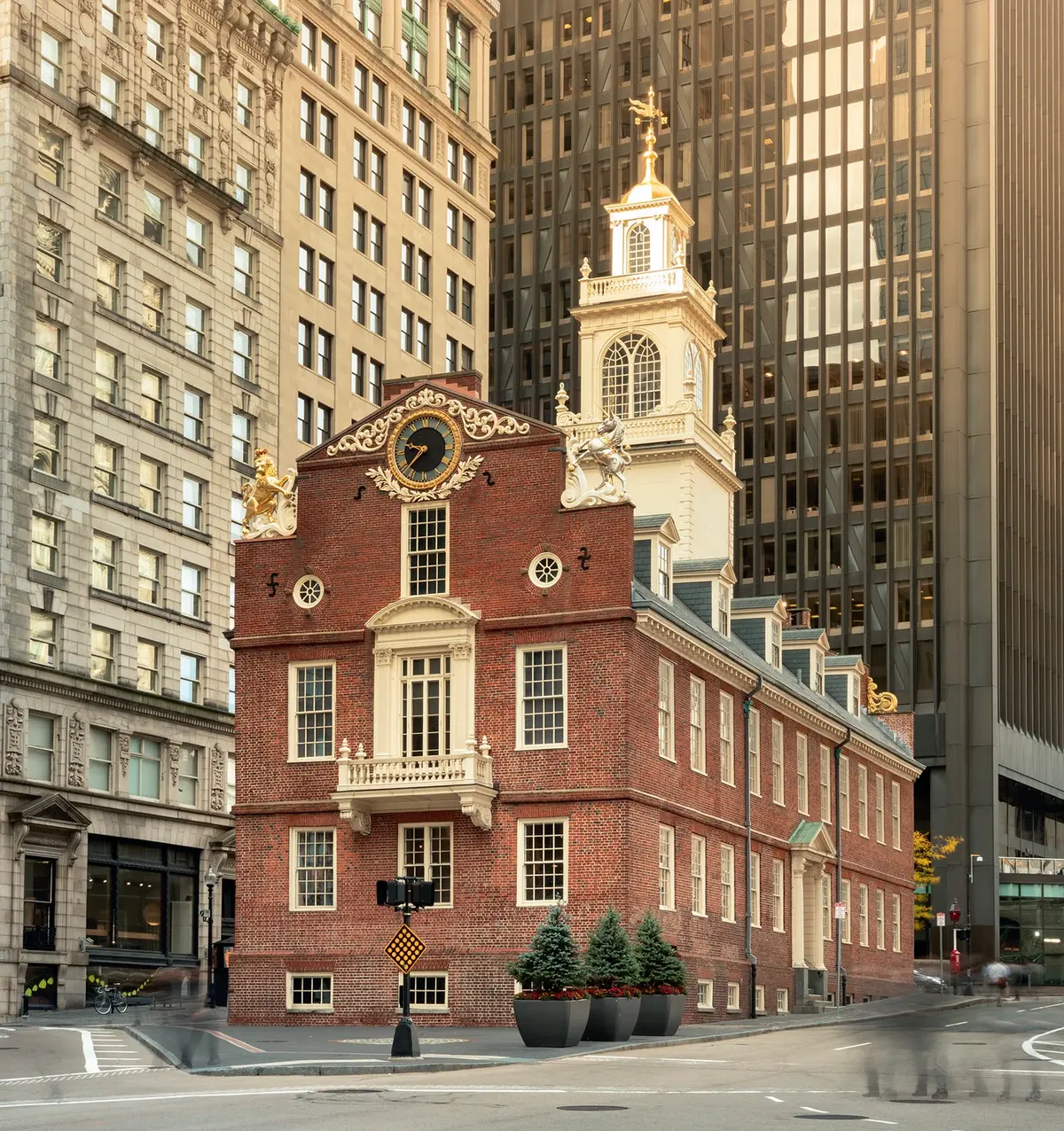
Located along the Boston Freedom Trail, the Old State House bore witness to the 1770 Boston Massacre. A cobblestone memorial marker, surrounded by a brass ring with stars, is embedded in the pavement to the building’s east side. On July 18, 1776, the Declaration of Independence was read aloud to Bostonians from the balcony of the building. Pgiam/Getty Images
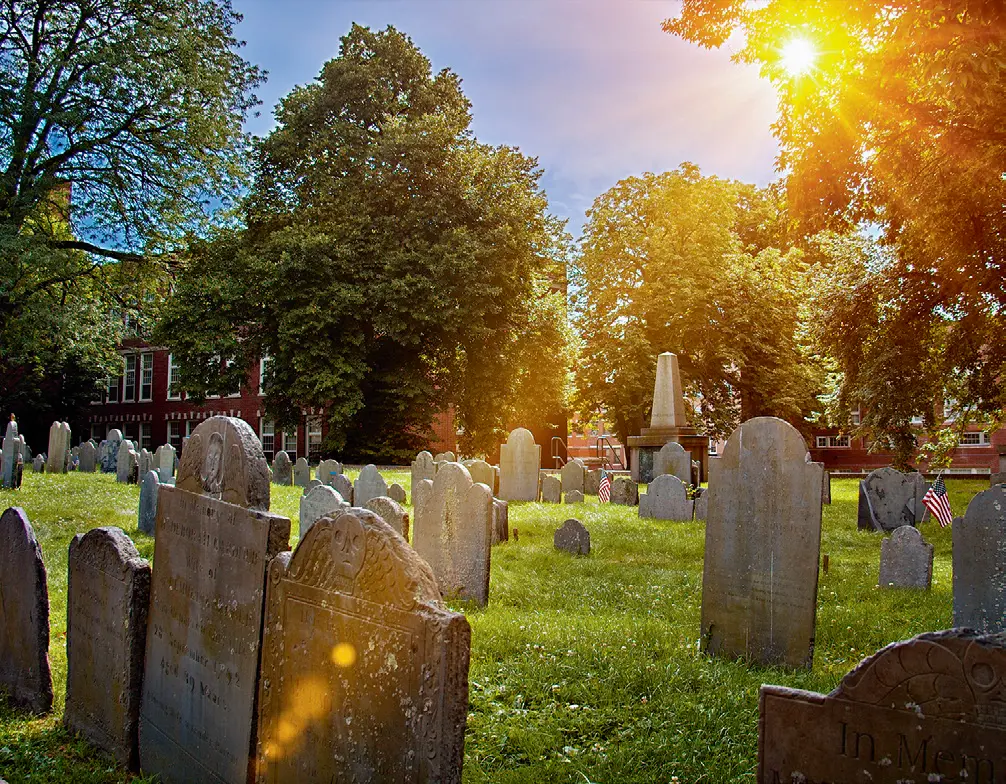
One of three prominent cemeteries on the trail, Copp’s Hill is where the famous Salem witch trials’ Puritan ministers Cotton and Increase Mather are buried. This site is also where Old North Church sexton Robert Newman and John Pulling Jr. are laid to rest; both men helped hang the lanterns on the night of Paul Revere’s midnight ride. Andrey Denisyuk/Getty Images
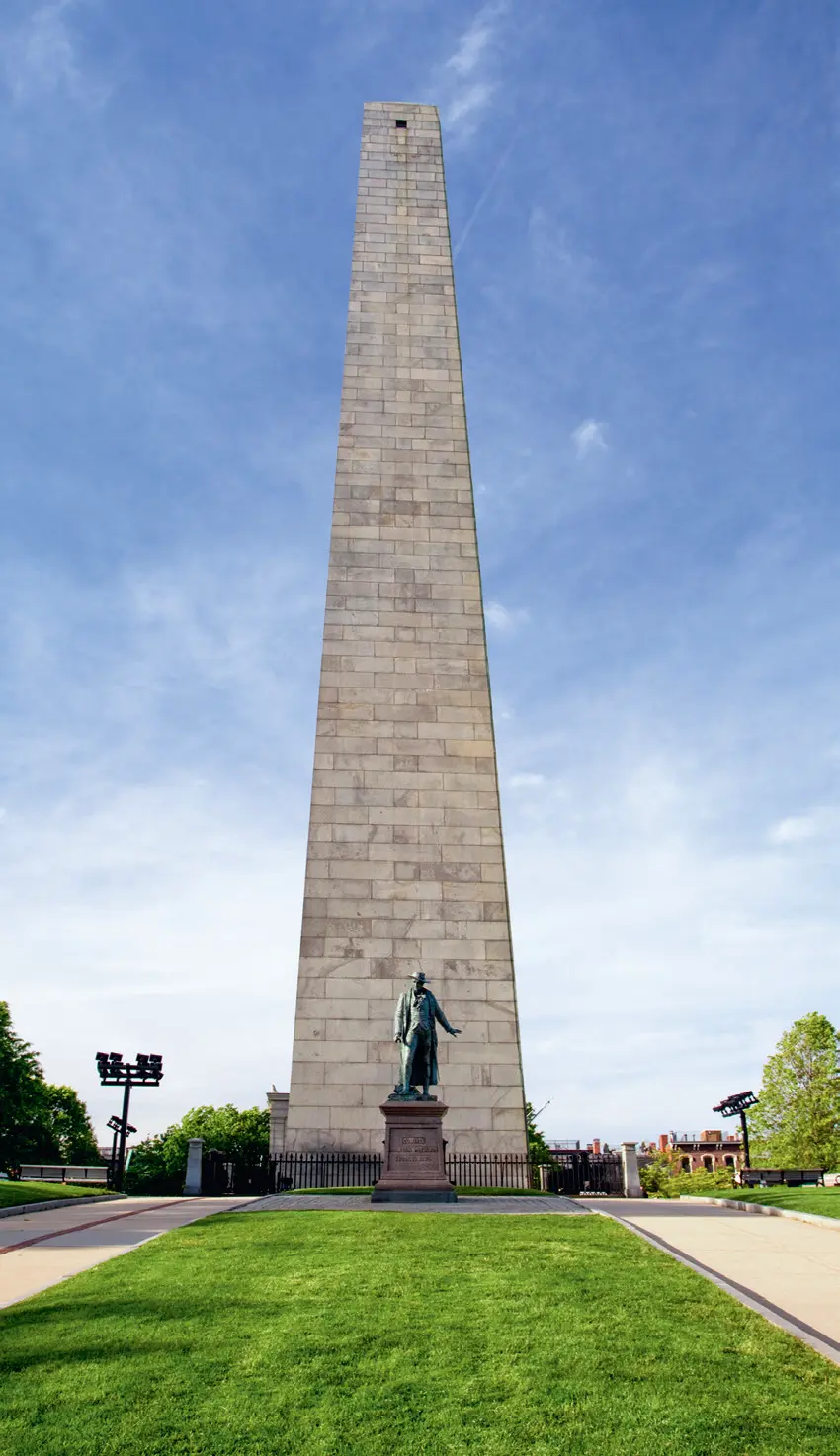
The 221-foot granite obelisk that memorializes the Battle of Bunker Hill is located at the northern end of the Freedom Trail. After gazing up at the tall monument, visitors can look out over Boston Harbor and the city skyline and reflect on what it might have been like for citizens during that momentous June 17, 1775, battle. Pgiam/Getty Images
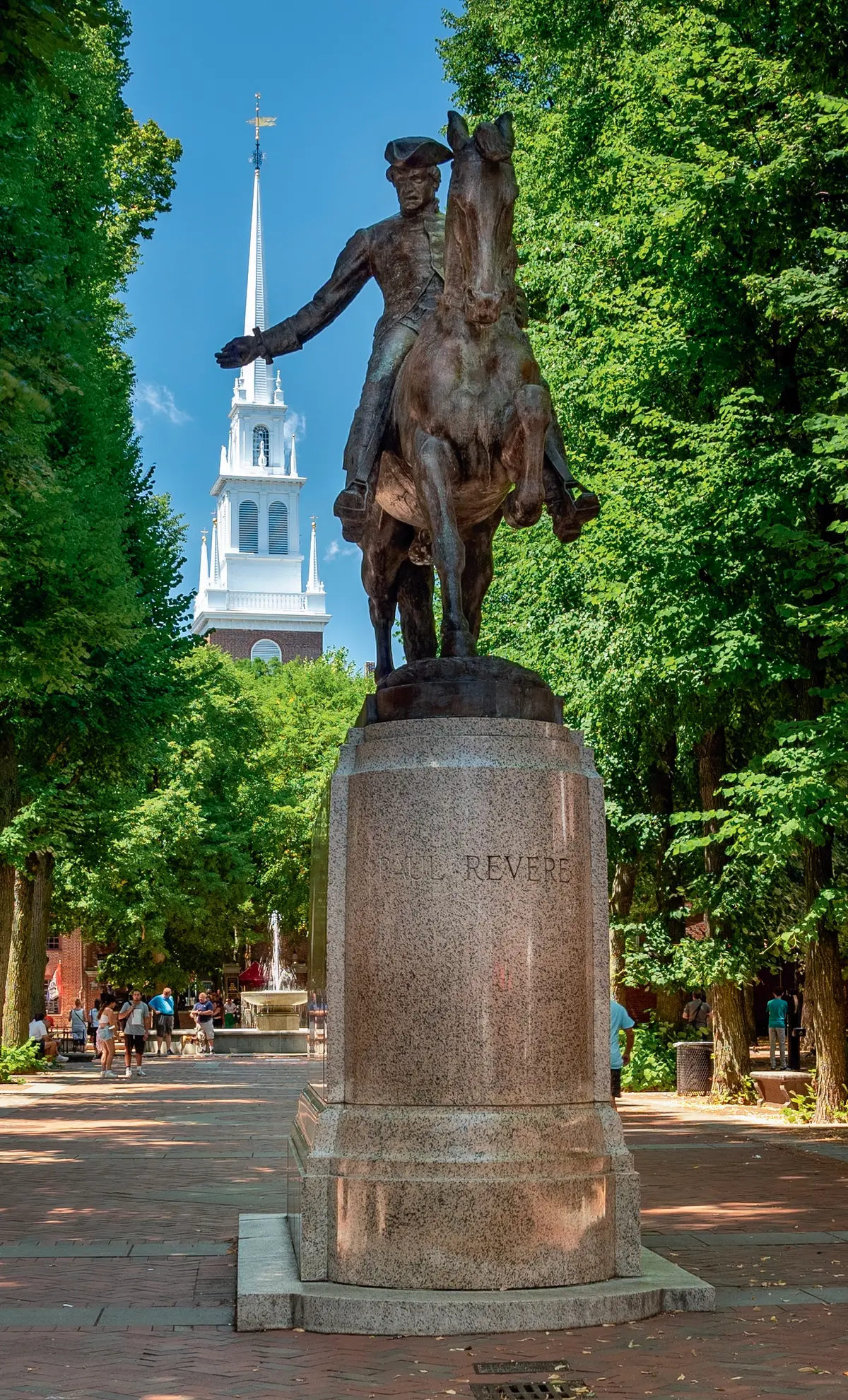
Built 52 years before Paul Revere made his famous midnight ride through the night to warn the Patriots that the British were advancing, Old North Church is one of the main sites on the Freedom Trail. It’s open to the public for self-guided and guided tours. The famous church, made even more famous by Henry Wadsworth Longfellow’s poem “Paul Revere’s Ride,” overshadows a bronze statue featuring the likeness of the noteworthy patriot. Pgiam/Getty Images
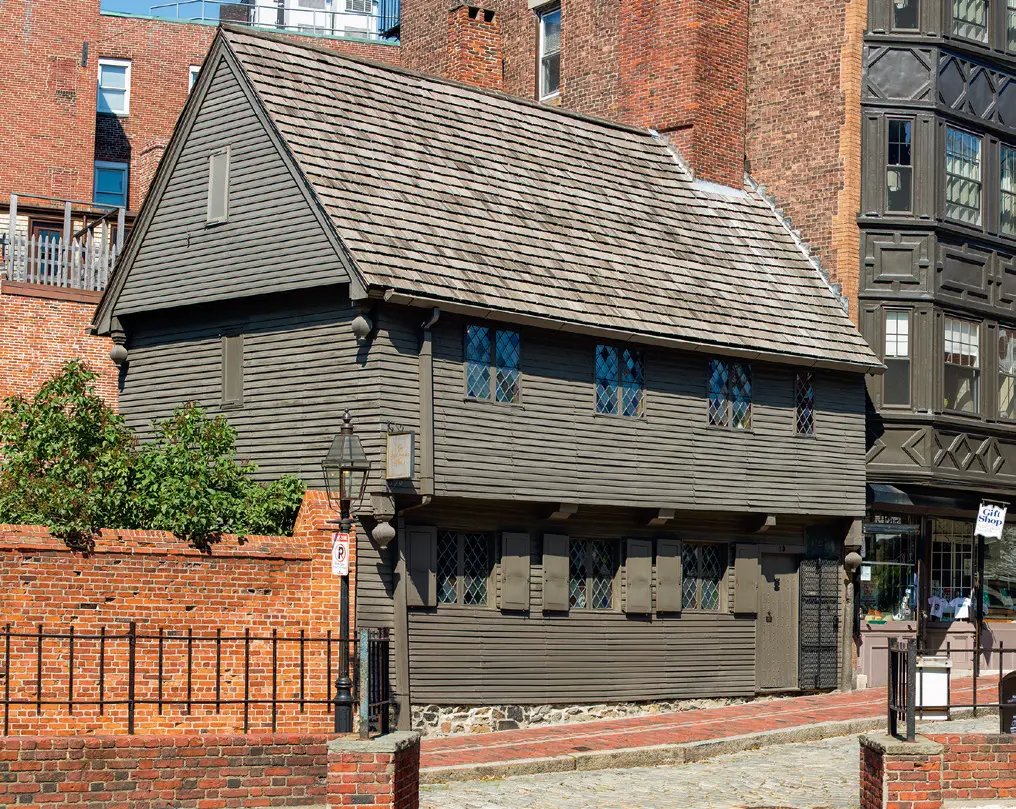
An impressive living history site on the trail is the long-preserved home that Paul Revere owned from 1770 to 1800. While inside, one can truly grasp the fact that it’s the oldest remaining structure in downtown Boston. Furnished with authentic 18th-century period pieces and located beside a cobblestone street, the house is easy to envision with the famous silversmith, patriot, and rider living there with his family. Marcio Jose Bastos Silva/Shutterstock