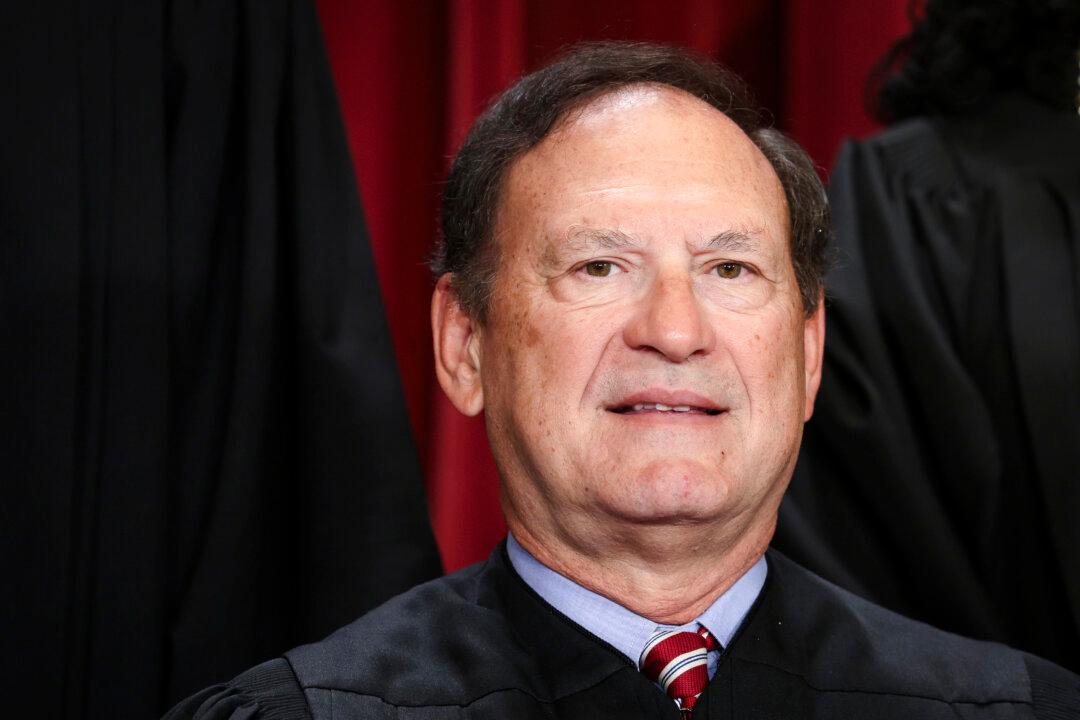
His comment comes after NPR retracted a June report that incorrectly stated that the 76-year-old justice was retiring.
One case tests whether federal law bars some state climate lawsuits; the other, whether prolonged immigration detention requires a bond hearing.
Justice Sonia Sotomayor cleared the way for American terrorism victims to collect damages from attacks in Israel.
Florida and 11 other states say the challenge to the order by Democrat-led states is premature and lacks legal standing.
In the new petition, the Justice Department argues Trump’s 2019 White House statements denying the allegations were official acts protected by federal law.
Under Supreme Court rules, the federal government had until July 27 to seek rehearing or an extension of time to file a petition.
The emergency application comes after a federal appeals court held that the president’s executive order would confuse and possibly disenfranchise voters.
The Supreme Court has ruled in favor of the Trump administration in many of the cases brought before the court during the president’s second term.
An Alaska bush pilot’s 14-year odyssey over civil forfeiture reaches the nation’s highest court.
The Public Interest Legal Foundation alleged that the state’s refusal to produce records violates federal law.

An important campaign finance decision came after a landmark race and redistricting ruling.
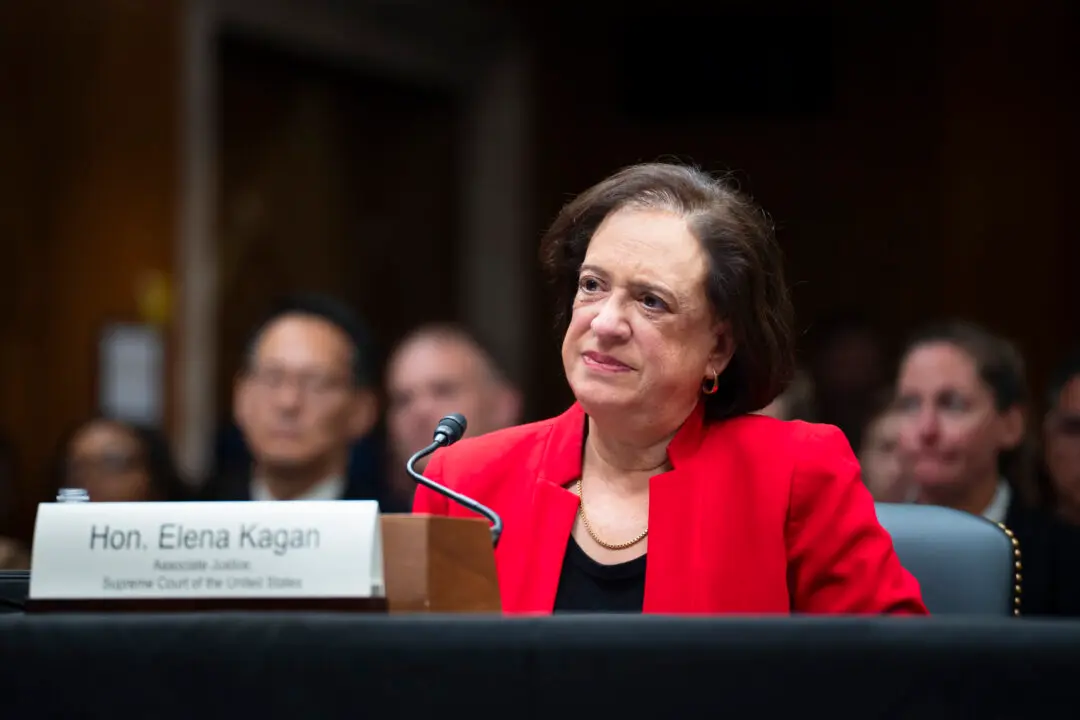
This was the first time in seven years that any justice had testified before a congressional committee. Two justices testified for increased security funding.
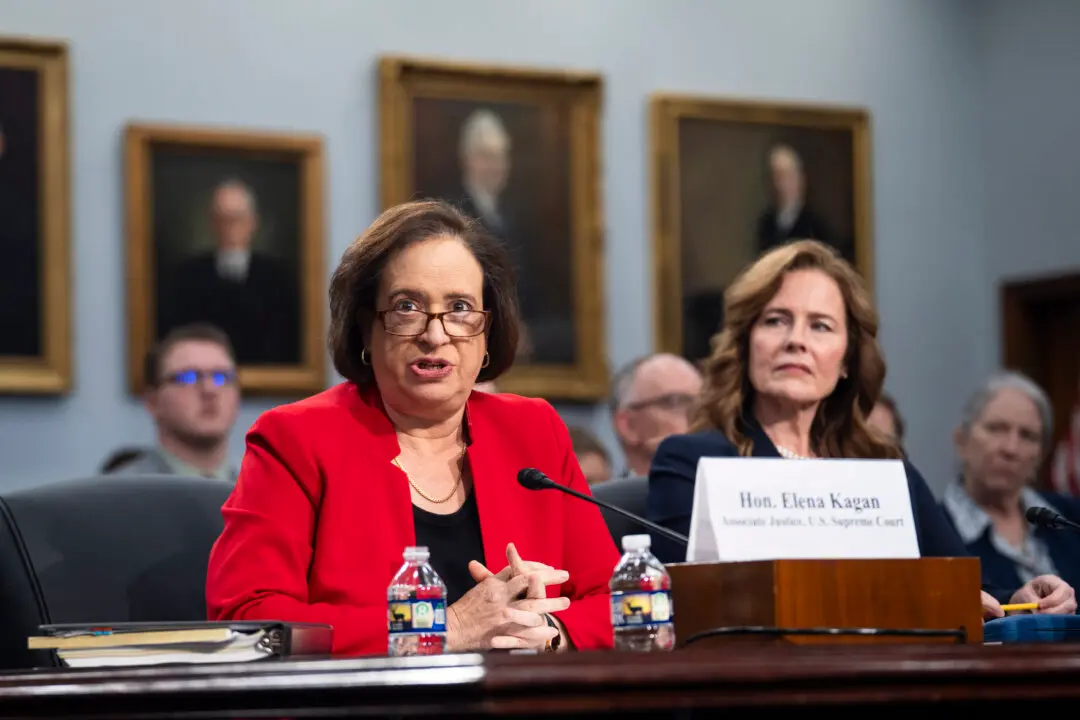
No sitting justice has appeared before a congressional panel since 2019.
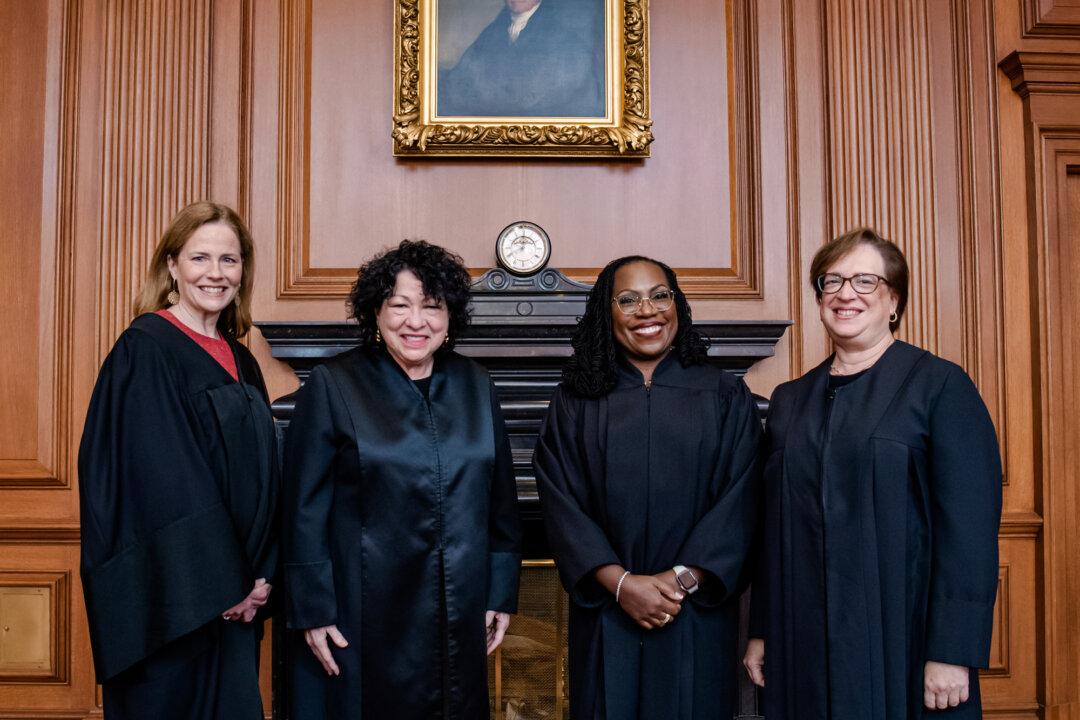
The court expanded Trump’s ability to fire federal officials but also limited his power to impose tariffs.
A federal appeals court previously allowed the state to enforce the law that requires parental consent and proof of age.
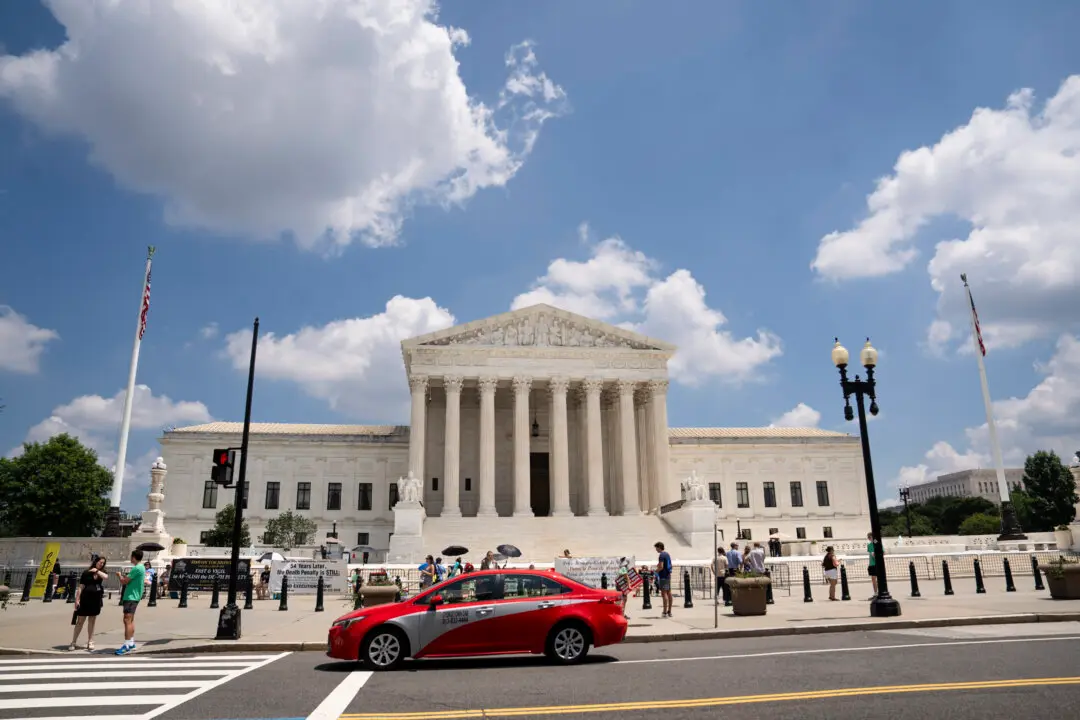
Gun control and gun safety groups say focus is being shifted from gun safety as firearms laws are being loosened.
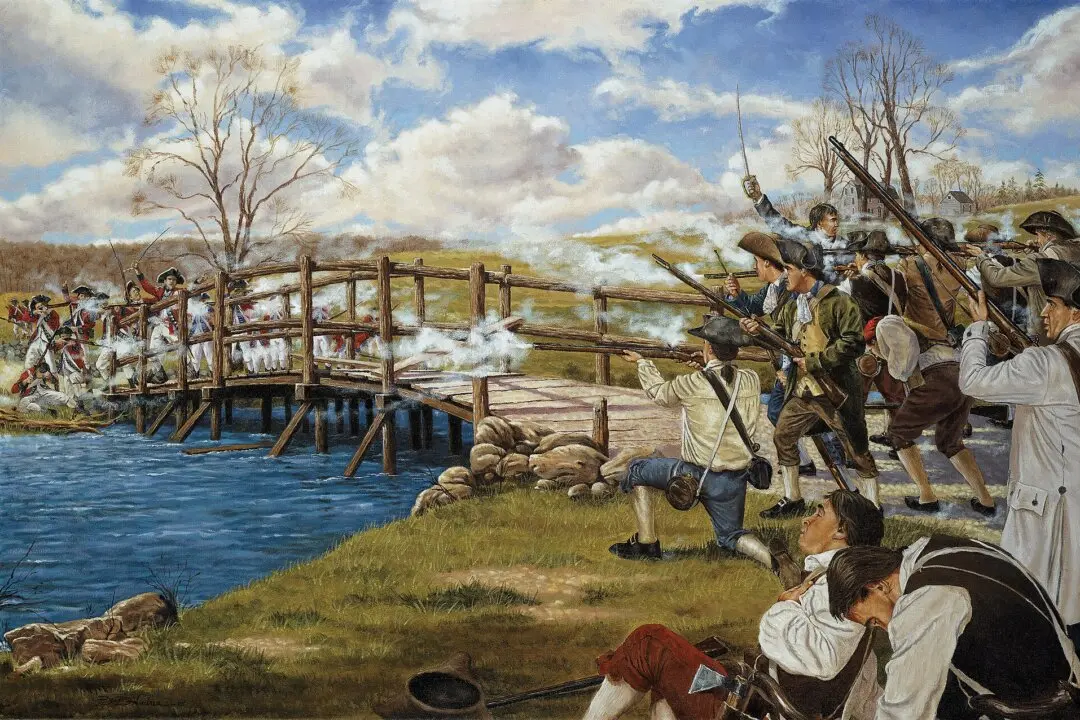
Herridge asked the court to stay a decision fining her $800 a day until she reveals her confidential source for a story about an FBI investigation.

A federal appeals court previously held that Shira Perlmutter could stay on as register of copyrights while her lawsuit continues.
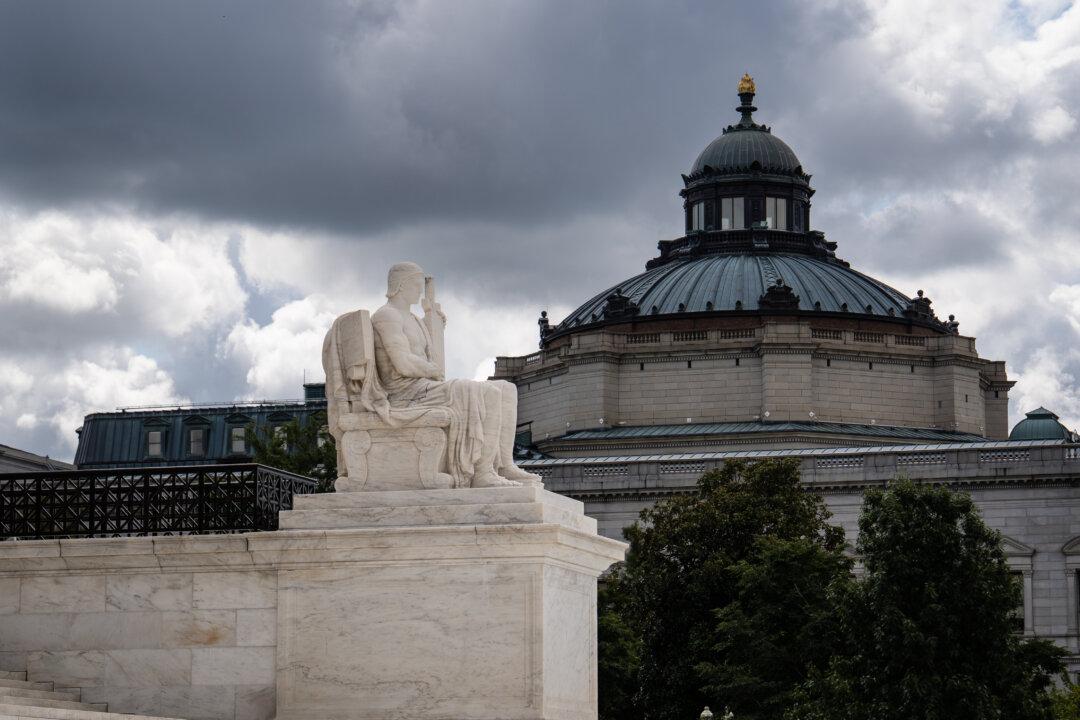
A federal judge previously found the company flouted her injunction against anticompetitive business practices.