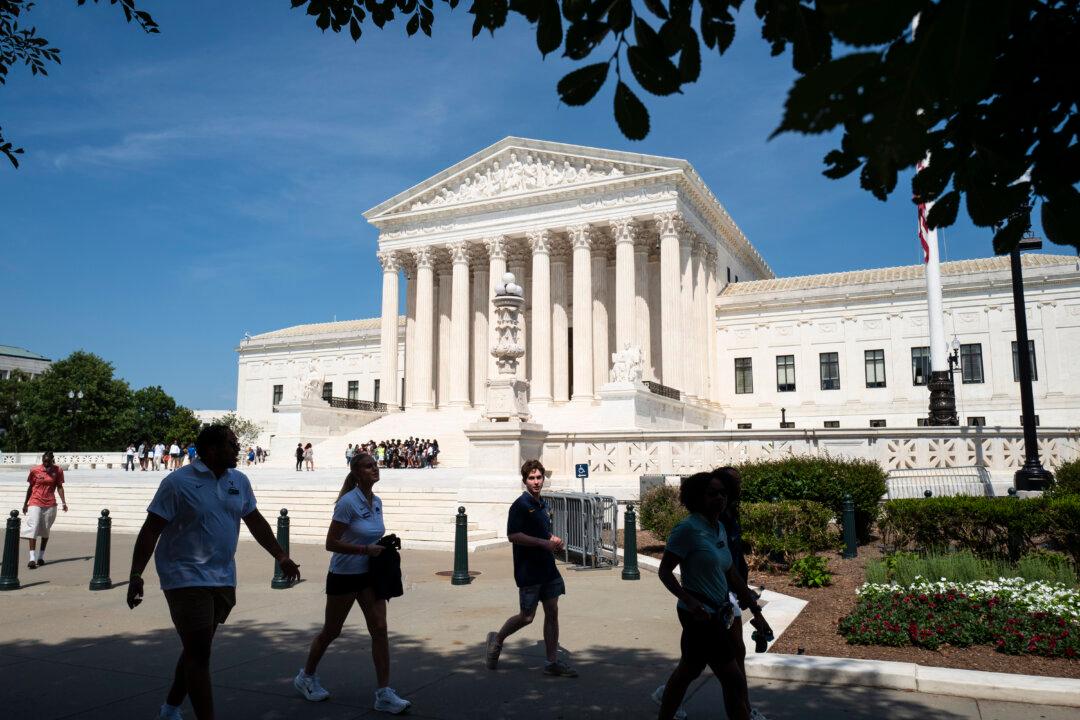
The U.S. Supreme Court declined on July 6 to block a Texas law that requires app stores and developers to confirm the age of mobile device users and for minors to secure parental consent to make purchases or download apps.
Although that law burdens, or interferes with, the rights of adult visitors to these websites, the statute is consistent with the First Amendment, the Supreme Court majority held.
The state has the authority to prevent children from accessing sexually explicit content, Justice Clarence Thomas wrote for the court.
In the case at hand, the state law, known as the App Store Accountability Act, requires that app stores and developers adhere to age verification and parental consent rules. It requires accounts for individuals under the age of 18 to be linked to an account belonging to their parent or guardian. A minor may download an app only after a parent or guardian consents, having received notice of the app’s age rating.

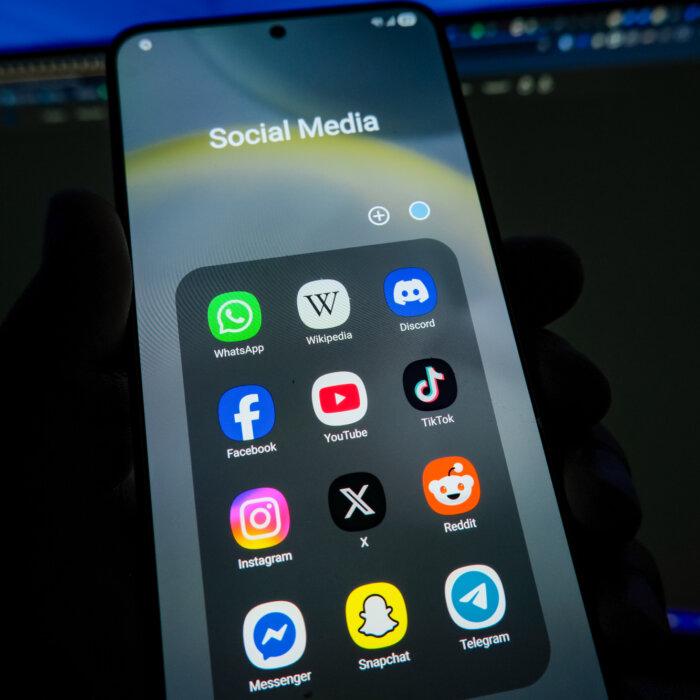
SEAT and a tech industry group sued to block the act, arguing it violated the First Amendment to the U.S. Constitution.
U.S. District Judge Robert Pitman issued injunctions blocking the law, making a preliminary finding that the statute probably ran afoul of the First Amendment.
He likened the law to one that “would require every bookstore to verify the age of every customer at the door and, for minors, require parental consent before the child or teen could enter and again when they try to purchase a book.”
In June, the U.S. Court of Appeals for the Fifth Circuit stayed Pitman’s order.
“Texas has a substantial, if not compelling, interest in protecting children, and parents need to have the necessary information to make informed choices affecting their children’s upbringing,” the appeals court said.
The Computer and Communications Industry Association urged the Supreme Court to overturn the Fifth Circuit’s ruling.
The Texas law “does exactly that—for every mobile app on every mobile phone.”
“The Act deputizes app stores to police both minors’ and adults’ threshold access to vast amounts of online speech—and then [restricts] minors’ access on an app-by-app and download-by-download basis,” the application said.
Citing a 2011 precedent, the application said the high court previously found that the First Amendment forbids states from creating such laws aimed at preventing children “from hearing or saying anything without their parents’ prior consent.”
“Just as States have long protected minors from alcohol, cigarettes, and other harmful products, [the Texas law] protects children against dangerous modern products,” he said in a brief.
The statute also safeguards parents’ ability to make decisions about their children’s upbringing, Paxton added.
The Supreme Court’s new rulings are procedural and do not delve into the merits of the lawsuits themselves.
This means Texas is allowed to continue enforcing the App Store Accountability Act for the time being.
The lawsuits are expected to continue in the lower courts, but they may return to the Supreme Court again in the future.