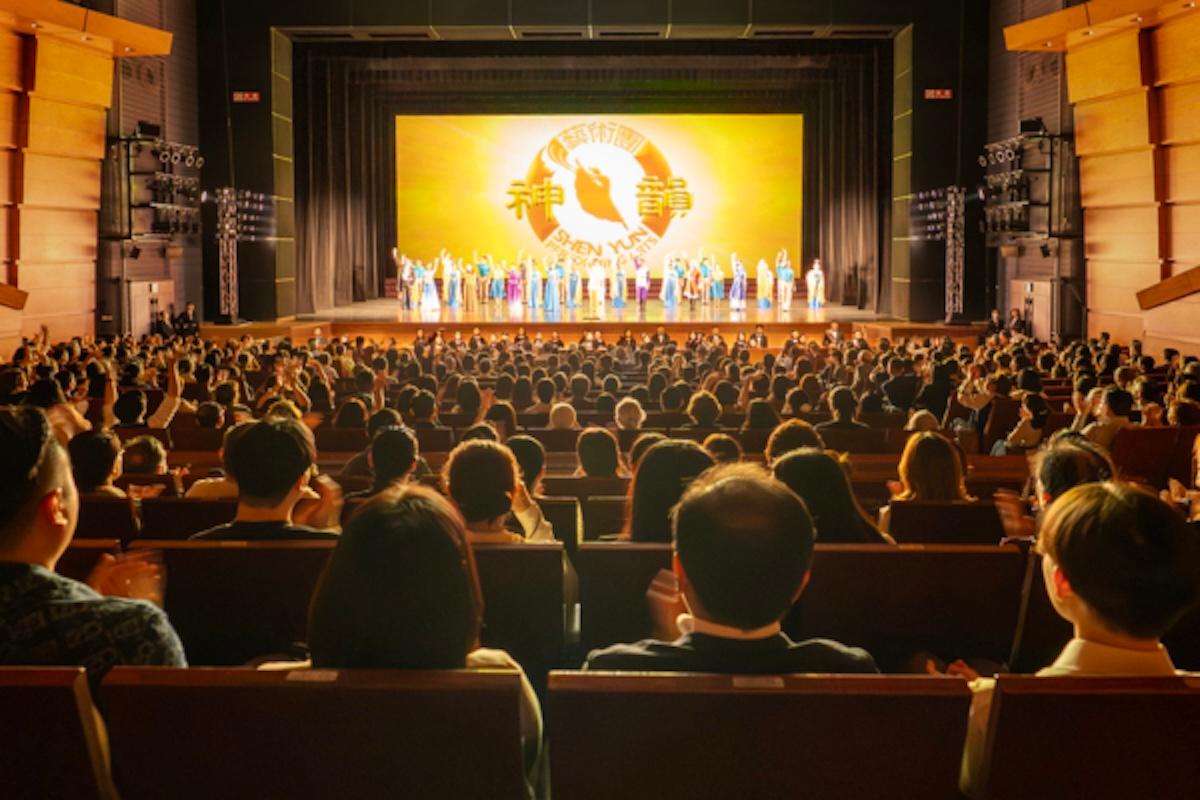
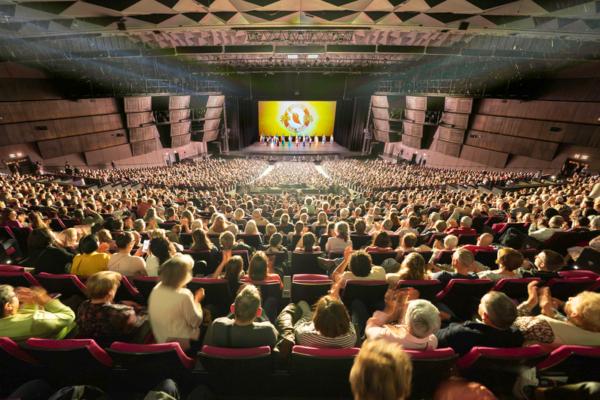
Happily, the matinee proved to be a great success, and the whole family had a wonderful time.
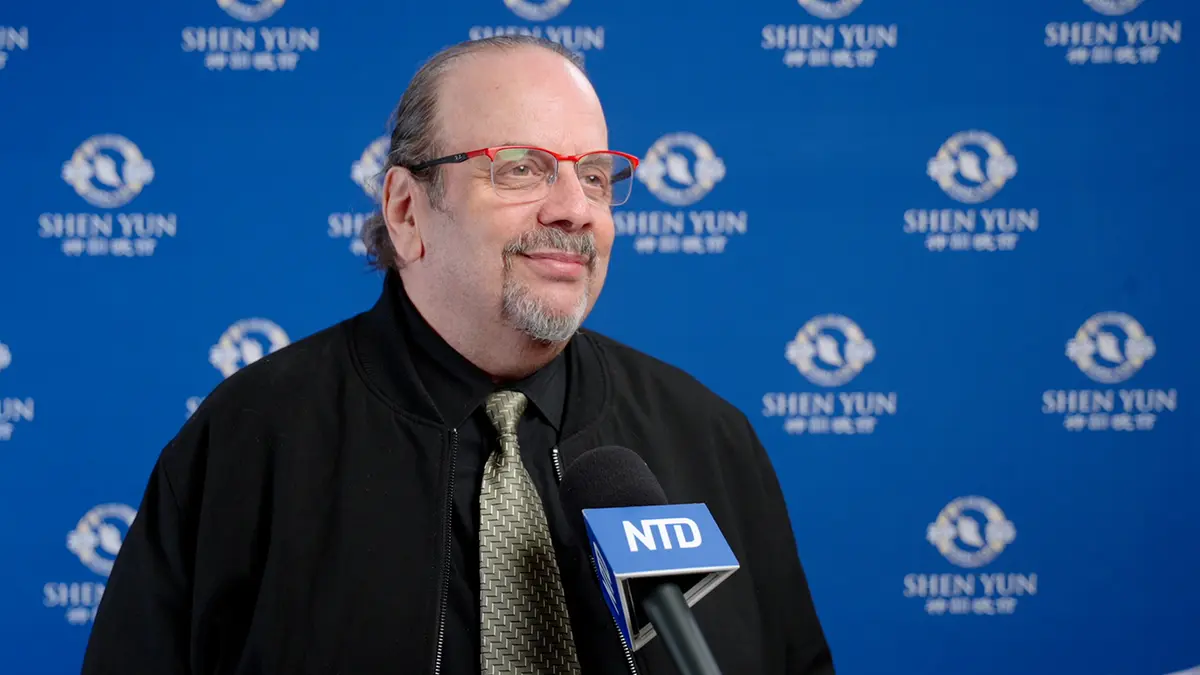
“It was beautiful,” Ms. Mestey said. “I actually didn’t expect a lot of the traditional dancing, so I thought that was really beautiful. … This was a beautiful surprise. For all of us, it was just such a great show.”
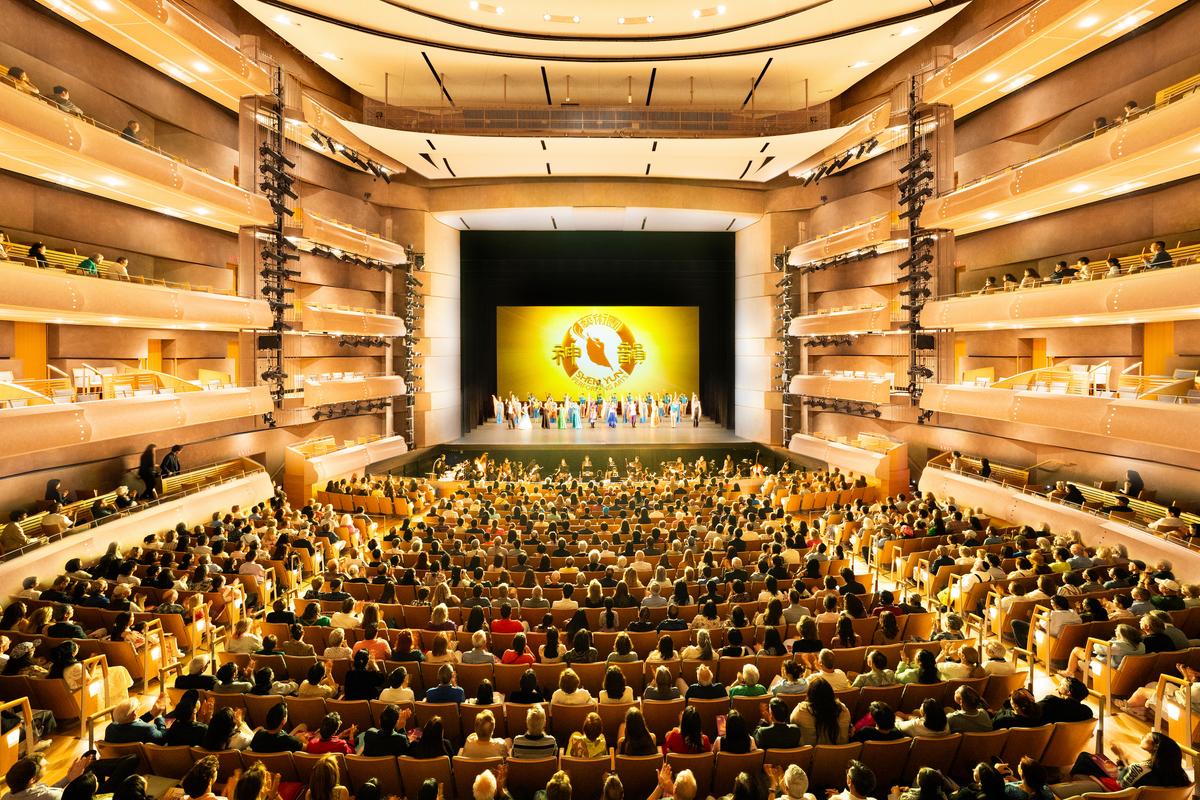
Shen Yun’s production is comprised of a series of short pieces that take its audience on a ride through the dynasties and across the vast regions of China. Using classical Chinese, folk, and ethnic dances, as well as solo musical performances, the artists tell tales from ancient times to the modern day.
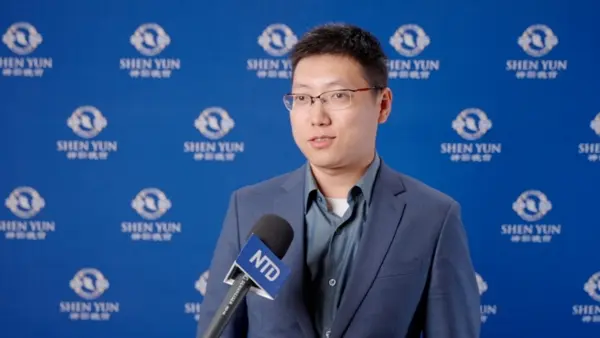
Mr. Heyaime, too, said the performance was “really incredible.”
For 5,000 years, China’s civilization flourished under the belief that the divine blesses those who uphold traditional moral values. Tragically, within just a few decades of the communist party’s violent takeover, many of these beliefs were suppressed and replaced with state-imposed atheism.
Mr. Heyaime added that he had heard the sound of the erhu in the background of films and had always wondered what the instrument looked like. He was thrilled to finally see and hear it performed live.
He was also very impressed by Shen Yun’s innovative use of a 3D digital backdrop that interacts seamlessly with the dancers to create magical illusions. Shen Yun holds a patent on the technology.
“I didn’t expect it,” Mr. Heyaime said. “It was really cool. I felt like a kid the first time [the screen] changed. There was an old man, and he turned into a prince. I was like, ‘Oh my gosh, that was incredible.’”
“That was fun,” Ms. Mestey added. “I was sitting next to my granddaughter and just seeing them jump off the first time, we both looked at each other [in] awe, ‘Wow, how did they do that?’ It was incredible.”
To the artistic director and performers, Mr. Heyaime offered his heartfelt thanks.
“I can’t imagine, as someone who has Chinese heritage, putting on something like this—talking about difficult topics [like] communism,” he said.
“I’m sure it’s something they feel very deeply if they still have family ties [in China] or through their ancestry. It’s something that’s—maybe for some of them—very difficult, in addition to the difficulty of all the dancing. So, I would just say thank you—thank you for your dedication to your craft.”