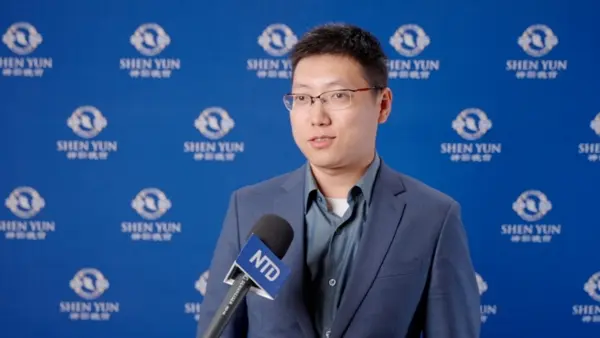
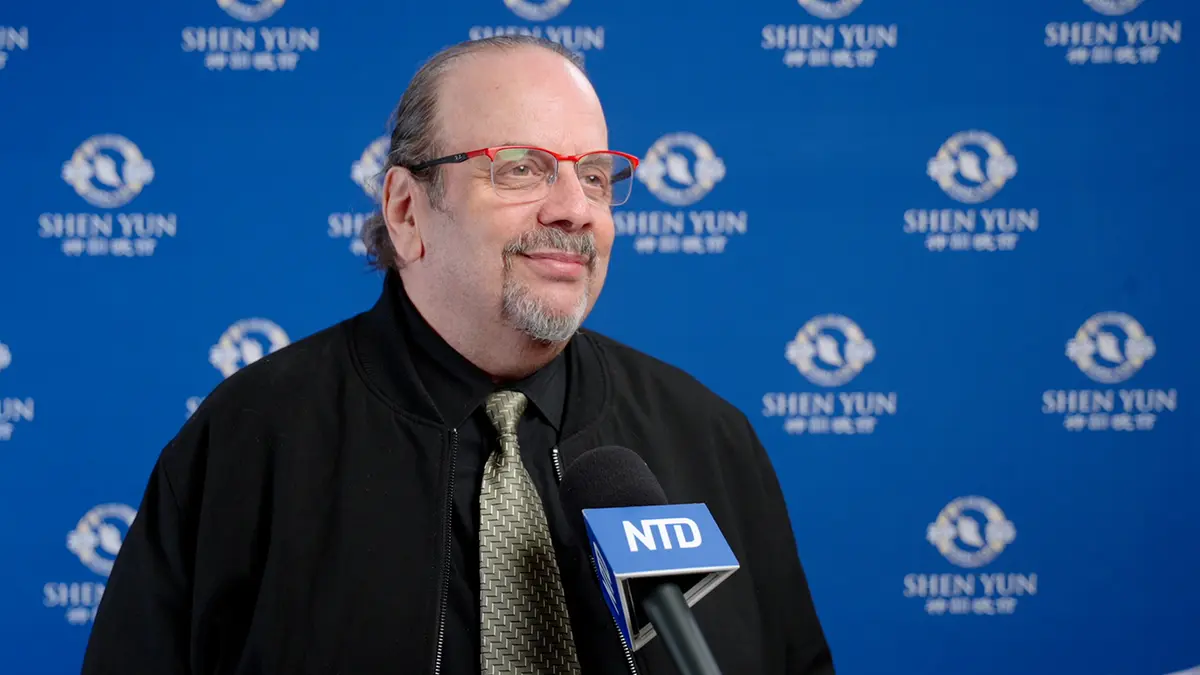
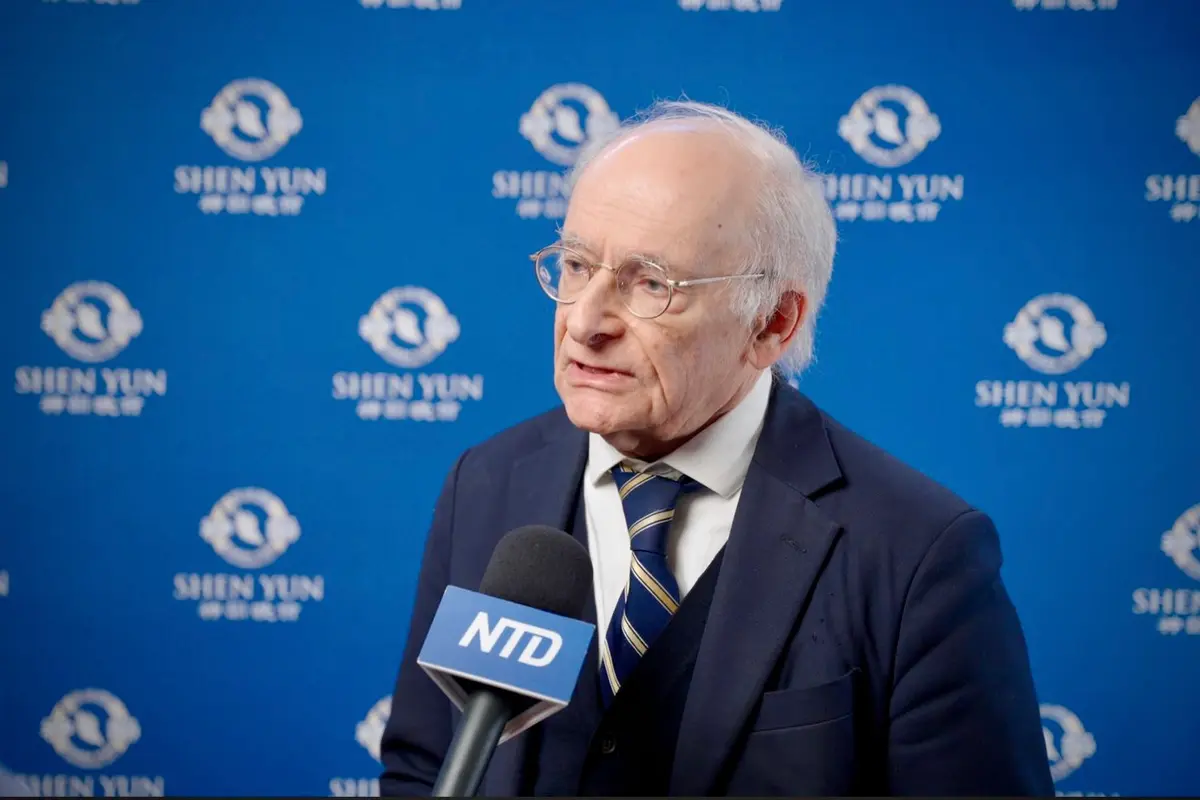
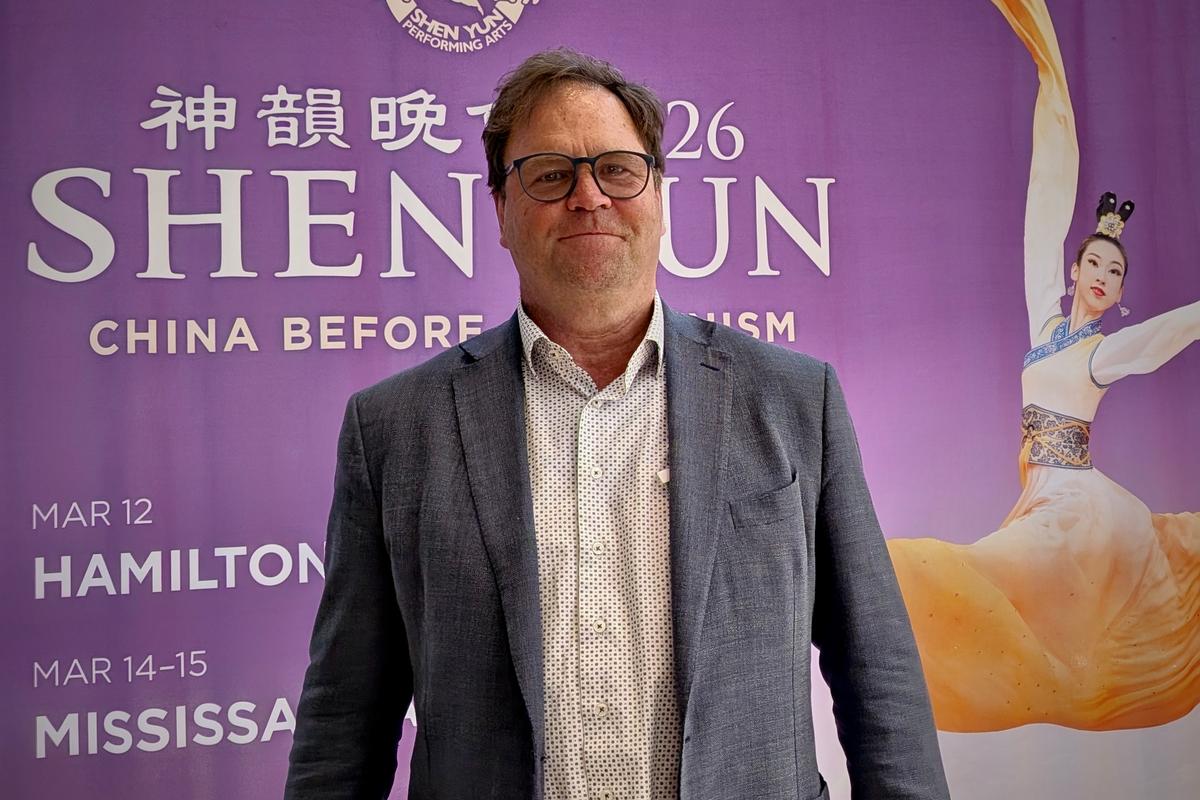
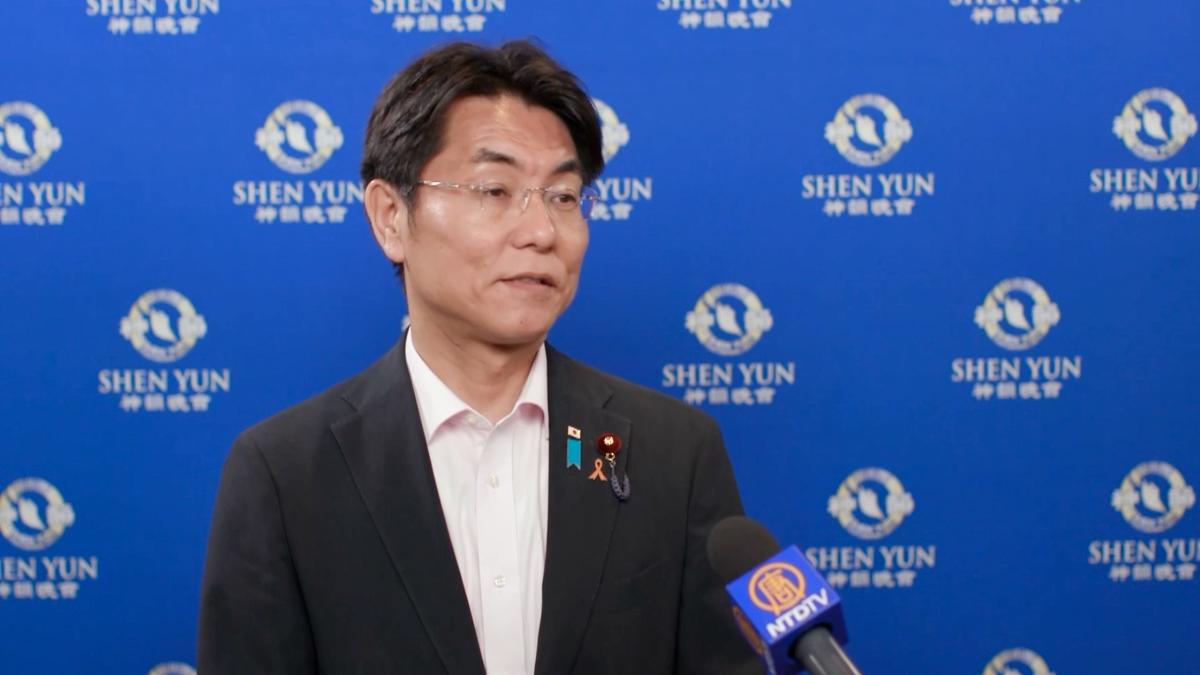
TOKYO, Japan—“Beyond the technical excellence and the high level of dance, what moved me most is that they are truly preserving pure traditional Chinese culture,” said university professor Nishi Kazuhiko after seeing Shen Yun. “They are working from New York to revive this tradition, which deeply impressed me. Although they share the same heritage, the fact that they cannot be accepted in China is sad. Still, their determination to preserve this culture and their commitment to passing it on is something I truly admire.”
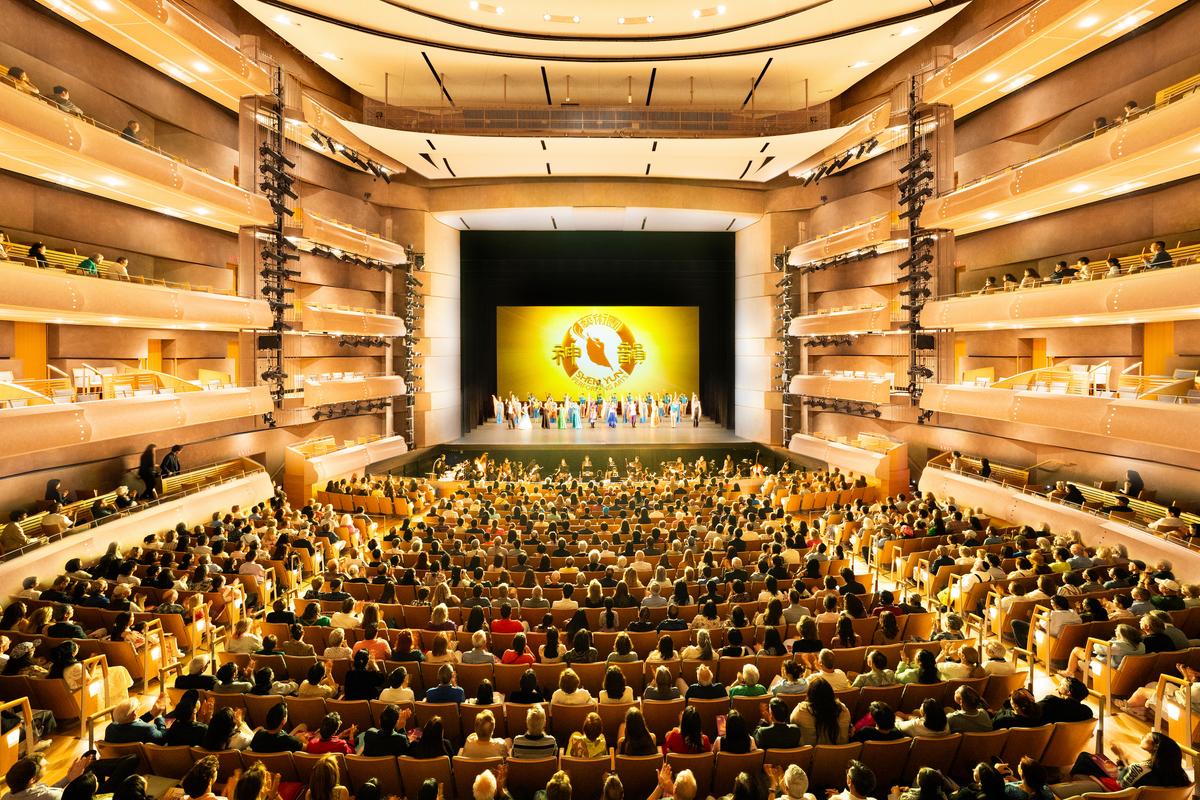
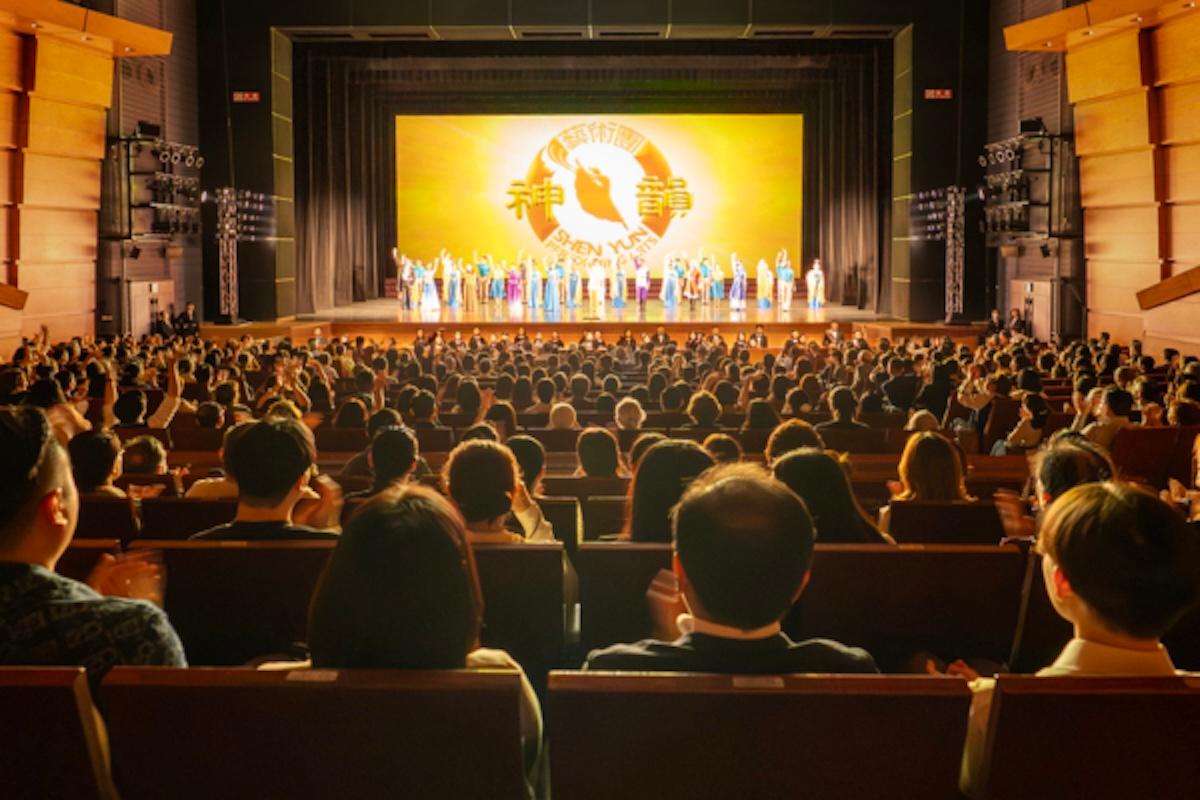
On the afternoon of April 3, Mr. Nishi attended the second performance by Shen Yun New Era Company at the Shinjuku Bunka Center in Tokyo.
Reflecting on the performance, Mr. Nishi praised the technical mastery of classical Chinese dance. “From a technical standpoint—especially in the movements—the performance is truly outstanding,” he said. “Regardless of how politics may change, this is something worth learning and passing on.”
Classical Chinese dance, one of the most comprehensive dance systems in the world, is renowned for its incredible flips and spins, as well as its refined, gentle elegance. With its extraordinary expressive power, this art form enables Shen Yun to vividly retell stories from China’s history, literary heritage, and its rich tapestry of myths and legends.
Mr. Nishi remarked that the influence of such techniques extends beyond the stage. “In terms of technique, I think this kind of performance has a significant influence on rhythmic gymnastics and other forms of dance,” he noted.
The storytelling elements in the performance also resonated with him. “Culture is the root of a people,” Mr. Nishi said. “Whether it is mythology or other traditions, these are things that have been passed down over generations. To suddenly cut that off would not be right.”
Through classical Chinese dance, Shen Yun brings to life the beauty of traditional Chinese culture while revealing the true nature of the Chinese Communist Party (CCP). Since coming to power, the CCP has systematically distorted and eroded China’s cultural heritage through campaigns such as the Cultural Revolution and the ongoing persecution of faith groups.
Mr. Nishi greatly appreciated Shen Yun’s efforts to preserve Chinese tradition, which many regard as the foundation of Asian culture.
“Preserving the culture of the past is, in a way, protecting our ancestors. Protecting our ancestors ultimately means protecting future generations as well,” he said.
Mr. Nishi also emphasized the broader impact of cultural preservation. “Safeguarding one’s own cultural traditions is not only for oneself—it also helps people learn to recognize, understand, and respect different cultures and religions. I believe that can lead to positive outcomes.”
Mr. Nishi expressed deep regret. “Under the current system in China, actions that differ from the system tend to be suppressed. The lack of tolerance for different voices is something I find regrettable,” he said.
“It’s the same in Japan as well,” he said. “If we don’t properly preserve the history of our ancestors, then when that history disappears, the people themselves may also lose their identity. So I think it’s truly admirable that they are carefully preserving these traditions.”