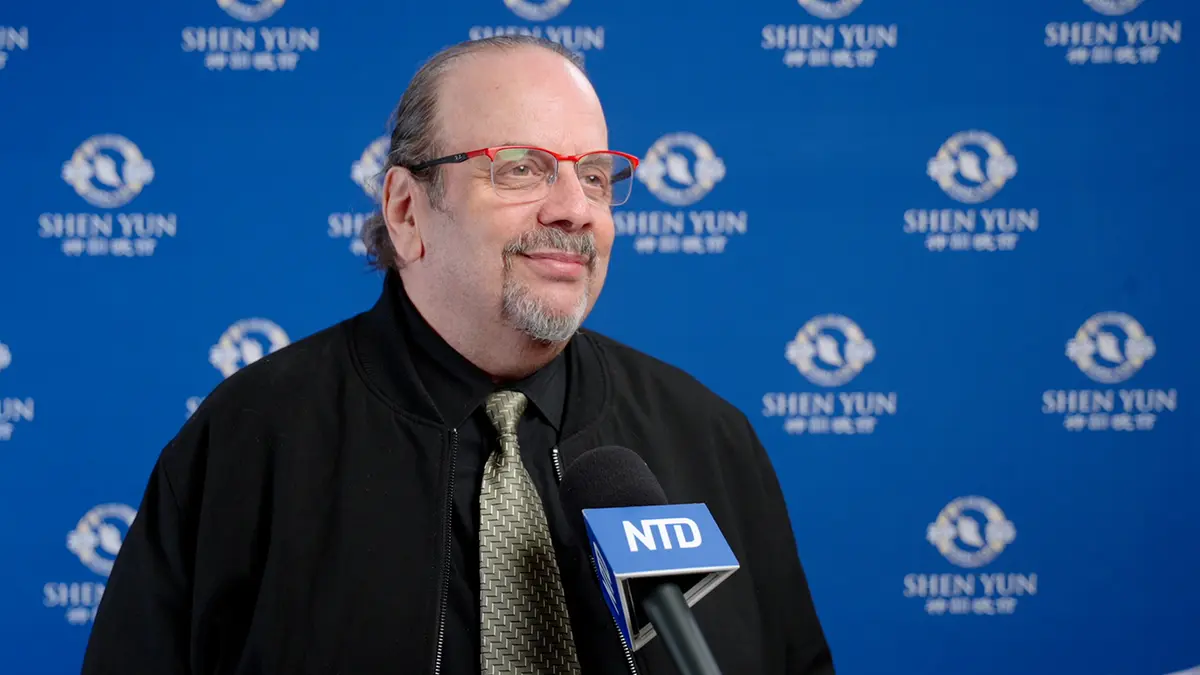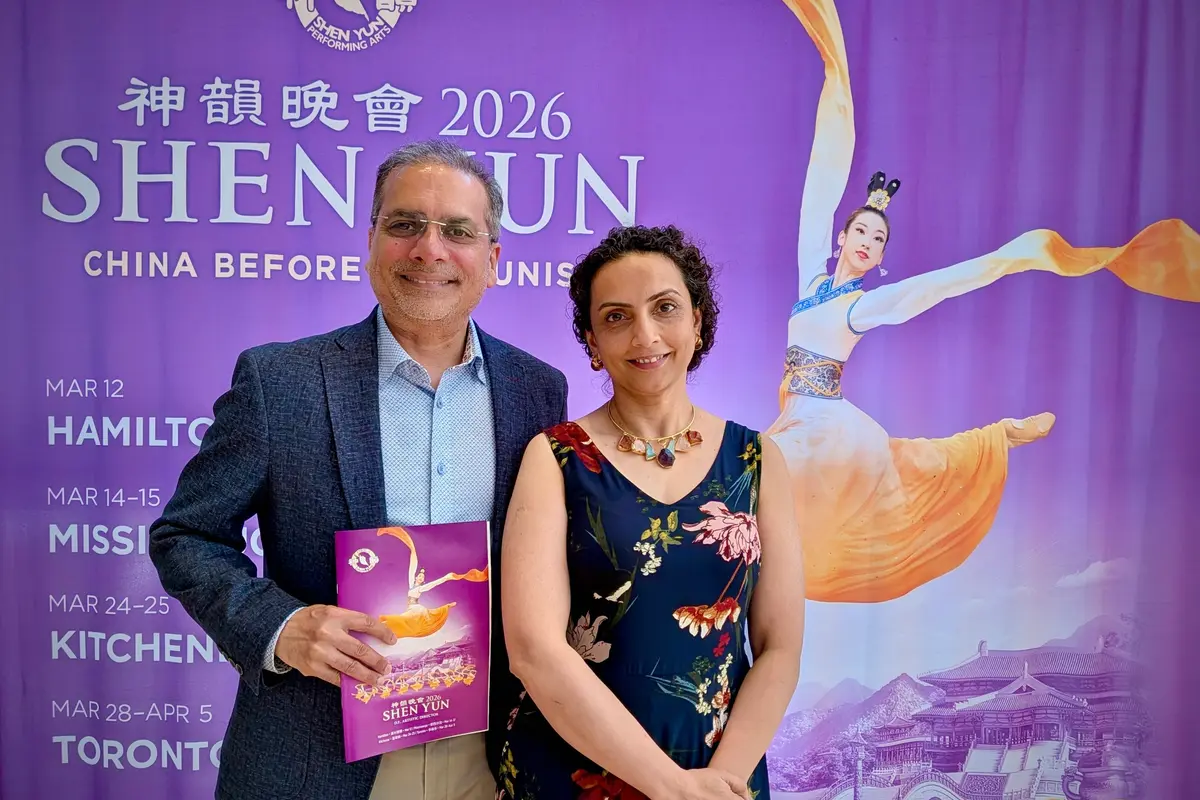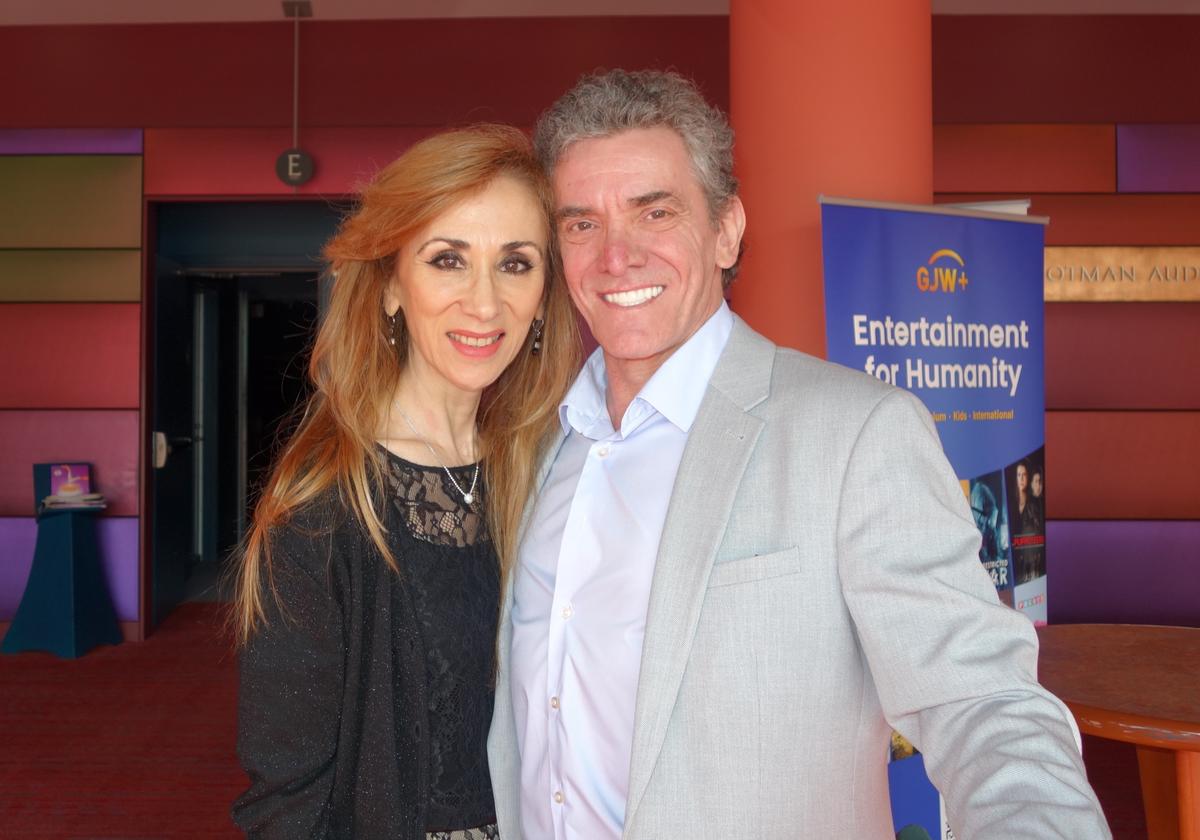

“It was great,” Mr. Guerra said. “It was great because we could come, we could enjoy the show. We could see what it’s all about.”
For him, it’s impossible to pick a favorite piece from the performance because “they’re all very, very pretty, very interesting, and very different from one another.”
Before the communist party’s spread of atheism, Chinese people were very spiritual and had a deep belief in the divine. For thousands of years, their values and day-to-day actions were strictly governed by the teachings of Buddhism, Daoism, and Confucianism.
“It is special because it’s very, very expressive [and] very, very nice with the movements,” she shared. “This piece has a lot of movements difficult for the dancer. It’s very nice, very nice.”
“When you talk about whatever you do in life—you need to have culture,” he said. “We need to know where what was [before] us … to live today, how we live and to know what we want to do, and what we want to change, and what we want to keep for tomorrow.”
Ms. Barroso loved that Shen Yun conveys messages of kindness, generosity, and love through its story-based dances.
“When the people have a possibility to give love—it’s very important,” she said.
“The intention that they have all the time on stage—that’s a great thing that they have. I would like to work with them.”
Ms. Barroso chimed in that she would like to commend not just the dancers, but Shen Yun’s entire cast and crew because the success of the performance depends on the flawless integration of the different arts.
“The singer, the pianist, the [two-stringed erhu solo,] and the orchestra is very good,” she said.
When asked how they would describe Shen Yun to others who haven’t yet seen the performance.
Mr. Guerra said, “I’m an artist, [Ms. Barroso] is an artist, usually we don’t describe shows. We’ll just say: ‘Go and see what happens to you because it’s going to move you. It’s going to transform you. It’s going to make you come out of the theater different than when you came in.'”