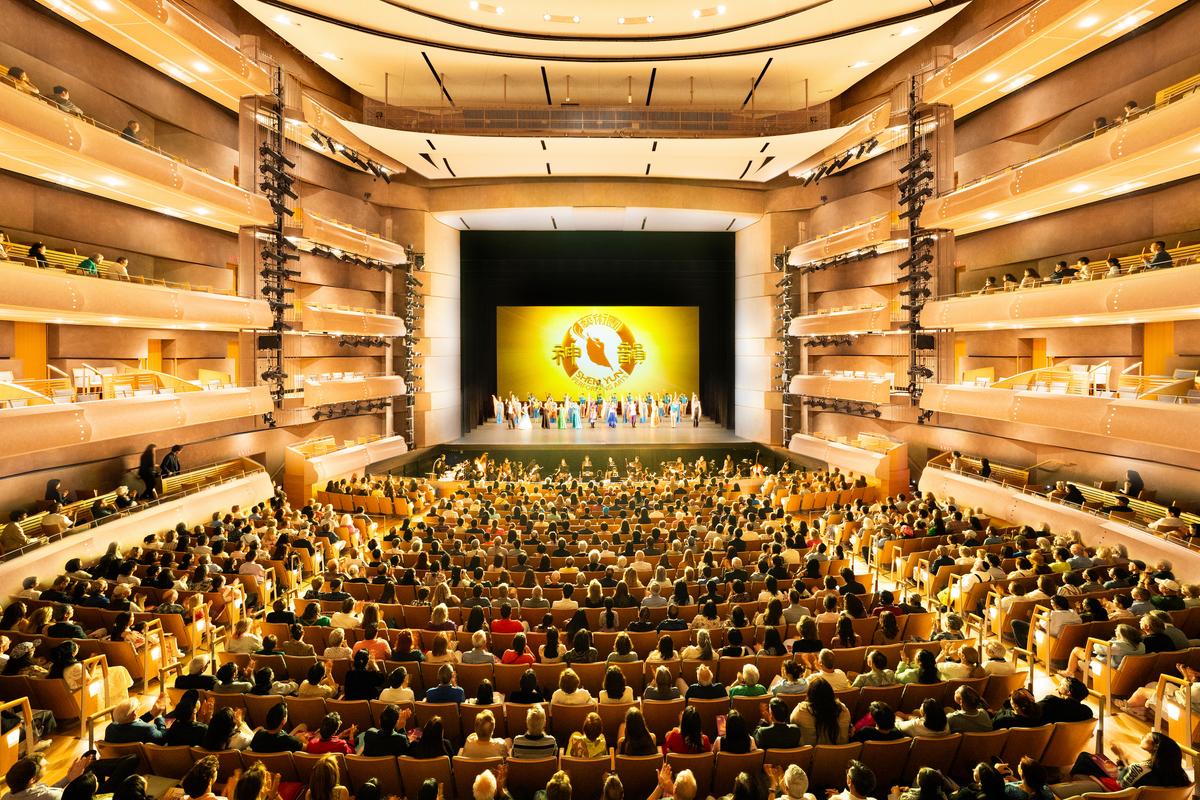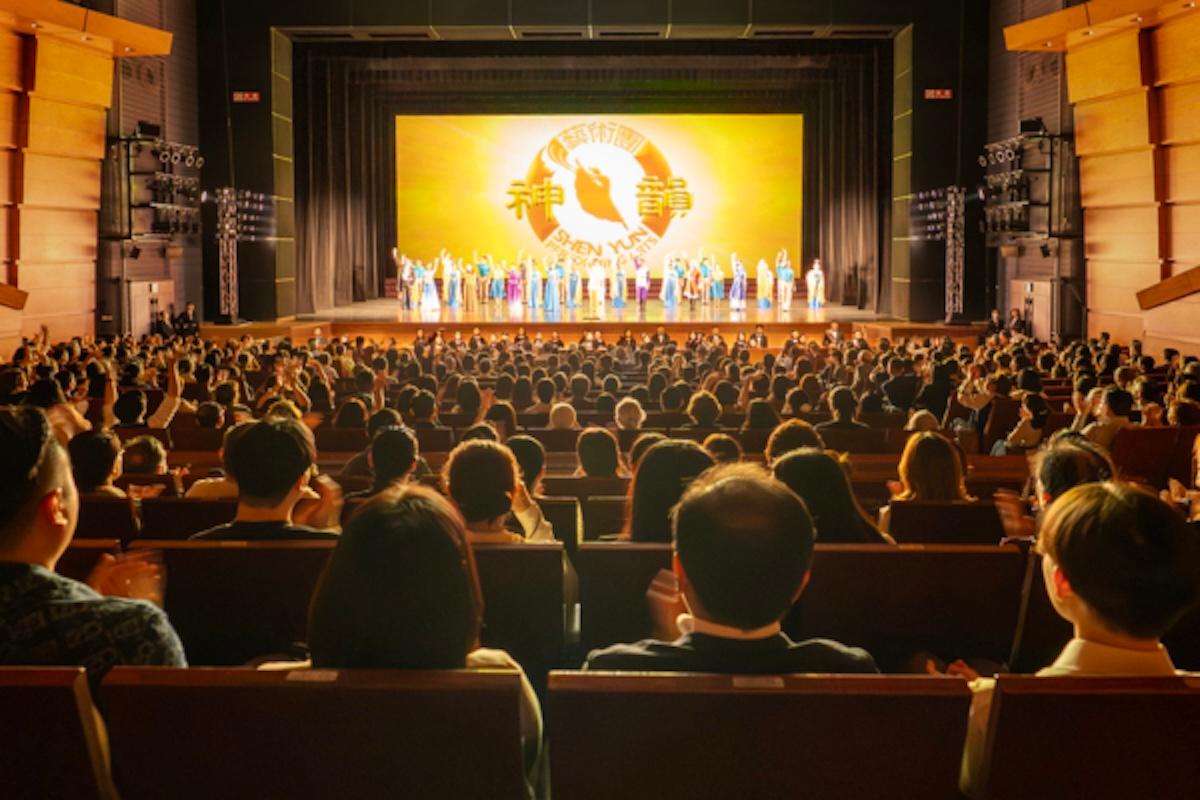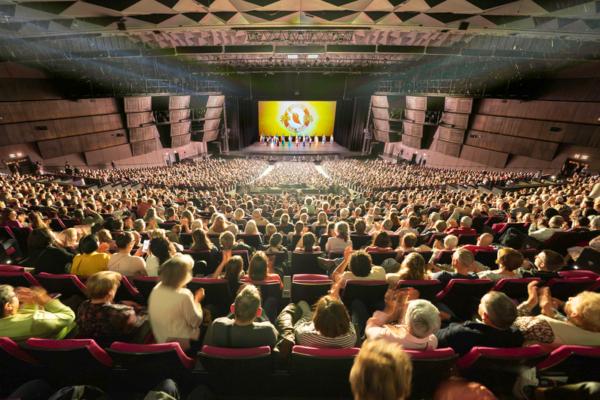

LYON, France—This Easter Monday, France’s former silk capital hosted a performance celebrating the culture of the inventor of silk from thousands of years ago at the Amphithéâtre de Lyon.
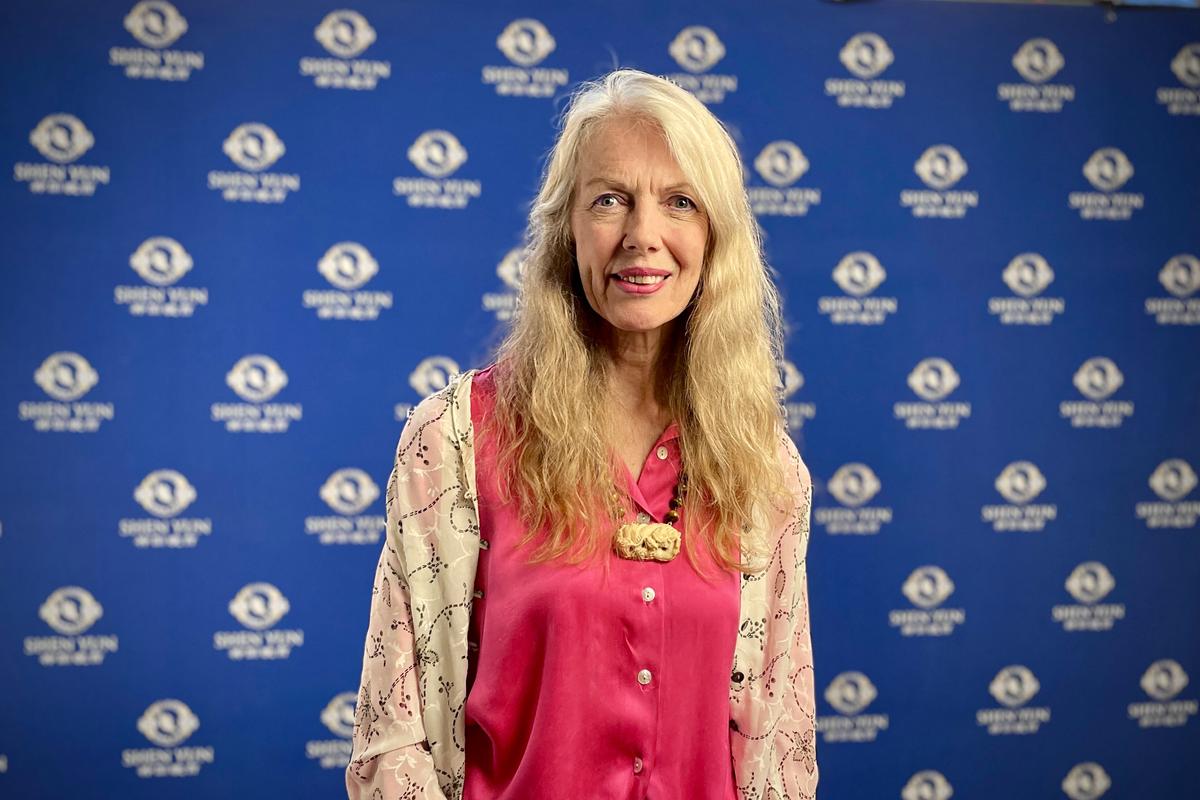
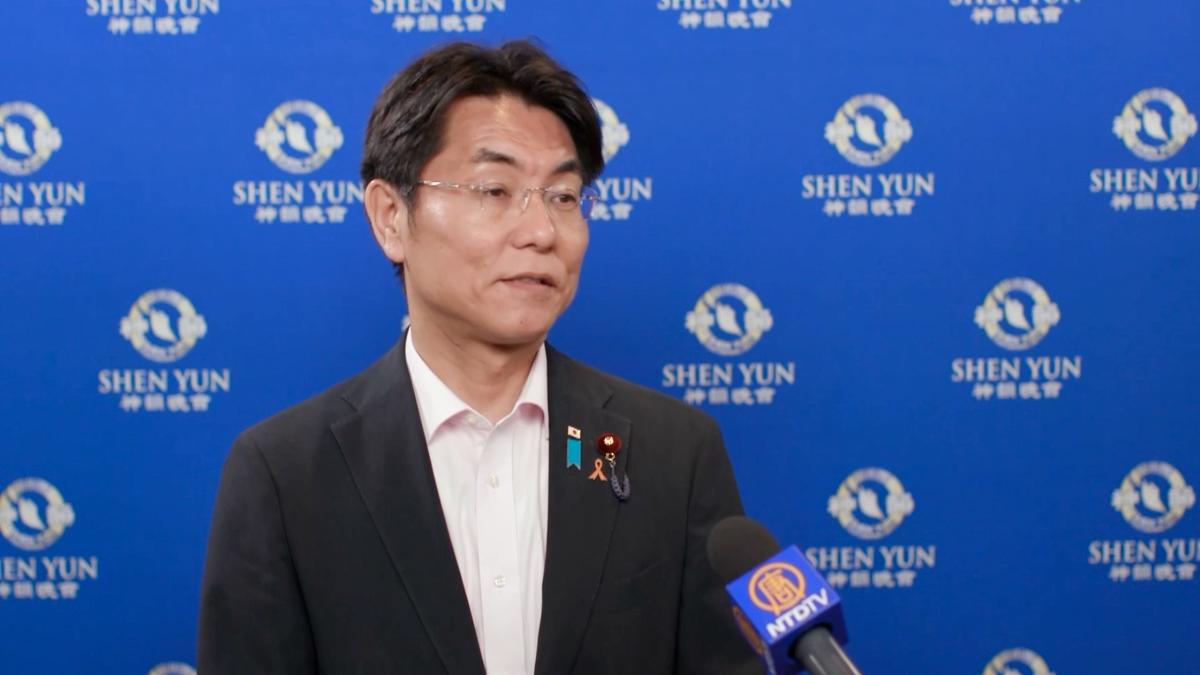
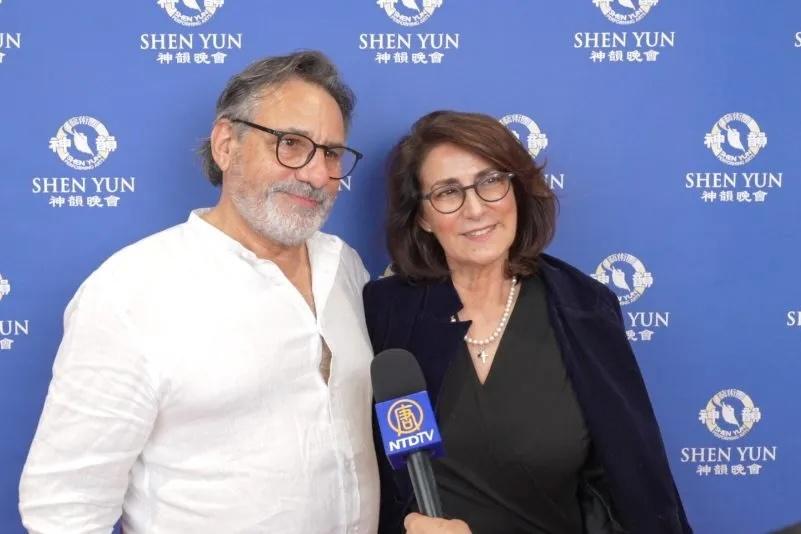
Mr. Melin, a physical therapist, said the experience was, “Sublime—simply magnificent!”
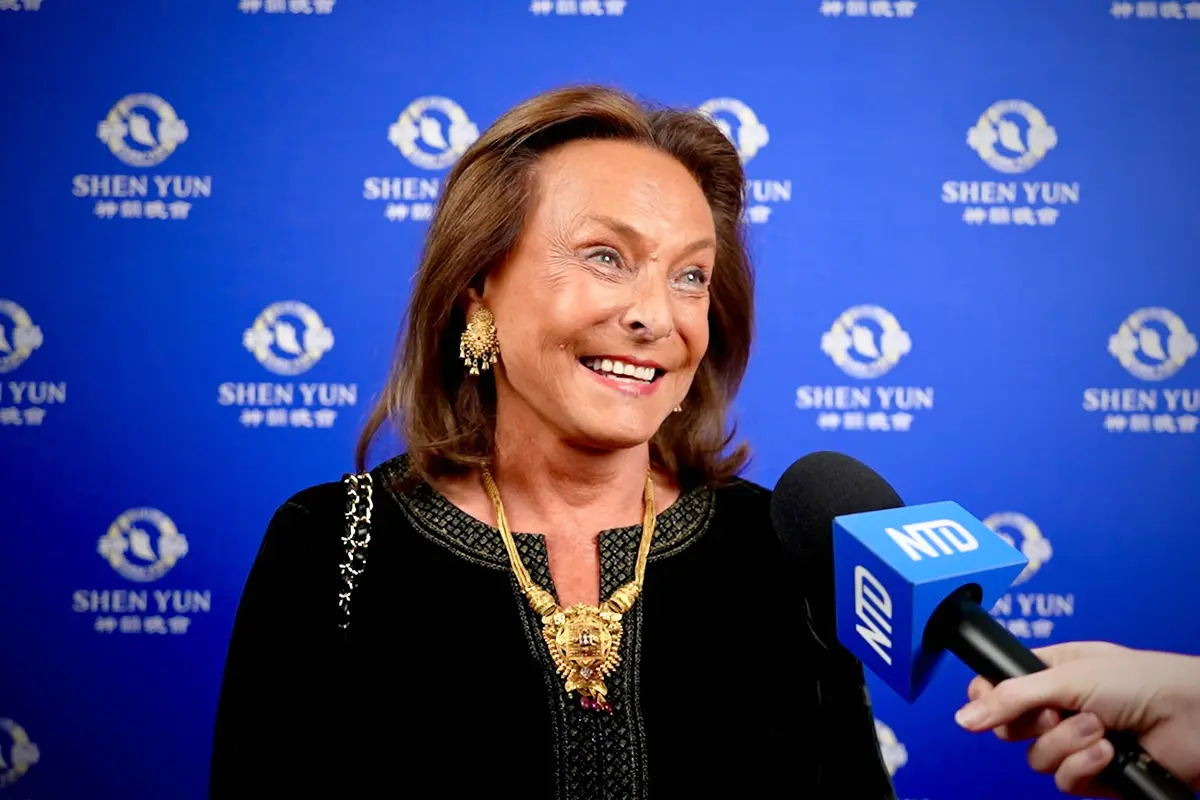
Mrs. Melin, a psychoanalyst, agreed. “It’s magnificent, magical, poetic! It’s sublime! They take us on a journey, and when they appear on stage, it really has a ‘wow’ factor!
“They exude a grace and majesty of extraordinary refinement. We were both utterly captivated. It’s a truly, truly beautiful show!” she said.
Between Tradition and Contemporary Reality
Indeed, Shen Yun has made it its mission to remind the world of “China before communism” and its rich traditional culture—a culture that was deeply rooted in spirituality that nearly disappeared after the Chinese Communist Party came to power in 1949. The company also sheds light on the darker human rights atrocities happening in contemporary China under communism.“This is fundamental,” Mr. Melin said. “We can see the cultural divide between the China of yesterday and that of today, including this freedom of worship.”
“What was really moving was seeing how they highlighted the persecution that some Chinese people are facing,” Mrs. Melin noted. “We have friends who are believers—especially Christians—who are also experiencing persecution in China. It’s important to talk about it. Ultimately, what shines through this persecution is the joy of overcoming pain through dance and music.”
‘Everything Is New to Us—Both Surprising and Unfamiliar’
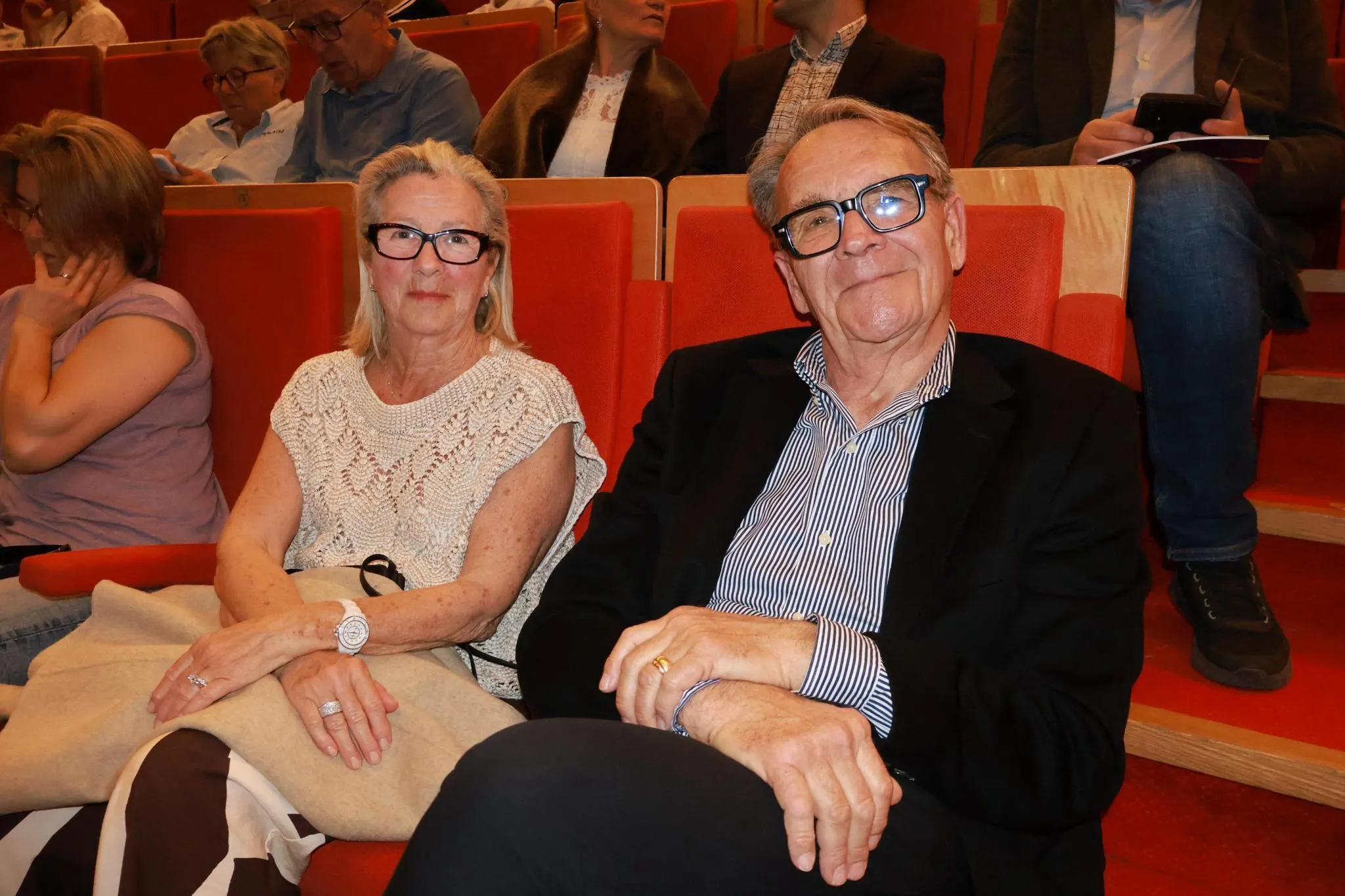
Marie and Michel Bernard saw commercials for Shen Yun on TV and wanted to see it for themselves. “We think it’s very beautiful, very good. The performers and dancers are perfect!” Mr. Bernard, a former architect, said. “It’s all new to us—both surprising and unfamiliar.”
According to them, this was the case with the Shen Yun Orchestra, which Mr. Bernard said was “very refined, very good. We are very pleasantly surprised.”
The couple was moved by the spiritual dimension of the performance. Indeed, Shen Yun means “the beauty of divine beings dancing,” paying homage to the ancient Chinese belief in a culture inherited from the divine.
For Mrs. Bernard, who worked alongside her husband for many years, “the spiritual dimension presented here points to a foundation shared by many religions.” She adds: “In the final dance, we see a form of a Supreme Being embodying goodness. This is a message found not only in Christianity but also in other, more ancient traditions. It is a universal foundation.”
By reviving this connection to the divine, Shen Yun also conveys traditional and universal values such as courage, perseverance, loyalty, and kindness.
While these values seem important to Mr. Bernard, he points out that “they are not currently being put into practice.”
“In this regard, today’s China appears to be a kind of antithesis,” Mrs. Bernard said.