Parents often dismiss teenage drama as a phase. However, researchers tracking 121 adolescents from middle school to age 30 found it anything but.
The new study found that adolescents with higher levels of aggression showed signs of faster biological aging and higher body mass index later in adulthood—and the relationships that teens formed during those years appear to be the driving mechanism.
Adolescent relationships carry more weight than most adults acknowledge.
A 17-Year Window Into Biological Aging
Previous research has linked aggressive behavior during adolescence to poorer health outcomes later in life, but little has examined its association with biological aging.To investigate the theory, researchers tracked 121 middle school students from age 13 into adulthood. Participants reported their aggressive behaviors—such as getting into fights, threatening others, or frequently losing their temper—while parents and close friends reported relationship conflict.
To estimate biological aging, researchers analyzed a panel of blood-based health markers—including blood pressure, cholesterol, blood sugar, and inflammation levels—collected at age 30 and measured adult body mass index.

Relationships May Be the Missing Link
The study’s most significant finding wasn’t the aggression–aging link itself; it was what explained it.Researchers examined two relationship patterns: conflict with fathers during adolescence and punitive behavior toward close friends in early adulthood—defined as behaviors that punish or mistreat others. Early aggression predicted higher levels of both father–child conflict and punitive peer behavior.
However, once these relationship patterns were accounted for, the link between adolescent aggression and faster aging disappeared, suggesting that aggression wasn’t the only risk factor. It was the persistent conflict it generated in close relationships that did the damage.
“What we are finding is that what happens in adolescence sets a pattern or a template for relationship qualities that will emerge later in life,” Allen said.
Different Patterns of Conflict
While the overall pattern was similar across groups, the study found some differences in how conflict showed up. Adolescents from lower-income families reported more conflict with their fathers, while males were more likely to display punitive behavior toward peers.“Boys are often socialized toward status competition and dominance within peer groups, which can sometimes translate into more punitive behavior during conflict,” Jen Libby, a psychotherapist treating at-risk adolescents and founder and CEO of Promly, who wasn’t part of the study, told The Epoch Times.
Jessica Scher Lisa, founder and clinical psychologist at Empowering Minds Consulting, who wasn’t part of the study, told The Epoch Times that boys often express distress through anger rather than vulnerability.
Meanwhile, financial stress within a household can increase tension in parent–teen relationships.
“In these situations, conflict between fathers and adolescents often reflects broader family stress rather than a lack of care or commitment,” Libby said.
Why Conflict Ages the Body
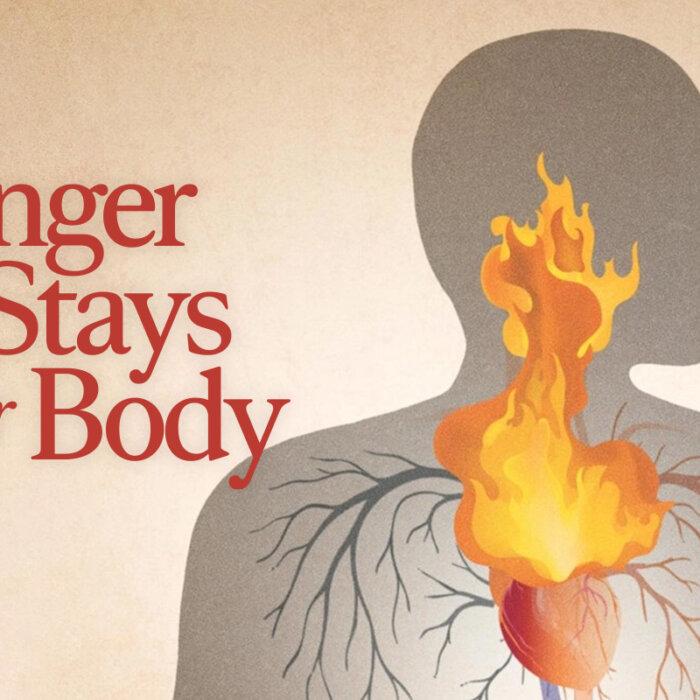
The biological pathway from relationship conflict to accelerated aging runs through chronic stress.“We know that conflict creates a great deal of stress in the body, affecting everything from cortisol levels to blood sugar to levels of inflammation, all of which can accelerate aging processes,” Allen said.
Over time, stress-related biological changes may speed up aging by affecting metabolism, DNA damage, telomere length, and inflammation.
When Rebellion Becomes a Warning Sign
Some conflict in adolescence is not only normal—it’s necessary. Teens are biologically primed to test limits, seek autonomy, and push back against authority as they develop identity and independence. A degree of rebellion, Allen noted, is essential for becoming a competent adult.The line is crossed when aggression begins to erode core relationships.
Persistent conflict, he said, may signal a problematic developmental pattern in which adolescents struggle to separate individuality from interpersonal conflict.
“This then sets in motion the cascading chain of relationships marked by conflict into early adulthood and then well into adulthood that we identified as problematic in this study,” Allen said.
Persistent or escalating aggression may also signal that a teen is struggling and needs support. Behavior is rarely just “bad behavior,” Scher Lisa said, noting that “chronic conflict with parents or peers is often a signal that a teen is struggling with stress, emotional regulation, or unmet social needs.”
Adolescence is a critical window for social and emotional development—and what happens in teen relationships, the new research suggests, may echo in the body for decades.