





Margaret, 66, couldn’t explain the dread. It wasn’t tied to anything specific—just a low hum of “something bad is coming” that followed her through her days. Her doctor explained away her cold hands, aching back, and nighttime trips to the bathroom as part of aging. What no one had connected was that all of it, including the fear, might be coming from the same place: her kidneys.
In classical Chinese medicine, cold hands, back aches, broken sleep, frequent bathroom visits, and nameless fears are traditionally understood as connected, not five separate problems. They are rooted in a single organ system: the urinary system.
Why do these organs hide their trouble so well? The kidneys are among the quietest of the major organs. A person can lose nearly half of their kidney function before a single clear symptom appears, and by the time a standard lab value drifts out of range, years of slow decline may already have happened.
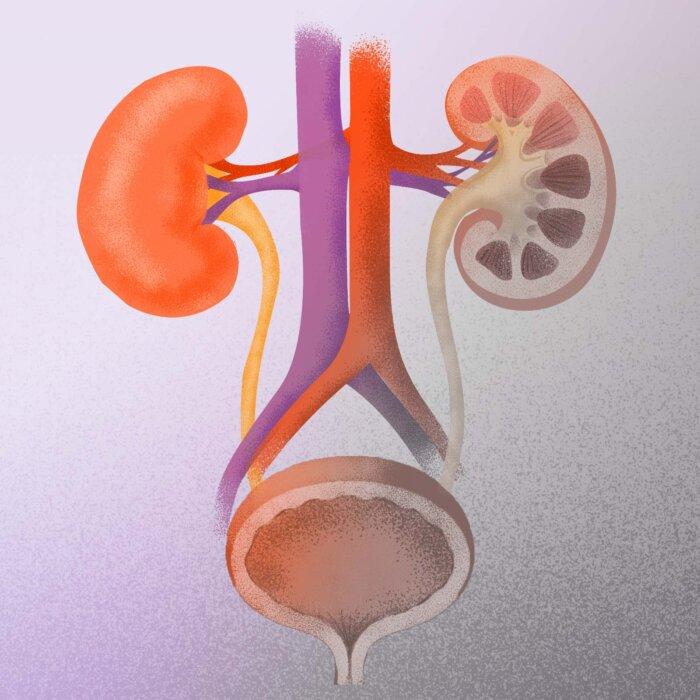
The bladder is louder—urgency, frequency, waking at night—but its signals are so easily filed under ordinary aging that they are rarely questioned. Together, these two organs govern how the body handles water, filters waste, and helps regulate blood pressure. As Western medicine is beginning to appreciate, they are also closely tied to how the body holds and releases fear.
To understand what was happening to Margaret, I examined her across the four dimensions I use for every aging system. I call this approach the ACES Model: anatomy, chemistry, energy, and soul.
The structure (anatomy) of the body houses our organs, the chemistry regulates them, the traditional Chinese medicine (TCM) concept of vital energy sustains them, and unprocessed emotional stress—fear, in the kidney’s case—may wear on them in a way no scan can see. Margaret needed care across all four dimensions, as most patients in her situation do.
The Decline No One Watches
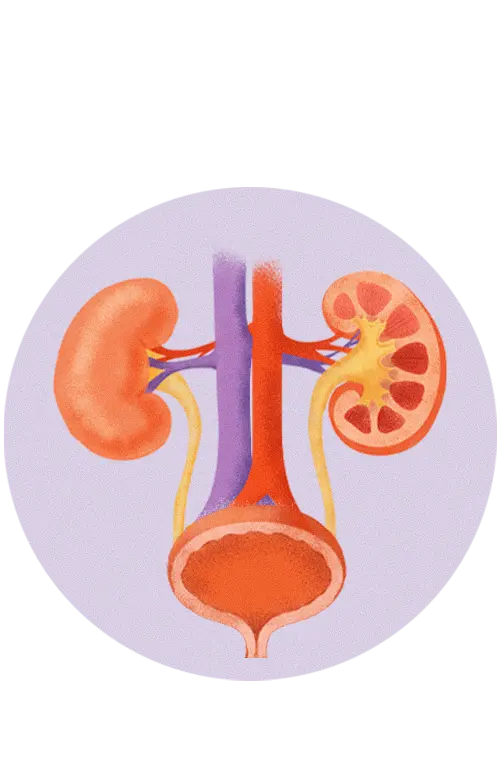
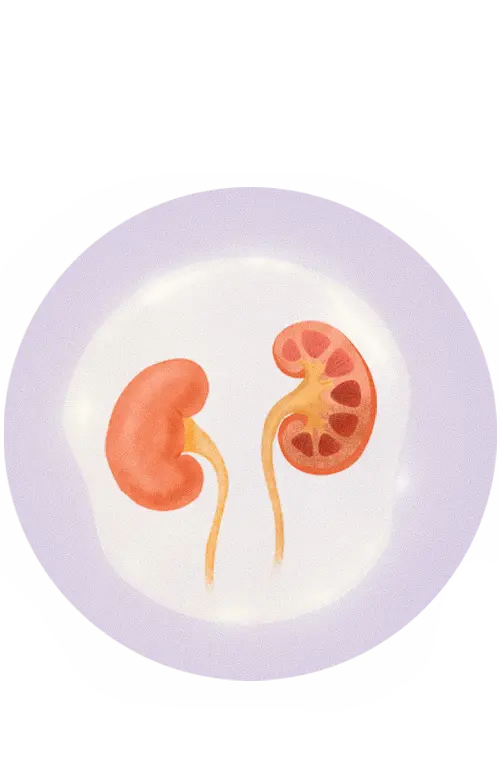
Each kidney contains about a million tiny filtering units called nephrons, which are gradually lost over a lifetime and are not replaced. Some loss is a normal part of aging. What is not normal, though it is common, is the accelerated loss driven by decades of high blood pressure, elevated blood sugar, chronic dehydration, and certain medications—including any long-term painkiller and acid-reducer use—that can add stress to the kidneys over time.
Because the kidneys are built with substantial reserve capacity, damage can stay hidden for a long time. A person can lose 40 percent to 50 percent of their filtering units and still produce a creatinine result that the lab reads as borderline-normal. A rise in creatinine may be a sign that the kidneys aren’t working as they should. The typical range for serum creatinine is 0.74 to 1.35 mg/dL for adult men, and 0.59 to 1.04 mg/dL for adult women.
The very surplus the kidney was born with is what masks its decline.
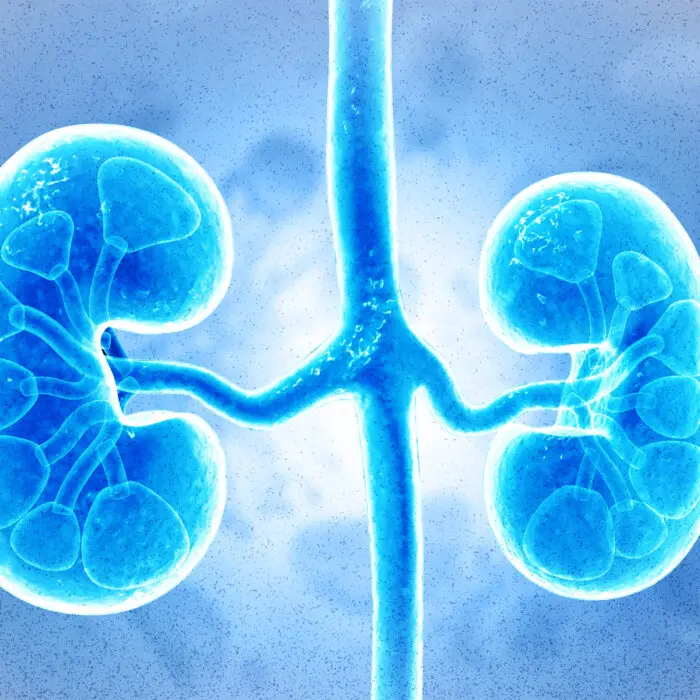


The bladder ages along a different track. It is essentially a muscular sac, and aging affects both the muscle and the nerves that control it. Over time, the bladder wall grows stiffer and less elastic, its capacity shrinks, and the signaling between the bladder and the brain becomes less coordinated. Hence, the urge to urinate arrives more suddenly and less predictably.
In men, an enlarged prostate can press on the outflow and block the stream. In women, the pelvic floor—the sling of muscles that supports the bladder and urethra—can weaken, often after childbirth and around menopause. The result is a familiar cluster: nighttime waking, sudden urgency, and a growing sense that the bladder can no longer be trusted to wait.
In Margaret’s case, imaging showed her kidneys at the lower end of normal and that her bladder did not fully empty—findings that, taken individually, did not seem urgent. One test that wasn’t ordered was a urine albumin test, which can detect kidney stress years earlier than creatinine alone.
If you suspect your kidney function is declining, there are a few concrete things you can ask your doctor for. Request your eGFR and your urine albumin-to-creatinine ratio, since the second can reveal strain the eGFR test misses. Also, ask your physician to review every long-term medication and supplement for any burden it may place on aging kidneys.
Anatomy, though, is only the first of the four windows.
What the Bloodwork Is Saying
The kidney does far more than filter blood. It controls how much sodium and water to hold, which helps set blood pressure, converts vitamin D into its active form, which the body needs to absorb calcium, signals bone marrow to produce red blood cells, which is why kidney decline often first shows up as unexplained fatigue, and helps maintain the blood’s acid-base balance.
When this regulation begins to slip, the early signs are often misread. Fatigue is often blamed on age, and rising blood pressure may prompt another prescription rather than a broader workup. Bone loss is often attributed solely to menopause. Because each symptom is handed to a different specialist, connections between them can be missed.
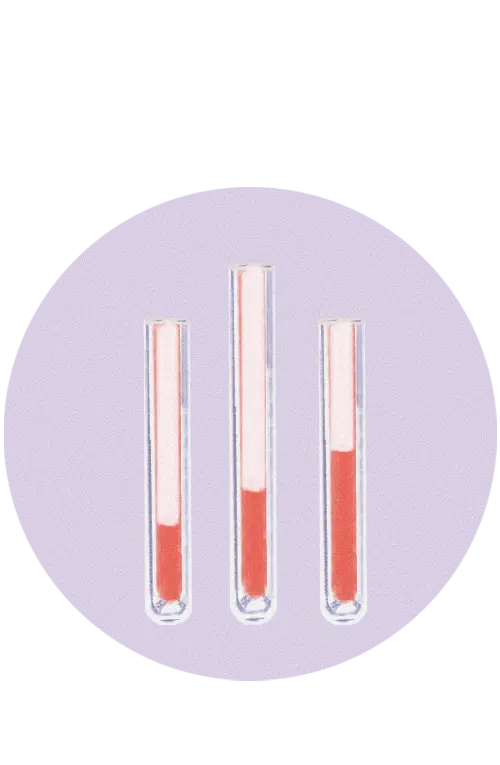
Read together rather than one line at a time, Margaret’s labs revealed a coherent story. Several lab values—sodium in the upper range, apparent expanded blood volume, low vitamin D, and hemoglobin at the low end of normal—together suggested her kidneys were under strain, in the absence of other clear explanations for her rising blood pressure.
Sodium retention is one of several possible contributors to hypertension, alongside arterial stiffness, weight, hormones, and genetics. Mild anemia is often one of the first hints that the kidneys are under strain—they tell the marrow to make red blood cells, and it makes less of that signal when the system is weakened.
Two of the most significant drivers of kidney damage over time are chronically elevated blood sugar and blood pressure levels, both of which injure the small blood vessels that make up the kidney’s filtering units.
For your physician, the useful questions are about the directions of these lab values, not just today’s snapshot. Ask not only whether your A1c and blood pressure are normal, but where they have been heading over the years, and ask for vitamin D, calcium, phosphorus, and a full blood count rather than single numbers in isolation.
For your own part, the most useful habit is steady hydration. Drink with intention throughout the day rather than in large volumes late at night, which mainly strains an aging bladder and disrupts sleep.
Through the Energetic Lens
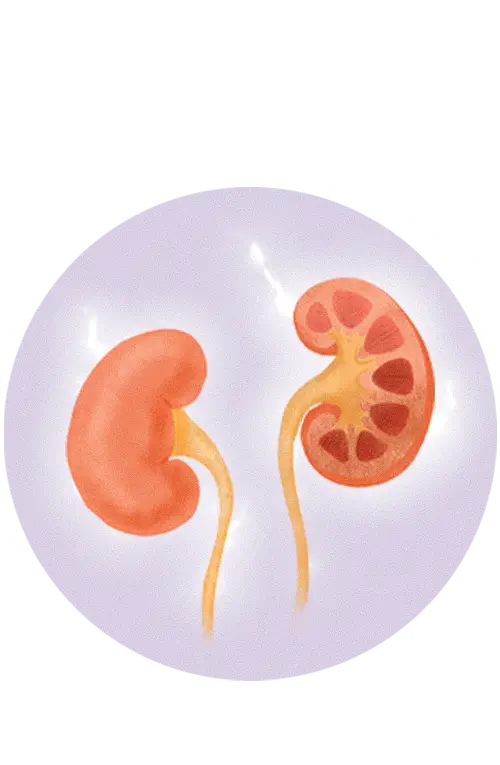
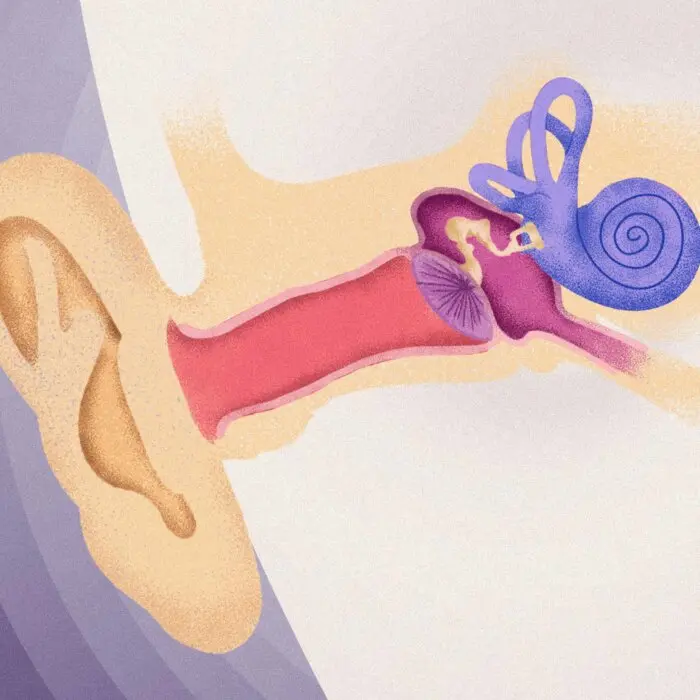
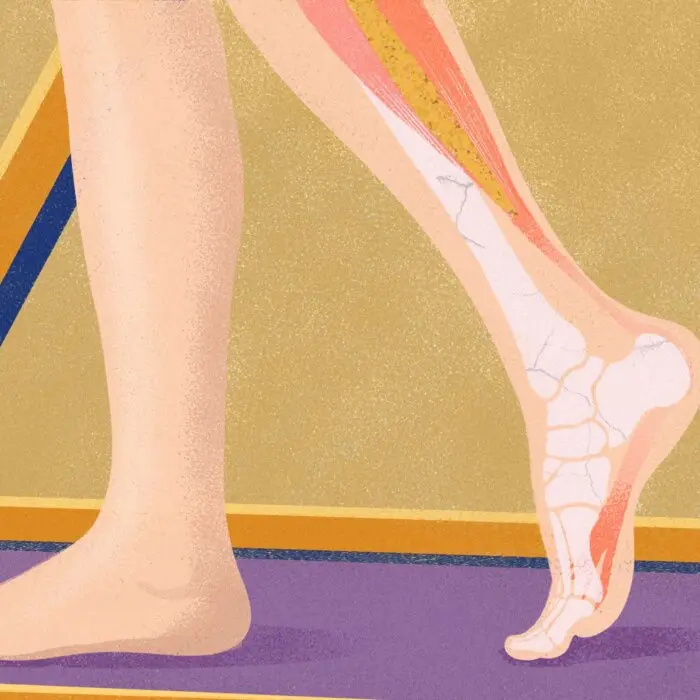
When TCM says the kidney “governs the bones,” “opens into the ears,” and “rules the gate of water,” they are describing much of what Western medicine now knows: that the kidney activates vitamin D for bone, shares developmental pathways with the inner ear, and regulates the body’s water through urine. The language is different, but the organ described is the same.
Essence is thought to be rapidly depleted by chronic overwork, too little sleep, untreated illness, and prolonged fear and unrelenting stress. When the essence runs low, TCM associates the loss with a cluster of symptoms aging kidneys produce: a weak, sore lower back and knees, ringing in the ears, thinning bones, early graying, declining fertility, frequent waking to urinate, and a pervasive sense of cold, especially in the hands and feet.
Margaret’s cluster of symptoms mapped onto much of this traditional picture.
Practical measures to address these root causes of kidney decline include protecting sleep, which is when the essence is restored; keeping the lower back and feet warm, since in TCM the kidneys dislike cold; and working with a trained practitioner on acupuncture and classically prescribed herbs. In my clinical experience, such an approach is often what produces the gains that medication management alone can not create.
The Role of Chronic Stress
The fourth dimension is the one no lab can measure, and, in Margaret’s case, matters most of all.
TCM pairs each organ with an associated emotion. The idea is not that the organ feels that emotion, but that the two are so closely linked that a lasting excess of the emotion wears on the organ, and a weakened organ makes that emotion easier to fall into.

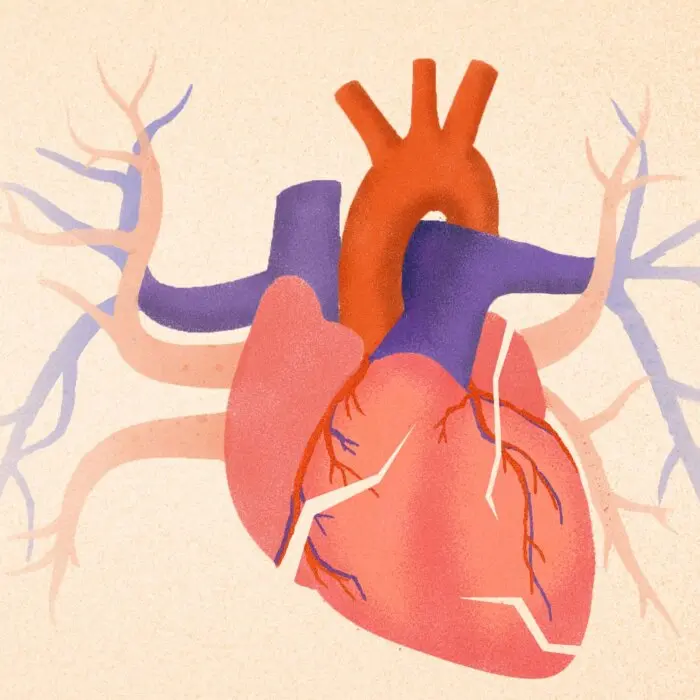
The emotion associated with the kidneys is fear. Not the sharp fear of immediate danger, but deep, chronic, low-grade fear. The tradition holds that sustained fear depletes kidney essence over time.
A compatible, evidence-supported picture in Western medicine is that chronic fear and anxiety keep the body’s stress-response system switched on, elevating cortisol and adrenaline. Over time, a constantly activated fight-or-flight state can contribute to higher blood pressure, blood sugar dysregulation, and disrupted sleep—all recognized risk factors for kidney damage. Fear, in other words, is not only a feeling about the illness; it becomes part of the machinery of the illness.
When I asked Margaret about the dread she had mentioned in passing, the conversation changed. She told me she had watched her own mother decline slowly into dialysis and dependence, and that some part of her had spent years bracing to follow the same path.
The bracing had become a way of living. She woke at night not only because her bladder called, but because her body never fully stood down from the alarm. The fear of failing kidneys had been helping her kidneys fail.
What I coach patients like Margaret to do is concrete. We name the fear out loud, because a fear that is named tends to lose part of its grip on the body. We treat the broken sleep and the chronic fear as a single problem, since each feeds the other and both erode the kidneys.
In working with patients in this situation, I often combine approaches—including psychodynamic and cognitive behavioral therapy, along with acupuncture—aimed at reducing chronic stress. For Margaret, the change was not abstract. Her blood pressure eased, she stopped waking up in the middle of the night, and the unknown dread began to lift.
Reading the Kidneys as a Single System
Margaret’s physician was not wrong about any of the individual findings. Her kidneys were mildly reduced; her imaging and labs showed as much. Her blood pressure did need attention. Her nighttime waking was, in part, due to an aging bladder. The gap was in the fragmentation: each finding reviewed in isolation, without asking how they might connect.
The ACES Model exists to ask that question. The anatomy showed a filter and a reservoir wearing down. The chemistry showed a master regulator losing its grip. The energy revealed the depleted essence beneath the previous two dimensions. The soul uncovered the chronic fear that was actively accelerating it all.
Treating any one dimension alone would have left the others free to keep doing their damage. Working on all four at once—protecting the nephrons, steadying the chemistry, restoring the reserve, and quieting the fear —is what allowed Margaret’s body to settle in a way that years of added medication never had.
The kidneys tend to fail without initial symptoms. Catching the pattern early across all four dimensions makes the decline visible early enough to change, and the fear that accelerates it becomes something a patient can finally set down.