This copy is for your personal, non-commercial use only. Distribution and use of this material are governed by our Subscriber Agreement and by copyright law. For non-personal use or to order multiple copies, please contact The Epoch Times Reprints.
Fourty-five days. That’s how long many of us in northern latitudes must wait before sunlight can help our bodies produce vitamin D again. Winter isn’t just about cold days and snow-covered streets—it’s a season when the sun, at least in its vitamin-generating form, disappears from our lives.
Even under a bright Vermont sky, my body probably won’t produce a single molecule of vitamin D in winter. From November through February, the sun sits too low in the sky to provide the UVB rays needed for vitamin D production across most of the United States. Only 15 states lie entirely below the 37th parallel, where sunlight remains strong enough year-round.
Lack of sunshine can take a serious toll on our health. Vitamin D, essential for strong bones, a healthy immune system, and mental well-being, relies primarily on sun exposure. Research even suggests that avoiding sunlight may be as harmful to health as smoking.
The search for light during the darkest months is nothing new. Indigenous peoples across the Americas revered the sun as a sacred force essential to life.
The Lakota Sioux performed the Sun Dance to honor its life-giving power, while the Inca celebrated Inti Raymi, a winter solstice festival calling for the sun’s return. These traditions highlight a deep connection to nature’s rhythms—something modern society can embrace as we seek ways to stay healthy and hopeful in winter.
How to Stay Healthy When Sunshine Is Scarce
When the sun isn’t an option, you can still fill the gap:
Let Technology Help
Apps like Dminder track UVB exposure based on your location, showing when your body can produce vitamin D and when you’ll need other sources.
Eat the Sunshine
Vitamin D is scarce in most foods, but there are a few that can help. Fatty fish like salmon, mackerel, and sardines are top natural sources. Egg yolks and UV-exposed mushrooms can also provide a boost.
Take a Supplement
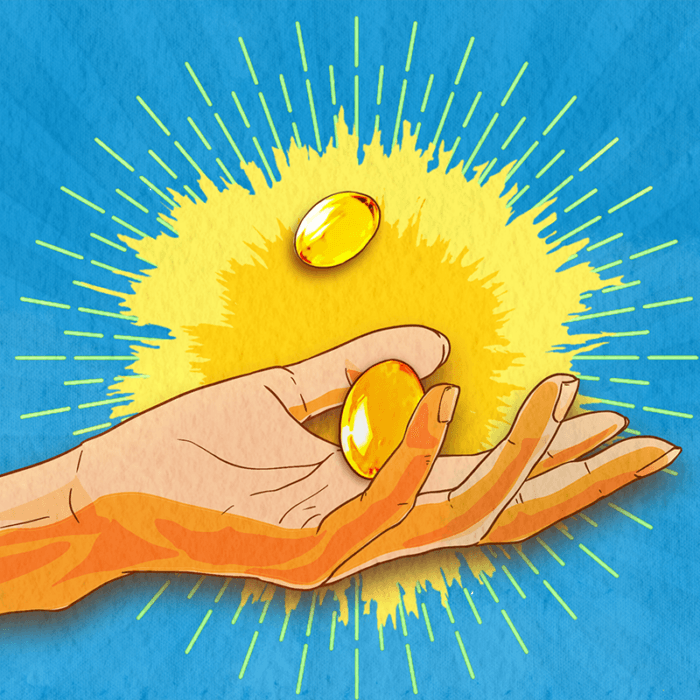
A vitamin D supplement is often the simplest solution. Many experts recommend a D3 paired with K2 for better absorption. Consult a health care provider to determine the right type and dose for your needs.
Take a Trip
Consider a winter getaway to a sunny destination. Locations closer to the equator, such as Florida, Hawaii, or southern California, offer UVB-rich sunshine year-round.
Use a Sun Lamp
Bright light therapy lamps can mimic the effects of natural sunlight, helping regulate your mood and sleep patterns. While most won’t help the body produce vitamin D, research shows that some, such as the Sperti D, may help.
Find Your Own Light
Sunshine isn’t just physical—it’s emotional, too. Sitting near a sunny window, watching a sunrise, taking a brisk walk during the brightest part of the day, or lighting a favorite candle can help lift your spirits.
Looking Toward the Light
Winter can feel endless, but spring always returns, bringing the sunlight and warmth we crave. The sun’s cycles are inevitable, and even in its absence, there are ways to connect with its power.
Finding your “sunshine” is about more than vitamin D—it’s about small, intentional actions that keep you healthy and hopeful, even on the grayest days. The sun may be hidden, but your ability to thrive is always within reach. Let this be the season where you discover your light in every sense of the word.
Sheramy Tsai, BSN, RN, is a seasoned nurse with a decade-long writing career. An alum of Middlebury College and Johns Hopkins, Tsai combines her writing and nursing expertise to deliver impactful content. Living in Vermont, she balances her professional life with sustainable living and raising three children.