This copy is for your personal, non-commercial use only. Distribution and use of this material are governed by our Subscriber Agreement and by copyright law. For non-personal use or to order multiple copies, please contact The Epoch Times Reprints.
Kiera Parker was just 14 when she began experiencing sharp, sudden pain in her abdomen. Initially dismissed as menstrual cramps, the pain intensified, and she started seeing blood in her urine and having recurring urinary tract infections. An emergency room visit revealed a large kidney stone requiring immediate surgery.“The pain was unbearable,” Parker told The Epoch Times. “I couldn’t sleep, eat, or even speak with my parents.” Since her first episode in January 2019, Parker—a healthy athlete—has endured three kidney stone surgeries, each followed by stent placement, which she describes as “more painful than the stones themselves.” Once, doctors warned that her ureter—the tube carrying urine from the kidney to the bladder—might burst.“I’ve had about 50 ultrasounds,” Parker said. “I’ve never had a clean scan. No matter what I do, the stones are still there.”
Her case highlights a troubling trend: a rise in the prevalence in children of kidney stones, once rare in young patients.
Sharp Rise in Surgeries
“Numerous studies consistently report a stunning increase in urinary stone disease among children and adolescents,” Dr. Guido Filler, a pediatric nephrologist and author of “asSALTed,” told The Epoch Times. “Kidney stones are appearing at younger ages and are increasingly affecting females.”
A 2023study in Frontiers in Medicine reported a 46 percent rise in kidney stone surgeries in Ontario, Canada, from 2002 to 2016, with the percentage of female pediatric cases increasing from 44 percent to nearly 63 percent by 2018. In the United States, the condition is also rising, with adolescent girls ages 10 to 17 seeing the largest increases, according to the research. The growing prevalence of kidney stones has prompted leading institutions, such as the University of Michigan, Children’s Hospital of Philadelphia, and Boston Children’s Hospital, to establish specialized pediatric stone clinics. These centers are designed to provide tailored care and address the needs of a rising number of young patients.
The trend is taking an enormous financial toll. Astudy published in 2014 in The Journal of Urology found that the median price tag for a single inpatient visit for a pediatric kidney stone is approximately $14,000, with national costs reaching hundreds of millions annually. Indirect costs, such as missed school and lost work hours, add to the burden, which is expected to grow as cases rise.
Calcium to Blame
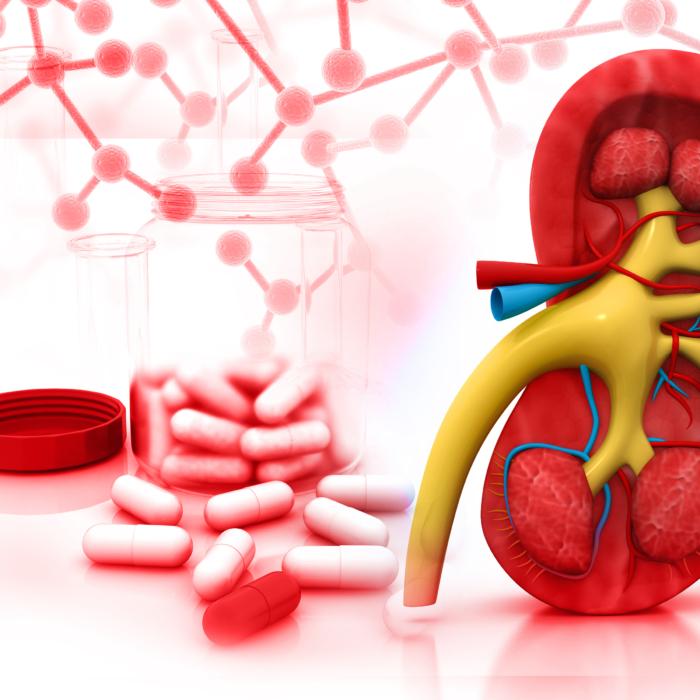
Kidney stones are hard deposits that form in the kidneys and cause intense pain when moving through the urinary tract. They develop when substances such as calcium or oxalate in urine become overly concentrated and form crystals. Calcium-based stones are the most common in children. Treatment depends on the stone’s size and severity. Small stones often pass naturally with hydration and pain relievers; medications may help relax the ureter.
Large stones may require ureteroscopy (a scope to remove or break up stones) or shock-wave lithotripsy (sound waves to fragment stones.
If there are complications such as infections or blockages, antibiotics or emergency procedures may be required.
‘Perfect Storm’ for Stones
Pediatric kidney stone cases are rising in developed countries, causingexperts to label them a “lifestyle disease“ linked to diet, environment, and sedentary habits.
“The rising incidence of kidney stones in children and adolescents is driven by multiple interconnected factors,” Filler said.
Processed foods, common in children’s diets, fuel kidney stones. According to Filler, their high sodium content increases calcium in the urine, while fewer vegetables mean less citrate, a compound in lemons and broccoli that helps prevent stones. This high-salt, low-vegetable diet creates a perfect storm for kidney stones. Dehydration is a major factor in the development of kidney stones, according to Dr. Joel Warsh, an integrative pediatrician.
“Many children do not consume enough water, relying instead on sugary beverages that can exacerbate the risk of stone formation,” he told The Epoch Times. More than half of U.S. children are chronically dehydrated, according to astudy in the American Journal of Public Health. Researchers found that 54.5 percent of kids ages 6 to 19 had inadequate hydration.
Inactivity compounds the problem. Results from a population-based study published in the International Journal of Surgery indicated a trend toward higher stone rates among inactive children, as prolonged sitting fosters metabolic changes that promote stones.
Rising global temperatures amplify this risk by increasing sweating and dehydration, which lead to more concentrated urine—a known factor in stone development. Low daily water intake only worsens these effects.
Emerging environmental concerns such as microplastics, tiny particles derived from plastics, add another layer of complexity. Phthalates, chemicals commonly used to make plastics more flexible, can leach into food and water from packaging. When excreted in urine, these substances might act as “seeds” for kidney stone formation.Researchers suspect that children, particularly girls, may be more vulnerable, although further studies are needed to confirm the extent of the substances’ effects.
Unlike for adults, adolescent stones seem unrelated to weight, Filler said. Instead, metabolic, hormonal, and genetic factors are believed to play larger roles.
TheUrinary Stone Disease Hub (USDHub), which is funded by the National Institutes of Health, is working to uncover kidney stone risk factors and ways to prevent them. The five-year, $7.37 million initiative will analyze data from more than 230,000 patients across nine U.S. health systems.
“This project is centered on improving the research infrastructure and community around kidney stone disease,” Dr. Ryan Hsi said in a statement.
Using AI and clinical expertise, USDHub will examine CT scans, stone composition, and metabolic profiles.
Still, much remains unknown, and understanding these complex factors will take time and further investigation.
Is Salt Really the Problem?
Although high-sodium diets are often linked to kidney stones, not all experts agree that salt is the primary culprit. Dr. James DiNicolantonio, a cardiovascular research scientist and author of “The Salt Fix,” argues that dehydration—not sodium—remains the most significant risk factor.
“The biggest risk factor for kidney stones is dehydration, and not consuming enough salt is one way that people don’t drink enough water,” DiNicolantonio told The Epoch Times.
He said that salt consumption can increase thirst, encouraging better hydration, which dilutes urine and reduces the concentration of stone-forming substances.
“Clinical studies have shown that consuming more salt—if combined with an increased fluid intake—can actually reduce the incidence of kidney stones,” he said.
A small study in The Journal of Urology supports this view. Researchers found that adding salt to the diets of eight patients with recurrent calcium oxalate stones boosted urine output by nearly a liter per day without increasing urinary calcium levels.
Rather than demonizing salt, DiNicolantonio points to sugar as the bigger threat. He said high sugar intake increases acid and calcium excretion in the urine, contributing to stone formation. Sugary beverages, such as soda, are particularly problematic, as they dehydrate the body and make urine more concentrated.
Sugar-sweetened beverages such as soda and punch significantly increase the risk of kidney stones, withresearch showing a 23 percent higher risk in those drinking the highest levels of cola and a 33 percent increase for those consuming non-cola drinks. This is alarming given that sugary drinks are thetop source of added sugar for kids and teens, contributing from 10 percent to 15 percent of their daily calories. About one-quarter of U.S. adolescents consume more than 750 milliliters of these drinks daily—or more than 350 calories.However, some experts, such as Filler, highlight the success of national salt reduction policies in countries such as Finland, South Africa, and Argentina, which have reduced kidney stone rates. This underscores the issue’s complexity; both sugar and salt may play significant but context-dependent roles in stone formation.
Challenging Management
Diagnosing kidney stones in children presents unique challenges. While adults typically report classic symptoms such as back pain and blood in the urine, children often display vague signs such as abdominal discomfort or nausea. These subtler symptoms can delay diagnosis, increasing the risk of long-term kidney damage.
“Early detection and metabolic evaluation are critical to minimize complications,” Filler said.
With pediatric kidney stones recurring in nearly half of cases within two to three years, he stresses the importance of early intervention to prevent chronic kidney disease and other serious long-term risks.
Yet many young patients, such as Kiera Parker, face a frustrating lack of answers and effective care.
“They always just tell me I’m dehydrated, but I drink plenty of water,” she said. “It feels like no one knows how to help kids with this condition.”
Beyond the physical pain, the condition can profoundly disrupt a child’s life. For Parker, kidney stones forced her to quit soccer, a sport she loved, and left her feeling isolated and misunderstood.
“It makes me feel insecure about myself,” she said. “Sometimes I just want to stay in bed because it feels like there’s nothing I can do to make them stop.”
Children also face unique challenges during treatment because of their smaller anatomy and physiological differences. Parker recalls an excruciating stent removal after surgery.
“The doctor said my body was so small he struggled to remove it. It was the worst pain I’ve ever felt,” she said, highlighting how pediatric care can sometimes overlook these critical differences.
The combination of vague symptoms, limited specialized care, and inadequate treatment plans underscores the urgent need for better diagnostic tools and more comprehensive approaches to pediatric kidney stone care.
Preventing Pediatric Kidney Stones
Preventing kidney stones in children often comes down to lifestyle changes. While experts debate the role of sodium, they agree on the fundamentals: Prioritize hydration, cut sugary drinks, increase exercise, and emphasize fresh fruits and vegetables to help balance urinary acid levels.
“Parents should focus on fostering healthy dietary habits from an early age—increasing fresh fruits and vegetables, reducing processed foods, and ensuring hydration are all crucial steps,” Warsh said.
Filler recommends limiting sodium to 1,500 milligrams daily and drinking 1.5 liters to 2 liters of water to maintain clear or light-yellow urine, as darker urine colors may be caused by dehydration. Other tips include eating more citrate-rich foods, such as lemons and broccoli, and avoiding processed snacks and drinks.
Meanwhile, DiNicolantonio advocates moderate salt intake and proper hydration to boost thirst and increase urine output.
These small but consistent changes could significantly reduce the risk of stone recurrence.
Staying active is also essential. Research shows that prolonged sitting increases the risk of kidney stones, while vigorous exercise appears to lower it. Even small changes, such as standing up and moving during breaks, can make a difference. Experts strongly encourage incorporating regular physical activity into daily routines to counter the harmful effects of a sedentary lifestyle.
Family involvement is vital. Filler said encouraging kids to stay hydrated, watch their sodium intake, and eat balanced meals can lower recurrence rates by up to 70 percent.
However, it takes a village. He emphasized the importance of public education campaigns on hydration and diet for parents, schools, and communities. These initiatives and research such as that of USDHub could reshape how kidney stones are prevented and treated, particularly for young patients.
For families such as Parker’s, prevention is a daily battle. Despite her relentless efforts, the stones persist, forcing her to adapt and live with the condition. Nevertheless, she remains determined.
“I’m yet to find someone or something to help the stones, but I’m not giving up!” she said.
Parker advised others to continue to advocate for themselves, emphasizing the need to push for answers and proper care. Her resilience highlights the importance of proactive care and ongoing research, offering hope to young patients navigating the challenges of kidney stones.
Sheramy Tsai
Author
Sheramy Tsai, BSN, RN, is a seasoned nurse with a decade-long writing career. An alum of Middlebury College and Johns Hopkins, Tsai combines her writing and nursing expertise to deliver impactful content. Living in Vermont, she balances her professional life with sustainable living and raising three children.