Kendra Watts was stunned when her son came home from school yelling and crying to the point of his veins popping out of his neck. Just months before, it was out of character for the 9-year-old with attention-deficit/hyperactivity disorder (ADHD) to ever raise his voice.
It dawned on her that the drug that was supposed to help him was altering his personality one frustrating fit at a time.
Her son took stimulant medication with minimal issues for years, until he had to switch to a new medication under the family’s insurance plan. Watts quickly discovered what many ADHD parents have learned: Medication can be a minefield.
Medication Mismatch
There are two main types of medication—stimulants and nonstimulants—and about 30 stimulant formulations for doctors to choose from that have a variety of immediate-release and extended-release ratios.Different kids respond to different release times. Watts’s son’s medication changed from Concerta—an extended-release medication—to Focalin XR—a half immediate-release drug, which gives a strong delivery in the morning and a delayed afternoon release. The surges jolted his system, giving him dramatic emotional and energetic peaks and valleys.
Nonstimulants work well for some children, but many require stimulants to see a meaningful effect.

“Some children do very well with stimulants,” Dr. Daniel G. Amen, a psychiatrist and founder of Amen Clinics, told The Epoch Times in an email.
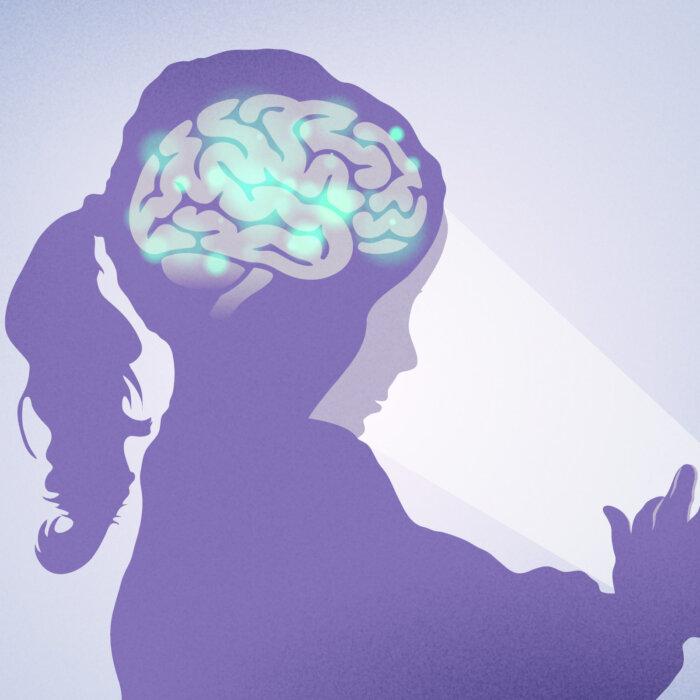
Stimulant medication tends to be most beneficial in children with moderate to severe symptoms, demonstrated problems with behavior or school, a strong family history of ADHD, and patterns of low activity in the prefrontal cortex, which governs focus, Amen said.
However, stimulants come with more intense side effects such as decreased appetite, sleep problems, irritability, increased anxiety, dry mouth, headaches, and stomachaches. Therefore, some children have to deal with these downsides.
Watts’s two children responded well to Concerta, but experienced appetite suppression. They learned to eat lunch even if their brains were not relaying hunger signals.
Nonstimulant alternatives can be considered for children who have anxiety, do not tolerate stimulants, or have sleep or appetite problems, Amen said. Common nonstimulants include atomoxetine (Strattera) and guanfacine (Intuniv). They are not as potent and take longer to work—four to 12 weeks of continuous use before effects are seen.
When and how fast stimulants should be released remains a puzzle for many patients, leading to new drug formulations such as evening-dosed, delayed- and extended-release methylphenidate, which goes by the brand name Jornay PM. Often, the time-release schedule that works best will depend on when the child most needs symptom relief, because stimulants are not designed to work on 24-hour cycles; nonstimulant drugs, however, work around-the-clock.
Side Effects That May Lead to Discontinuation
Side effects are a big reason for children discontinuing their medication.However, it also left them feeling “flat” or “numb” to the point that they stopped taking it.
“A few reported a sense of losing their personality, stating: ‘I am more myself without medication,’” the authors noted.
Treating the Wrong Problem
Sometimes the medications do not work as expected because the child may not have ADHD in the first place. Just because children cannot sit still, be compliant, or finish schoolwork does not always mean that they require a diagnosis.Clinical psychologist Gretchen LeFever Watson told The Epoch Times that in an effort to help children, a number of doctors and teachers are overstepping their roles in some cases to suggest medication for symptoms that may or may not be ADHD.
Dr. Allen J. Frances, a retired Duke University psychiatrist and ADHD expert, one of the most prominent critics of diagnostic overreach in American psychiatry, describes the rush to label behavior as ADHD as a societal indoctrination and insists that the true rate of ADHD is 2 percent to 3 percent. The current ADHD rate, he said, reflects systemic pressure rather than clinical reality.
“The U.S. rate of 11 percent is caused by pharma pill pushing, careless docs who spend just a few minutes with the kid, worried and perfectionistic parents, and harried teachers,” he told The Epoch Times in an email.
“The only possible interpretations are [that] we have turned immaturity into mental illness and treat it with a pill, kids are taking pills they don’t need,” Frances said.
Doctors who are quick to prescribe might not be asking key questions, drilling down to other factors that could cause ADHD-like symptoms or impact how effective medication might be, Amen said.
Children who are eating junk food, spending excessive time online, staying up late, waking up early, and dealing with emotional stress are more prone to behavior issues. “These factors directly affect brain function—and how medication feels,” he said.
Medication Remains a Key Strategy
However, if a child does have ADHD and his or her symptoms persist and are clearly interfering with many facets of life, medication is one treatment option to consider.Watts said medication was the right decision for her children, so she appealed the medication change to her insurance company and won. Both of her children, who are now adults, are successfully back on Concerta. Her daughter, now a teacher, vocalized as a young child the relief of being able to hold only one thought in her head, Watts said, and her son, who is currently in college, lost the faraway look in his eyes and became mentally engaged.
When Medication Is Not the Right Tool
Even if the right medication was used, it may not always be the best answer; some children need a different treatment approach altogether.One example of a non-drug approach is training parents and teachers in behavior management strategies—a method that Watson applied in a Virginia program in the mid-1990s. The program emphasized positive reinforcement, less discipline, and appropriate use of time-outs. Over six years, it produced a 32 percent decrease in ADHD diagnoses in a region where 17 percent to 19 percent of children had been labeled with the condition—with 84 percent of those taking medication—figures that were unusually high.
The program was eventually shut down following an anonymous complaint alleging that Watson was fabricating high diagnosis rates as part of an anti-medication agenda. She was later fully exonerated, but the program was never restored.
Other evidence-based strategies include boosting protein intake and lowering sugar intake, prioritizing sleep, getting daily exercise, limiting screen use, and using targeted nutrients such as omega-3 fatty acids, magnesium, and zinc, Amen said.
Slowing Down
Like Watts, most parents gain medication feedback through trial and error. Although her children both feel like medication is the right treatment for them, some families struggle through many medications and may never find the right fit. In the absence of clear longitudinal evidence, decisions remain murky.Universally relying on medication, although it gives short-term benefits, can have long-term adverse consequences, Watson said.
Treatment decisions should steer clear of a universal quick fix, Watson said
“We’re trying so early on to get everybody on the same path,” she said. “We have to get people not to be so afraid and slow things down and to remember with the young years, it’s okay not to be top of the class.”