The kitchen serves as a place for preparing food but can also be a breeding ground for bacteria and mold. Everyday kitchen items, such as sponges, dishcloths, and cutting boards, create environments where microorganisms can thrive. So how can we prevent these microorganisms from contaminating our food? Shao-Hung Wang, an associate professor in the Department of Microbiology, Immunology, and Biopharmaceuticals at National Chiayi University in Taiwan, introduced methods to avoid the growth of pathogenic bacteria in the kitchen on the Epoch Times’ “Health 1+1” program.
Sponge Maintenance Guidelines
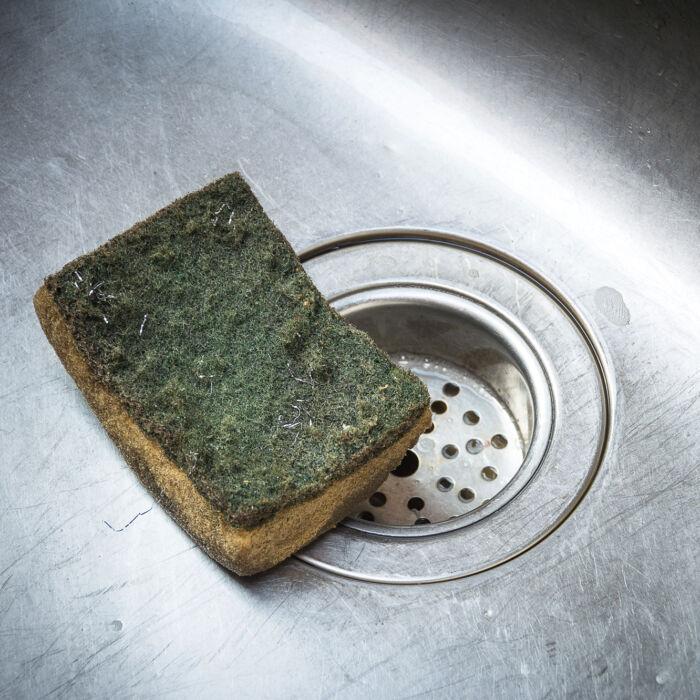
Kitchen sponges and dishcloths can be challenging to completely dry, especially in subtropical regions. After using a dishcloth or kitchen sponge, cleaning them with a suitable detergent is advisable to reduce the microbial load that may linger on them. You can also disinfect kitchen sponges and dishcloths by boiling them or using a diluted bleach solution. These methods effectively kill harmful bacteria or microorganisms that could pose a risk to human health.The recommended ratio for cleaning dishcloths and kitchen sponges with a bleach solution is 1:250. For example, mix 40 cubic centimeters of bleach with 10 liters of water. Submerge the dishcloths or sponges in this solution for 30 minutes, and then rinse them thoroughly to clean and disinfect effectively.
Rinse the Cutting Board Before Use, Scrub It After Use
Cutting boards are another item in the kitchen that can easily harbor bacteria. Cutting boards can develop grooves and crevices during use, especially from knife cuts. Blood and juices from meat and fish can seep into these crevices, providing an ideal environment for microbial growth. This is particularly concerning when dealing with animal organs or fish gills, as they contain a high concentration of microorganisms, potentially leading to the transmission of zoonotic diseases like Salmonella to humans.- Before use: Rinse the cutting board with clean water to moisten it, as dry cutting boards can absorb more blood or juices.
- After use: Use a brush to scrub it, and avoid using a cloth or sponge for cleaning. The fibers in a cloth or sponge may push meat particles or liquid into the crevices of the cutting board, making it easier for microorganisms to access nutrients. Cleaning with a brush and water is the most effective way to remove dirt and bacteria from these crevices. You do not need to use a detergent every time, as detergents can also seep into the cutting board.

If the cutting board develops an unusual odor and you are hesitant to replace it, Mr. Wang recommends cleaning the cutting board with a solution of diluted bleach or white vinegar to remove the scent. You can also try placing the cutting board under direct sunlight, which can help disinfect and remove odors. However, if the smell persists despite these efforts, it is advisable to replace the cutting board.
Uncoated Cutting Boards Are Better
When choosing the suitable material for a cutting board, Mr. Wang advised against selecting coated cutting boards. Coated cutting boards may contain solvents, and toxic substances could remain in the paint fibers. Moreover, coated cutting boards seal the natural crevices of the wood, making them less likely to dry properly and creating an environment conducive to bacterial growth.Cutting Boards Hygiene Ranking
So which cutting boards are the most hygienic? According to Mr. Wang, opt for harder materials if you want a cutting board that does not retain knife marks and is easy to clean. Examples include ceramic cutting boards, tempered glass cutting boards, or even stainless steel cutting boards.Additionally, you can choose uncoated bamboo or wooden cutting boards. Although these boards may develop grooves from knife marks, thorough cleaning with water and a brush, followed by ensuring they are completely dried, will prevent any problems. If cutting boards do not dry thoroughly, they can become breeding grounds for molds.
Mr. Wang mentioned a news report about a couple diagnosed with late-stage liver cancer. It was found that the cutting board in their home was moldy, and their cause of cancer was suspected to be long-term ingestion of small amounts of aflatoxin. Mr. Wang emphasized that fungi are not inherently dangerous; what’s concerning are the mycotoxins they produce, including aflatoxin, a contributing factor to liver disease.
Antimicrobial Tips for the Refrigerator
The U.S. National Sanitation Foundation (NSF) conducted surveys to identify the areas in homes with the highest bacterial contamination. The results revealed that the top two areas were refrigerators’ vegetable and meat compartments.So how can we reduce mold and bacterial growth in the refrigerator? First of all, avoid overloading the fridge. Mr. Wang mentioned that refrigerators come in two main types: direct cooling and air cooling. Older refrigerators often use direct cooling, where the cooling coils are in direct contact with the refrigerator’s walls. If the fridge is stuffed with food, it can impede air circulation, leading to inadequate cooling and food preservation. Newer air-cooled refrigerators distribute cold air evenly through vents, so be careful not to block these vents, or the refrigerator may not cool effectively.