This copy is for your personal, non-commercial use only. Distribution and use of this material are governed by our Subscriber Agreement and by copyright law. For non-personal use or to order multiple copies, please contact The Epoch Times Reprints.
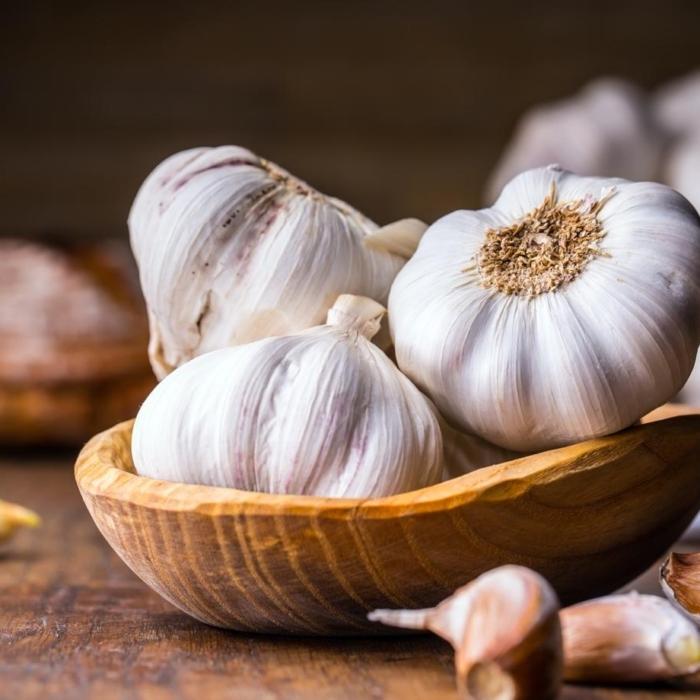
Garlic, an ancient plant belonging to the onion family Alliaceae, possesses desirable dietary and medicinal properties. Over the years, numerous research reports published in reputable journals have consistently confirmed garlic’s various beneficial pharmacological effects. These include antibacterial, anti-thrombotic, anti-arthritic, and blood sugar-lowering properties. Notably, multiple studies suggest that eating garlic can effectively reduce the risk of cancer.
However, despite the numerous benefits of garlic, its consumption requires careful consideration to prevent adverse effects. What are the notable beneficial effects and potential side effects of garlic? And how can garlic be consumed correctly for maximum health benefits? In this article, we'll delve into these topics in detail.
Research Confirms Garlic’s Potent Anti-Cancer Properties
Garlic, a food consumed by humans for millennia, is widely acknowledged for its health benefits. The primary active compound in garlic is allicin, a sulfur compound produced in the presence of oxygen and a specific enzyme in garlic. An increasing body of research confirms that garlic contains a variety of active components that can effectively inhibit the occurrence and development of cancer.
In September, a comprehensive review, published in the European Journal of Nutrition, conducted a meta-analysis of 61 research articles and confirmed garlic as a rich source of compounds with anti-tumor potential. Garlic extract and several of its individual components, particularly organosulfur compounds such as allicin, were found to exhibit cytotoxic, cytostatic, anti-angiogenic, and anti-metastatic activities in various in vitro and in vivo models of colorectal cancer.
In March, a review published in Frontiers in Pharmacology stated that the anti-cancer action of garlic is among the most extensively studied among its various beneficial pharmacological effects. Garlic has been shown to reduce the risk of cancer significantly. Various garlic-derived constituents and their nanoformulations have been tested for efficacy against various cancers, including oral, skin, ovarian, prostate, breast, lung, gastric, colorectal, liver, and pancreatic.
A comprehensive review published in the European Journal of Nutrition in 2021 reviewed epidemiological and experimental evidence on different types of garlic and their anti-cancer and antioxidant activities. The article highlighted that garlic and its rich flavonoids and organosulfur compounds possess potent anti-cancer properties. Animal and cell studies suggested that garlic and its organosulfur compounds can inhibit carcinogenesis through various pathways, including inducing apoptosis, suppressing cell proliferation, scavenging reactive oxygen species (ROS), reducing tumor size, and enhancing the activity of enzymes such as glutathione S-transferase.
Epidemiological studies indicated a significant association between garlic consumption and a reduced risk of colorectal cancer, but evidence for stomach, breast, and prostate cancer is inconsistent. The studies also suggested that the presence and potency of garlic’s active component, organosulfur, are related to garlic’s preparation and form. The researchers recommended further epidemiological and molecular studies to explore the impact of garlic on blood sugar levels and its antioxidant mechanisms.
A study involving 41,837 women aged 55 to 69 found that those who consumed one or two servings of garlic per week had a 35 percent lower risk of developing colon cancer.
In addition to its anti-cancer properties, research has confirmed garlic’s efficacy in protecting endothelial cells and lowering blood pressure. A study published in the Integrated Blood Pressure Control journal verified that garlic can effectively lower high blood pressure. The research found that garlic-derived polysulfides enhance the endothelium’s response to nitric oxide (NO) and stimulate the production of the vascular gasotransmitter hydrogen sulfide (H2S), thereby inducing smooth muscle cell relaxation, vasodilation, and a reduction in blood pressure.
The study further suggested that certain dietary and genetic factors can impact the efficiency of the H2S and NO signaling pathways, contributing to the development of hypertension. Sulfur deficiency may also play a crucial role in the development of hypertension, and supplementation with organosulfur compounds through garlic consumption can effectively alleviate its symptoms.
In short, the allicin found in garlic exhibits the following five beneficial effects:
Anti-cancer activity: Allicin can inhibit the growth and metastasis of cancer cells and enhance the immune system’s function.
Vasodilation and blood pressure reduction: Allicin can relax blood vessel walls, lower blood pressure, and improve blood circulation.
Improved insulin sensitivity and blood sugar control: Allicin can promote the secretion and action of insulin, thereby reducing blood sugar levels. It’s beneficial for individuals with diabetes.
Improved sexual function:A vasodilator, allicin can alleviate symptoms of male impotence and enhance sexual function, as impotence is often associated with poor blood circulation.
Anti-inflammatory and antioxidant activity: Allicin can combat damage from free radicals, safeguarding the functions of the liver and kidneys.
In addition to allicin, garlic contains other essential nutrients such as vitamin C, various sulfur compounds, and cysteine, which are beneficial for health. Cysteine can be converted into glutathione, the most important antioxidant in our body.
How to Properly Consume Garlic
Now that we’ve delved into the numerous benefits of garlic, let’s talk about the things to keep in mind when consuming it to ensure its effectiveness and avoid side effects. Here are some considerations:
Avoid excessive processing: Overcooking garlic by boiling, roasting, or steaming for too long can damage its active components and diminish its benefits. It’s best to consume it raw or lightly sautéed.
Chop or crush it: Chopping or crushing garlic is essential to generate sufficient allicin. Let it rest in the open for five to 10 minutes before consumption for optimal benefits.
Avoid overeating: Generally speaking, eating one to four cloves of fresh garlic per day is sufficient. Overconsumption may lead to adverse effects such as bad breath, gastrointestinal irritation, and allergic reactions.
Be cautious eating it if you’re one of these people: Those prone to gastrointestinal ulcers, bleeding tendencies, on anticoagulant medications, or preparing for surgery should limit their intake of garlic. Garlic has anticoagulant effects, which may exacerbate bleeding. Pregnant and breastfeeding women should also exercise caution, as garlic may affect the taste of breast milk, potentially impacting the health of the fetus or infant.
Garlic supplements as an alternative: If you aren’t fond of eating garlic, you can opt for garlic supplements, available in various forms and doses. However, it’s crucial to prioritize quality and safety. It’s advisable to use them under the guidance of a doctor.
In summary, garlic is a healthful food with various benefits, including cancer prevention, blood sugar reduction, and improved sexual function. Incorporating garlic into our diet in moderation can contribute to overall well-being. However, it’s crucial to not rely solely on one type of food, as diet is just one of the many factors that influence health; paying attention to other health habits such as exercise, sleep, and stress is equally vital for promoting health and longevity.
Views expressed in this article are the opinions of the author and do not necessarily reflect the views of The Epoch Times. Epoch Health welcomes professional discussion and friendly debate. To submit an opinion piece, please follow these guidelines and submit through our form here.
Jingduan Yang
M.D.
Dr. Jingduan Yang is a board-certified psychiatrist and fifth-generation classical Chinese medicine physician whose work bridges Western psychiatry, functional medicine, and ancient healing traditions. He is the creator of the ACES Model of Health and Medicine—a four-dimensional framework spanning anatomy, chemistry, energy, and spirit—and the author of “Facing East” and “Clinical Acupuncture and Ancient Chinese Medicine.” As a principal founder of the Northern School of Medicine and Health Sciences, he advances whole-person care grounded in science, ethics, and humanity.