In recent years, turmeric has gained widespread recognition in the health and wellness community, and it is celebrated for its beneficial properties. However, excessive intake of curcumin—the primary active component in turmeric—may trigger inflammation and even lead to liver damage.
Food Pairings to Enhance Turmeric Absorption
Several strategies have been identified to optimize the bioavailability of turmeric, thereby maximizing its health benefits. On the “Health 1+1” program, Zhang Weijun, a Traditional Chinese Medicine (TCM) practitioner in Taiwan and fifth-generation successor of the esteemed TCM family Huai Sheng Tang, shares valuable insights on food pairings that can enhance turmeric absorption.Black Pepper
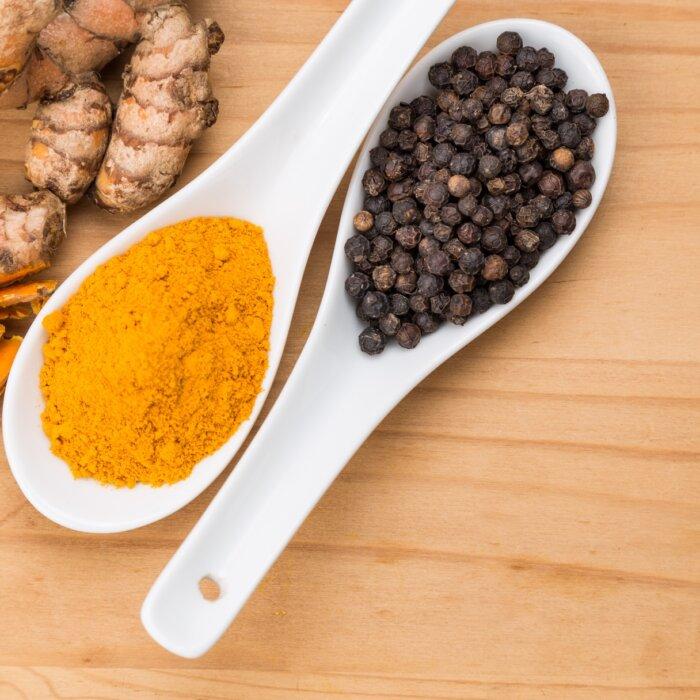
Curcumin has anti-inflammatory, antioxidant, and anti-cancer properties. However, it has low bioavailability due to poor absorption in the human body. A 2024 review showed that consuming curcumin alongside piperine—the key active component of black pepper—can significantly enhance its bioavailability.Despite these benefits, both turmeric and black pepper can be stimulating to the digestive system, potentially causing irritation or discomfort, according to Zhang. He recommends mixing turmeric powder and black pepper powder in equal proportions and consuming 0.04 ounces (1 gram) immediately after meals to minimize stomach irritation.
Onions
Pairing onions with turmeric can significantly boost its antioxidant effects.Healthy Fats
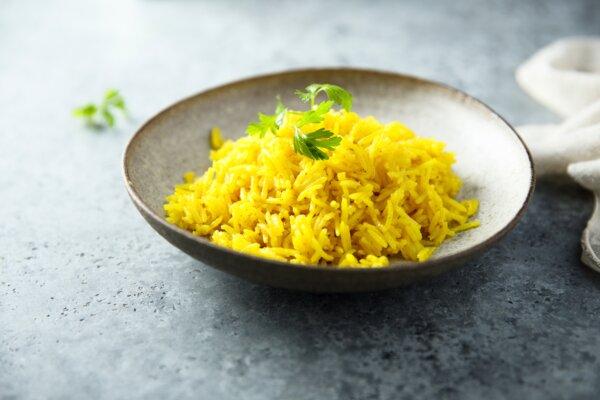
Curcumin is fat-soluble rather than water-soluble, meaning it is more effectively absorbed when consumed with dietary fats. For instance, chicken curry—a classic dish—contains natural fats that enhance curcumin absorption in the body.Zhang shared a simple and delicious recipe for Southeast Asian-Style Nasi Kunyit (Turmeric Rice).
- 7.1 ounces (200 grams) rice
- 6.8 fluid ounces (200 milliliters) water
- 3 tablespoons coconut milk
- 1 tablespoon olive oil
- 1 to 2 cloves garlic, thinly sliced
- 4 stalks lemongrass
- 1 teaspoon turmeric powder
- Rinse the rice thoroughly, soak it in water for 15 minutes, then drain.
- Peel off the outer layers of the lemongrass and lightly crush the bottom quarter of each stalk. Set aside.
- Place the drained rice in a rice cooker. Add olive oil, sliced garlic, turmeric powder, and lemongrass. Pour in the water and coconut milk.
- Cook the rice in the rice cooker as usual. Once done, fluff the rice and serve.
Brain-Boosting Turmeric Recipe: Turmeric Soy Milk
For those seeking cognitive benefits, a daily serving of turmeric soy milk can be beneficial.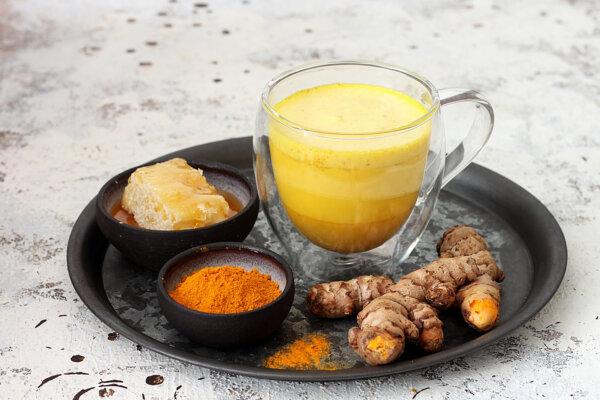
Each morning, mix ½ teaspoon of turmeric powder into 15.2 fluid ounces (450 milliliters) of organic soy milk and stir well before drinking. For added benefits, you can also include two tablespoons of soy lecithin.
This recipe is particularly recommended for people experiencing memory decline, reduced verbal fluency, impaired short-term memory, or decreased learning ability.
Turmeric’s Immediate Health Benefits
Beyond its culinary uses, turmeric offers a range of potential health benefits.Anti-Inflammatory Effects
Turmeric has strong anti-inflammatory properties and may help alleviate conditions such as arthritis, rheumatoid arthritis, and carpal tunnel syndrome.Anti-Allergic Properties
For people prone to allergies, taking turmeric powder during sudden allergic reactions may serve as an emergency remedy.Antifungal Effects
A 2022 study found that curcumin exhibits antifungal properties that can help inhibit Candida infections (fungal infections caused by Candida yeasts). Zhang noted that if, for example, vaginal discharge appears thick and curd-like, it is often a sign of Candida overgrowth. In such cases, consuming turmeric powder may help reduce the infection and alleviate symptoms.Additional Health Benefits of Turmeric
Turmeric not only provides immediate benefits but also contributes to long-term health in several ways. Curcumin has been shown to positively influence several key bodily functions.Prevents Blood Clots
Research has shown that curcumin can inhibit platelet aggregation, thereby reducing the risk of atherosclerosis (when plaque builds up inside the arteries) and blood clots.Supports Liver Health
A systematic review found that curcumin can enhance antioxidant capacity, prevent liver damage, and lower the risk of fatty liver disease.Promotes Bile Secretion
For people who follow a low-fat diet, insufficient fat intake may lead to reduced bile secretion, which can impair gallbladder function.Improves Insulin Resistance
One of the root causes of diabetes is not insulin deficiency, but reduced insulin sensitivity in cells—also known as insulin resistance.Protects the Stomach Lining
Studies have shown that curcumin can help protect the gastric mucosa from damage caused by NSAIDs (such as aspirin) and Helicobacter pylori bacterial infections.Consumption Precautions for Turmeric
Despite its many health benefits, caution is warranted regarding turmeric consumption.- Curcumin: 0 to 3 mg per kilogram of body weight. For example, for a 132-pound (60 kilograms) adult, the recommended daily intake is no more than 180 milligrams.
- Turmeric powder: Up to 3 grams per day for adults.
Conversely, yin energy is cool and moist, and frequent consumption of warming foods like turmeric and black pepper can deplete yin energy. When yin becomes deficient, yang grows overly dominant, causing symptoms such as thirst, insomnia, and constipation.
The liver is the body’s primary source of yin energy, Zhang noted. Overconsumption of warming (yang) foods can increase liver heat, potentially causing liver damage.
While black pepper enhances curcumin absorption, both turmeric and black pepper are highly warming in nature. Long-term or high-dose intake may lead to excessive yin depletion, increasing the risk of liver inflammation.
- Yellowing of the skin or eyes (jaundice)
- Dark-colored urine
- Nausea or vomiting
- Unusual fatigue or weakness
- Bloating, discomfort, or pain in the stomach or abdomen
- Loss of appetite
Who Should Limit or Avoid Turmeric?
The following groups should consult a doctor before taking curcumin supplements or consuming large amounts of turmeric:- People on anticoagulants or antiplatelet medications: Turmeric may inhibit platelet aggregation, which could increase the risk of bleeding.
- Diabetes patients: Those taking blood sugar-lowering medications should be cautious, as high doses of curcumin may cause hypoglycemia (low blood sugar levels).
- Pregnant and breastfeeding women: Turmeric may stimulate uterine contractions.
- People with gallstones or biliary disorders: Turmeric stimulates bile production, which could trigger adverse reactions in those with gallstones or impaired bile flow.
- People with kidney stones or impaired kidney function: Turmeric contains oxalates, which may increase the risk of kidney stone formation.
- People with iron deficiency: Some studies suggest that turmeric may interfere with iron absorption.
- People on immunosuppressants: Turmeric has immunomodulatory properties, which could interfere with immunosuppressive medications.
- People recovering from surgery or taking multiple medications: Turmeric may increase the risk of bleeding or interact with certain medications.