For decades, researchers have theorized that several genetic underpinnings play a critical role in the development of schizophrenia. But an investigation led by scientists at Emory University and Rutgers published in Science Advances reveals that a missing gene 3q29 could cause the psychiatric disorder due to the significant adverse impact its absence has on mitochondrial function.
To get to the bottom of the association between 3q29, mitochondria, and schizophrenia, researchers used two experimental models to examine the impact such a loss has on isogenic cortical organoids, commonly referred to as human “mini brains” grown in a lab and perinatal mice. They used sophisticated RNA sequencing techniques to track changes in brain cells over time and how the changes affect overall neurodevelopment.
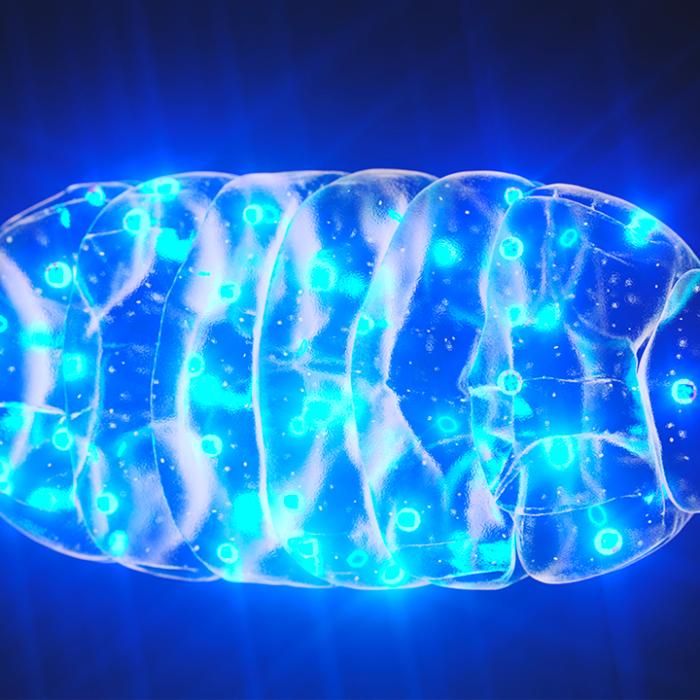
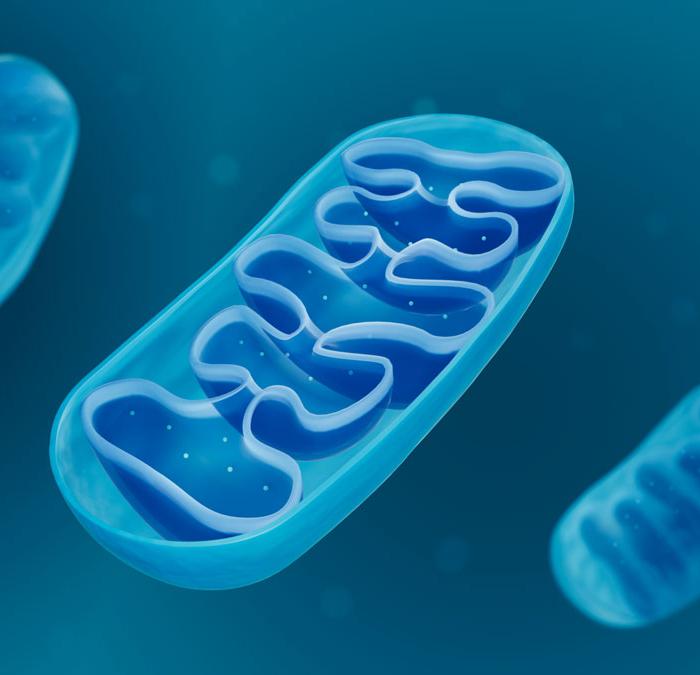
Mitochondria are considered the powerhouse of a cell and the foundation for energy production in the form of ATP. In the experiment, cells were supposed to mature to produce energy more efficiently. However, with 3q29 removed, the mitochondria functioned poorly instead of becoming more efficient, resulting in reduced energy production, which is detrimental to nearly all bodily processes, including neurodevelopment.
How Common Is Schizophrenia?
Data from the World Health Organization (WHO) show while schizophrenia may be one of the least common mental disorders, it still affects an estimated 24 million people, or 1 in 300 people worldwide. An estimated 1 in 40,000 children under 13 years old are diagnosed annually in the United States.Early Signs and Symptoms
There are several early signs and symptoms of schizophrenia in children and teenagers. Symptoms may include the following problems with thinking, behavior, and emotions that may worsen with age:- Problems with thinking and reasoning.
- Bizarre ideas or speech.
- Confusing dreams or television with reality.
- Withdrawal from friends and family.
- Sleep disruptions.
- Lack of motivation.
- Strange behavior.
- Violent or aggressive behavior or agitation.
- Recreational drug or nicotine use.
- Irritability or depressed mood.
- Lack of emotion or emotions inappropriate for the situation.
- Strange anxieties and fears.
- Excessive suspicion of others.
Later Signs and Symptoms
As children with schizophrenia age, more typical signs and symptoms of the disorder begin to appear and may include:- Delusions involving being harmed, harassed, or that a major catastrophe is going to happen.
- Hallucinations, such as seeing things or hearing voices.
- Disorganized thinking that impacts clear communication, resulting in incoherent answers.
- Extremely abnormal behavior like unpredictable anger, resistance to instructions, or a complete lack of response.
- Neglecting personal hygiene like bathing or dressing.
- Appearing emotionless by avoiding eye contact, changing facial expressions to fit situations, and speaking in a monotone.