




One step down the personal care aisle, and bottles of shampoo and luxurious lotion fill the air with sweet aromas.
This fragrant concoction, a medley of countless synthetic chemicals, entices us with visions of a blissful getaway with each bubble bath or shower. However, hidden hazards may be stealthily contributing to poor health.
A Whiff of Fragrance History
Ads that portray fragrant self-care as the path to beauty are everywhere. The word “perfume” fittingly means “through smoke” in Latin.For millennia, people have used plant extracts containing terpenes, the compounds responsible for how plants smell, to scent balms and mask odor. Only the wealthy could afford perfumes.
Later, scientists began concocting lab-made scents. Ernest Beaux, a chemist and a perfumer, created the iconic Chanel No. 5 in 1921.
Breaking Down the Chemical Cocktail
Fragrances contain hundreds of chemicals like phthalates, parabens, and synthetic musk. Some, such as benzene, originate from petroleum.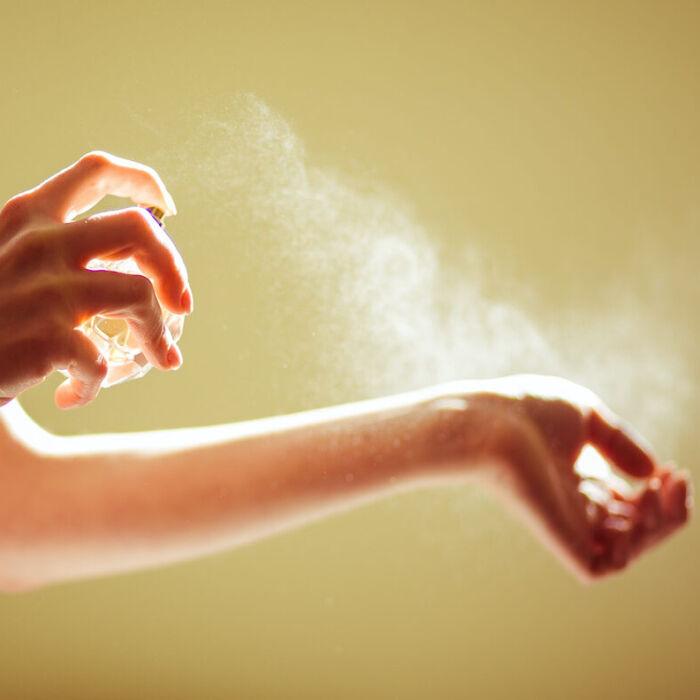

Scent With Caution
Beneath the surface of fragranced beauty and personal care products lies a realm of potential health risks.Hormone Disruption
Deodorants and sprays contain chemicals like phthalates and musks that may spur excess breast tissue in males.Breast Cancer
Parabens found in fragranced products are present in breast tumors, suggesting a potential breast cancer role.Skin Irritation and Allergy
Patients often report contact dermatitis and other skin allergies due to fragrances in personal care items.Other Health Hazards
Exposure to certain fragrances can trigger migraines in sensitive individuals. A 2020 study in Nature Communications associated maternal urinary paraben levels during pregnancy with higher body mass index (BMI) scores in girls, indicating a link between paraben exposure and childhood obesity. Additionally, a study in the Journal of Xenobiotics suggests fragrance chemicals may induce neural disturbances like depression.A Fragrance Loophole
Fragrance abounds in beauty products. On average, Americans use about 12 daily—many with untested synthetic scents.Cosmetic products and ingredients are not legally required to have U.S. Food and Drug Administration (FDA) approval before they go to market, Ms. Spilman added. Manufacturers can use any ingredient in their formulation without demonstrating the safety of that product before consumers use it.
‘Innocent Until Proven Guilty’
EWG experts say companies avoid disclosing all chemicals because they keep fragrance formulas proprietary.“The regulations around personal care products and cosmetics are fairly lax in the U.S. compared to other countries, primarily the European Union (EU), where over 1,000 ingredients are banned from products because of health concerns,“ Ms. Spilman said. ”In the U.S., we only regulate 11 ingredients in products, and only nine of those are for health reasons.”
In the EU, potentially harmful chemicals get preemptively banned under the precautionary principle, according to Ms. Spilman. Conversely, the FDA waits for demonstrated issues before acting, causing slow reforms. If a product or ingredient is unsafe for use, action is only taken against the manufacturer after a consumer has been harmed and its safety has been disproven, she said. “You can think of this as ‘innocent until proven guilty.'”
“When ingredients are not disclosed due to them being classified as ’trade secrets,' it becomes difficult to diagnose the specific allergen or sensitivity in the patient,” Dr. Kira DuCharme, an integrative dermatologist and naturopathic physician, told The Epoch Times. “Consequently, the patient is unable to follow avoidance instructions” because they don’t know what to avoid.
Consumers should scrutinize labels and use databases like EWG’s Skin Deep when choosing products to check ingredients.
Navigating the Fragrance Fog
While regulations are being developed, consumers continue to navigate a haze of uncertainty when selecting their creams, shampoos, and other personal care essentials.Alternatively, in personal care items, shoppers can seek out natural components like shea butter, coconut oil, rose water, aloe, soap bark, and essential oils.
However, although plant extracts and essential oils might appear safer, they could still trigger sensitivity in certain people.


