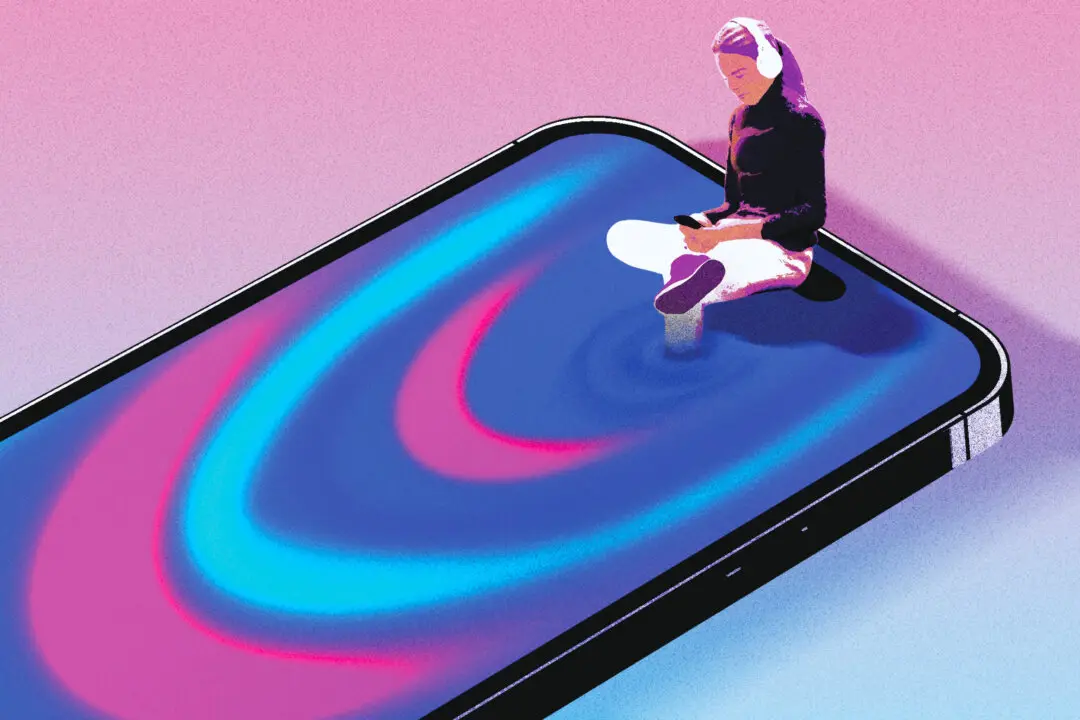
In the blurred moments between dreams and reality, nearly 60 percent of us succumb to the temptation of the snooze button. But behind this daily ritual lies a mystery: Does it actually help us get more rest, as we intend it to do, or does it shroud us in a groggy fog?
Bottom Line: There Is Little Downside to Short Snoozes
The first study was a survey examining the snoozing habits of over 1,700 adults. Nearly 70 percent reported using the snooze function or multiple alarms at least sometimes, spending an average of 22 extra minutes in bed past their preset alarm. These snoozers tended to be younger and more likely to be night owls. They also reported more morning drowsiness and shorter sleep times than non-snoozers.The second study tested 31 habitual snoozers on cognitive tasks right after awakening from a 30-minute snooze session, compared to being abruptly awakened and tested. The findings showed that snoozing either had no effect or improved cognitive test performance. Snoozing also did not directly impact stress hormone levels, morning sleepiness, mood, or sleep structure overnight.
“This study shows that people [who hit snooze] do not necessarily feel any better or are in a better mood,” Dr. Thomas Kilkenny, director of the Institute for Sleep Medicine at Northwell Staten Island University Hospital in New York, who wasn’t involved in the study, told The Epoch Times. “However, they are more quickly able to get their day going.”
The researchers concluded that snoozing is not problematic as long as it’s not overdone.
Why You Hit Snooze Matters
There are many reasons why it’s hard to wake up when planned, like staying up late or being up most of the night with a sick child. This sleep deficit makes us hit snooze to delay waking.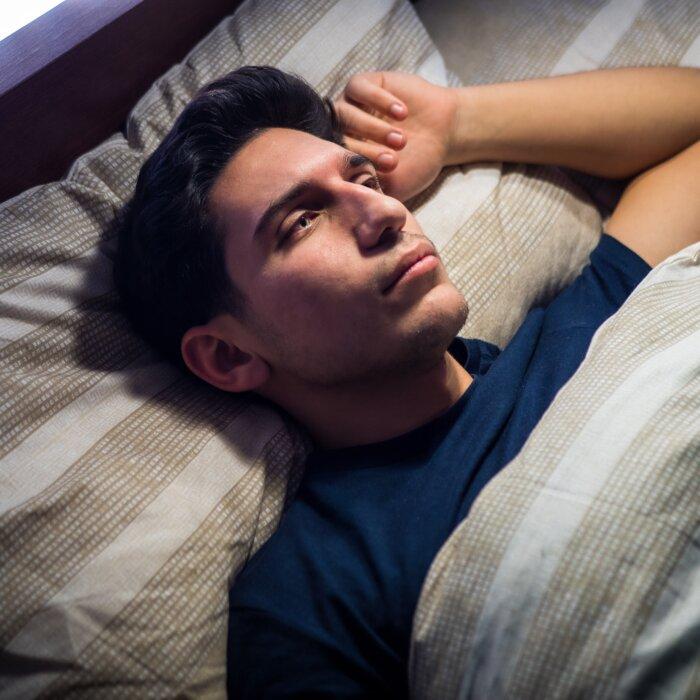
Whether snoozing indicates a problem depends on why people are doing it, Dr. Kilkenny said. Those who are sleep-deprived feel tired when waking because they lack quality sleep.
“Disorders such as insomnia, sleep apnea, periodic limb movement disorder, or even narcolepsy are such conditions [that affect quality sleep],” Dr. Kilkenny added, noting that people with waking difficulties should be evaluated for disorders.
However, snoozing doesn’t always indicate a problem. Some feel unrested despite sufficient quality sleep. They just feel a need to keep sleeping.
“This is termed sleep inertia,” Dr. Kilkenny said. “Young people especially can feel groggy upon arising.”
Other Research Finds Overusing Snooze Is Bad for Health
While one study found snoozing may help, another found overusing the snooze button can backfire.“It seems that some people, no matter how much sleep they have, still feel groggy upon arising,” Dr. Kilkenny said, noting that this is more prevalent in people who consider themselves “night owls,” with an innate tendency to want to go to sleep later and then sleep in.
Addressing Lack of Sleep
According to Houston Methodist Hospital, steps we can take to reduce our reliance on hitting snooze when the alarm sounds include:- Making sure we get seven to nine hours of sleep every night.
- Avoiding alcohol and screen time before bed.
- Avoiding drinking large amounts of fluid just before bed.
- Getting regular exercise.