The plastic bottle of water you chose for its purity may actually contain three times more microscopic plastic particles than what comes out of your tap, according to new research.
Bottled Water Carries Risks
The study, recently published in Science of the Total Environment, highlights the ongoing problem of plastic pollution in the environment, which has led to the widespread presence of microplastics and nanoplastics when plastic products break down.Researchers analyzed water samples from four treatment plants near Lake Erie—one of the five Great Lakes in North America—and six brands of bottled water, finding that some bottled water contained three times as many nanoplastic particles as the treated drinking water.
With the exception of one sample collected from a single brand of bottled water, all other bottled water samples contained more plastic than tap water.
“[The study finding] suggests one way to reduce exposure to micro and nanoplastics is to limit drinking bottled water,” John Lenhart, a professor of environmental engineering at The Ohio State University, and an author of the study, told The Epoch Times. “Our sample size was limited, however, and thus I believe more analyses is required with different sources of treated and bottled water.”
Scientific evidence increasingly indicates that microplastics—measuring 0.1 micrometer to 5 millimeters—and nanoplastics (measuring less than 1 micrometer) pose significant risks to human health by infiltrating major organ systems and triggering cellular damage.
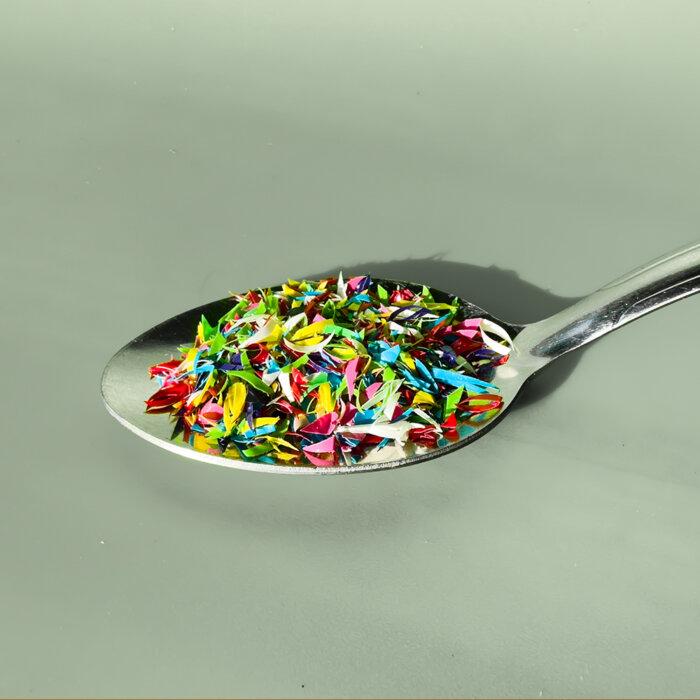
The researchers used a combination of high-resolution imaging and chemical identification tools, allowing them to detect and identify particles at very small sizes rather than grouping everything into the broader microplastics category.
It is thought that nanoplastics are more likely to be absorbed by cells when ingested or inhaled, Lenhart said, so investigating their presence in various environments, such as drinking water, is crucial for gaining better insight into their potential for cellular uptake.
The fact that his team could measure the concentration is highly relevant for future research, as it suggests that their methodology could be adopted by other researchers to evaluate the presence of nanoplastics in other samples.
Lenhart and his team did not evaluate the ability of water treatment systems to remove nanoplastics, he said.
Highest Contamination Came From Packaging
The researchers found that most plastics in bottled water came from the packaging itself, and more than half of the particles detected were nanoplastics.The source of plastics in tap water remains unclear because researchers detected a greater variety of plastics, some of which may be used in packaging, clothing, and building materials.
Lenhart noted that the plastic concentrations observed were higher than anticipated, a finding that he attributed to the inclusion of the nanoplastics in the measurement—something that prior studies had largely overlooked.
“It is believed upon ingestion or inhalation that nanoplastics exhibit greater potential than microplastics to be taken up by cells,” he said. “Thus, understanding the presence of nanoplastics in different media, such as drinking water, provides important information to better help us understand the potential for such uptake.”