Stomach cancer, a type of cancer with a high incidence and mortality rate, claimed the life of the famous historical figure Napoleon Bonaparte. This article will explore the risk factors and lifestyle habits that increase the likelihood of developing stomach cancer, identify its early symptoms, and discuss prevention strategies.
Risk Factors
According to global cancer statistics in 2022 released by the International Agency for Research on Cancer (IARC), stomach cancer ranks as the fifth most common cancer worldwide, following lung, breast, colorectal, and prostate cancers.1. Family History
Napoleon may have had a family history of stomach cancer; his father died at the age of 39, with a post-mortem report indicating a stomach tumor. However, according to Dr. Robert Genta, a pathology professor at the University of Texas Southwestern Medical Center and co-author of the 2007 study, the existing literature cannot definitively confirm whether Napoleon indeed had a family history of stomach cancer.2. Diet
Napoleon’s stomach cancer may also have been linked to his diet. During his military campaigns, his meals were often irregular, and the army’s diet consisted primarily of preserved foods and roasted meats, with very few fresh fruits and vegetables.3. Infections
Numerous epidemiological studies have identified Helicobacter pylori infection as a risk factor for stomach cancer. The aforementioned study by Dr. Genta indicated that Napoleon was likely infected with Helicobacter pylori, which consequently led to stomach ulcers.
Early Symptoms
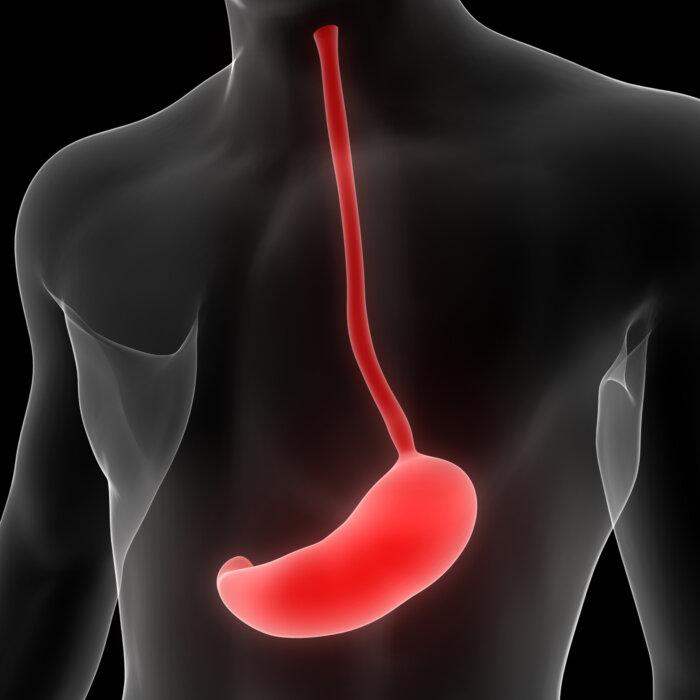
Even though the incidence and mortality rates of stomach cancer are high, early diagnosis and treatment are highly effective. Unfortunately, the early symptoms are not apparent, so stomach cancer is often diagnosed at an advanced or metastatic stage.According to data from the National Cancer Institute, between 2014 and 2020, the five-year relative survival rate for stomach cancer patients was approximately 36 percent. When the cancer is localized to the stomach, the five-year survival rate is about 75 percent. If it spreads to nearby lymph nodes, the rate drops to less than 36 percent. If it metastasizes to distant sites, the five-year survival rate falls to just 7 percent.
- Indigestion and a bloated feeling after eating
- Stomach discomfort, which may present as dull, burning, or sharp pain
- Loss of appetite and unexplained weight loss
- Nausea and vomiting
- Fatigue and weakness
6 Tips for Preventing Stomach Cancer
Early treatment is crucial for managing stomach cancer, but prevention is always better than cure. The following habit adjustments can help reduce the risk of developing stomach cancer.1. Adjust Dietary Habits
A healthy daily diet should be diverse and include limited consumption of highly processed, smoked, and fried foods. Moderation of salt and fat intake is also important.2. Quit Smoking and Drinking Alcohol
Tobacco and alcohol not only increase the risk of stomach cancer but also contribute to the development of various chronic diseases.3. Ensure Food Hygiene
Helicobacter pylori (H. pylori) infection is a common cause of stomach ulcers and a known risk factor for stomach cancer. It typically occurs from eating contaminated food or water or sharing meals with an infected person. Maintaining food hygiene is essential; getting tested for an H. pylori infection promptly is necessary if gastrointestinal issues arise.4. Undergo Regular Health Checkups
Ultrasound and endoscopic examinations can detect inflammation, ulcers, polyps, and early cancerous cells and tissues in the stomach.5. Reduce Digestive Stress
Irregular eating habits and overeating can lead to various digestive diseases. In contrast, maintaining a normal, regular, and moderate eating pattern can reduce abnormal stomach acid secretion, thereby preventing factors that contribute to stomach cancer, such as gastritis and stomach ulcers.6. Exercise Regularly
Regular exercise can also reduce the risk of stomach cancer and help prevent other chronic diseases.In summary, individuals at high risk for stomach cancer should remain vigilant. Early recognition of symptoms and prompt screening are crucial for maintaining good health.