What if you could measure the effect that the foods you eat have on the length of your life? Might you change your mind about reaching for that bag of chips?
Telomeres and Their Importance
The word telomere comes from the Greek “telos,” meaning “end,” and “meros,” meaning “part”; telomeres are the protective end parts of our chromosomes.
Telomeres cap the ends of our chromosomes and protect our DNA by preventing chromosomes from breaking down and fusing with other chromosomes during replication.
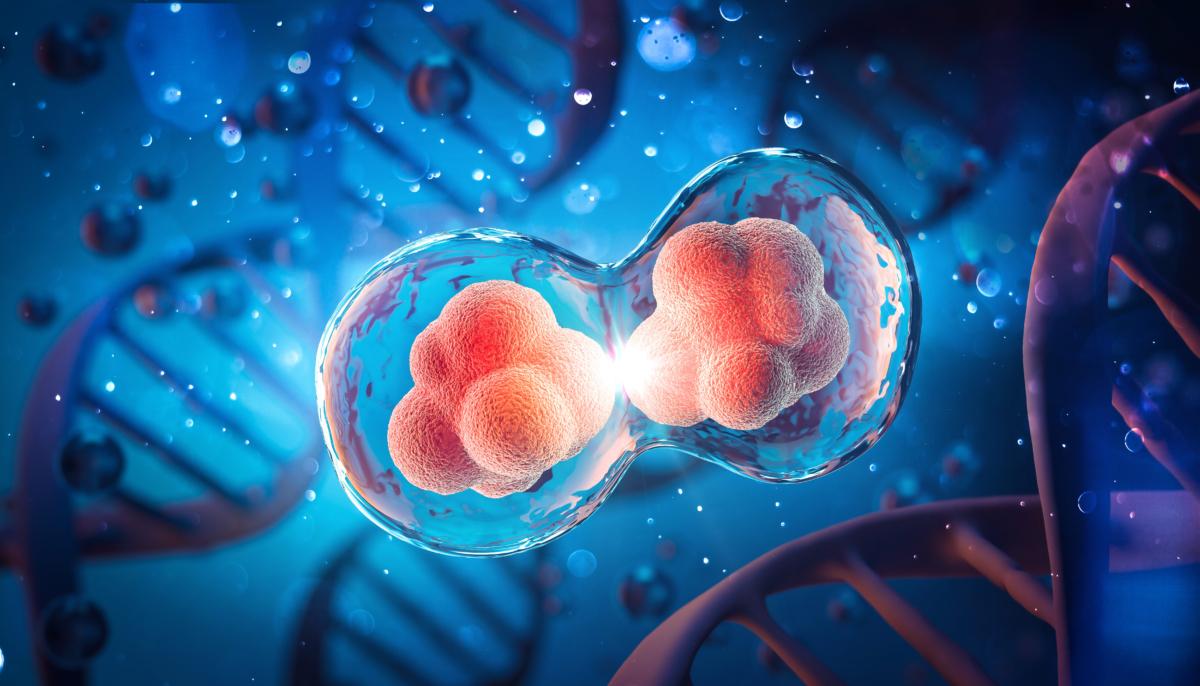
Many scientists refer to telomeres as the molecular clock of our cells because as our age increases, our telomeres get shorter. But not everyone’s telomeres shorten at the same rate—some people’s telomeres shorten faster than others’. Scientists have been trying to understand how and why.
Foods That Affect Telomere Length
An article on a follow-up study published in The Lancet Oncology in 2013 by Dr. Dean Ornish and others showed the effect that comprehensive lifestyle changes, including to diet, activity, stress, and social support, could have on telomerase activity and telomere length.

Telomerase is an enzyme that can restore telomeres and potentially slow cellular aging.
Participants in the study ate a diet high in whole foods, plant-based protein, fruits, vegetables, unrefined grains, and legumes and low in fat (about 10 percent of calories) and refined carbohydrates.
The study found that at the end of the five-year follow-up, telomeres shortened in the control group (as would be expected after five years) and that in the lifestyle intervention group, telomeres actually increased in length.
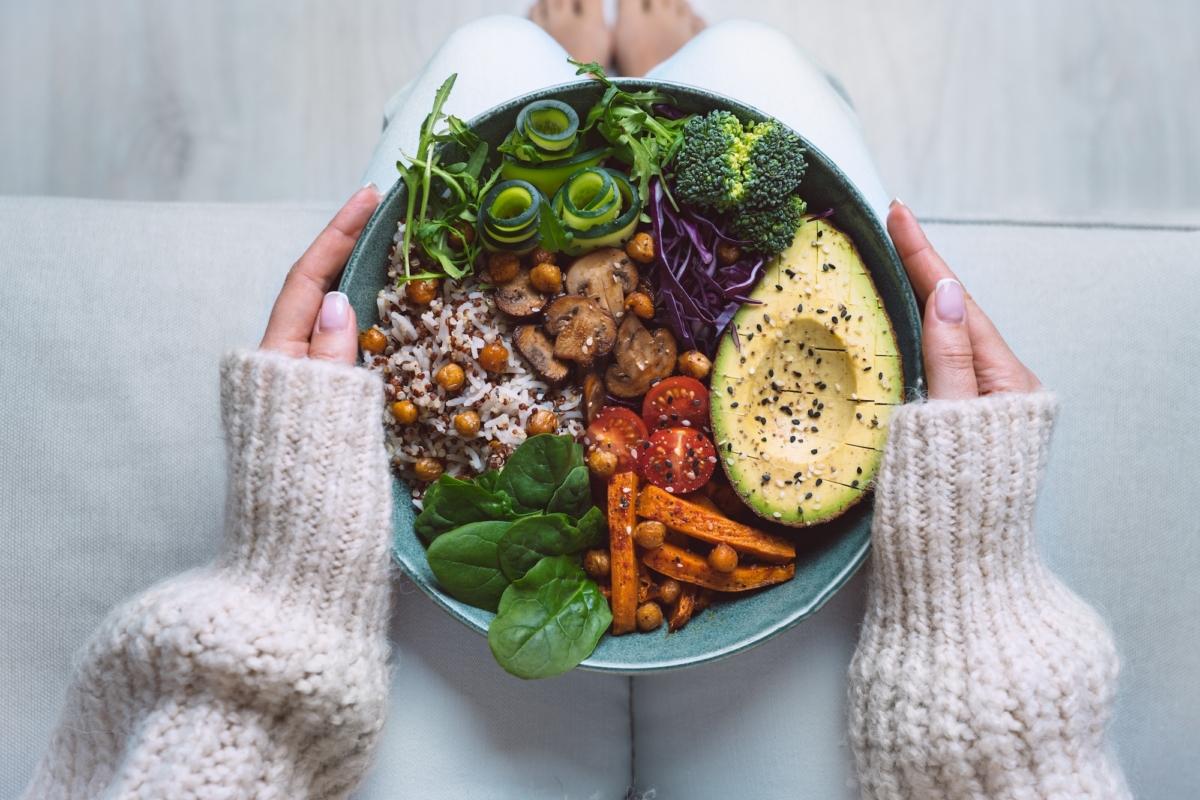
The review also states that, by contrast, total and saturated fat intake and the consumption of refined flour cereals, meat, meat products, and sugary sweetened beverages are associated with shortened telomeres.
The study aimed to determine whether diet-associated inflammation could modify the rate at which telomeres shorten after five years.
The analysis showed that diets with more anti-inflammatory potential could slow the rate of telomere shortening. Additionally, the participants eating a more inflammatory diet after a five-year follow-up had an almost two-fold higher risk of accelerated telomere shortening than those eating an anti-inflammatory diet.
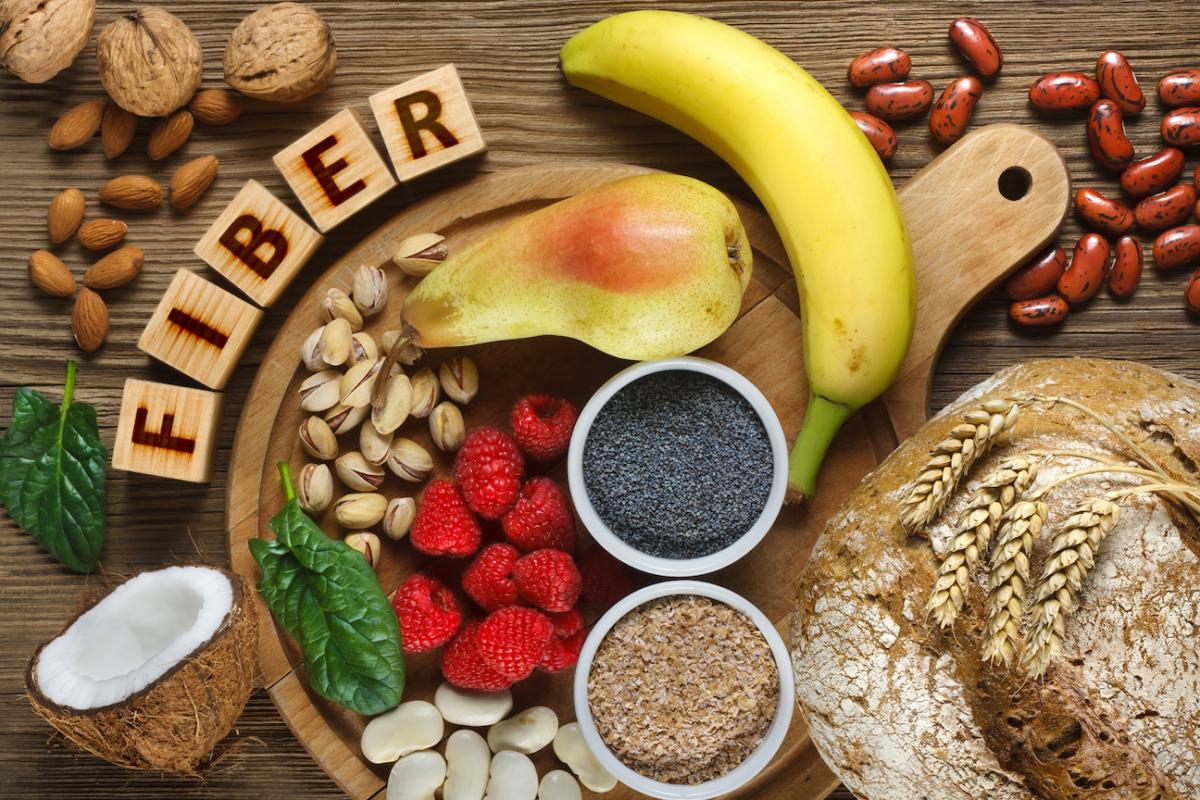
Conversely, one of the most anti-inflammatory food components is fiber.
Humans have made great progress in improving our health in the past 150 years and have dramatically increased our lifespans, mainly thanks to increased access to clean water, improved sanitation, and greater access to basic medical care. Based on this research into diet and telomeres, the foods we eat appear to be one more factor in longevity.