Types of Diarrhea
A central concept in TCM for understanding digestive issues like diarrhea is “dampness,” which refers to an accumulation of unprocessed fats and waste that disrupts your body’s water metabolism, potentially leading to indigestion and loose, unformed stools.Diarrhea of Cold-Damp Type
Cold-damp type diarrhea is triggered by excessive cold and dampness in the body, often occurring after eating raw or cold foods. Symptoms include abdominal pain, watery stools, loss of appetite, and feeling cold, sometimes accompanied by fever.Diarrhea of the Damp-Heat Type
Conversely, damp-heat diarrhea arises from a combination of dampness and heat in the body, often linked to inflammation. Symptoms include burning anal pain and soft, sticky stools with a foul odor.Yang recommends “Huangliansu” (berberine) or “Ge Gen Qin Lian Tang” (Decoction of Pueraria, Scutellaria, and Coptis) to clear heat, resolve dampness, and regulate the intestines.


How to Tell if Your Body Has Excessive Dampness
In an interview with The Epoch Times, TCM physician Kuo-Pin Wu, director of Taiwan XinYiTang TCM Clinic, suggested that self-assessing for excessive dampness involves observing several key aspects of the body:- Skin: Sweat blisters may appear between the fingers, on the palms, toes, or soles.
- Limbs: Swelling, especially in the feet, may occur in the evening, making shoes or socks feel tight.
- Abdomen and lower limbs: Dampness may sink downward, causing the lower abdomen or legs to feel heavy, as if soaked in water.
- Digestion: Heavy dampness may impair gastrointestinal function, leading to reduced appetite and a feeling of stomach fullness.
- Stool: Stools may be sticky and difficult to fully evacuate in one go.
- Reproductive system: Women may experience increased vaginal discharge and be prone to vaginal infections. Men may experience itching in the groin, burning or painful urination, or signs of urethral inflammation.
- Mental state: Persistent fatigue may occur despite minimal physical exertion, particularly in the morning or afternoon.
TCM Perspectives on Diarrhea Beyond Dampness
Beyond dampness, other internal imbalances can cause diarrhea.One such condition is spleen deficiency type, where TCM considers the digestive system part of the spleen’s energy system. Symptoms typically include loose stools, frequent bowel movements, abdominal pain, and fatigue; severe cases might even contribute to ulcerative colitis.
Diarrhea of Liver-Spleen Imbalance Type
Another significant type is liver-spleen imbalance, which often correlates with irritable bowel syndrome (IBS) in Western medicine, according to Japanese TCM practitioner Ritsugaku Ken.The TCM concept of the liver is tied to the autonomic nervous system, where stress, overthinking, or tension can lead to liver stagnation—blocked energy flow—that impairs liver function. This disruption can affect the spleen and stomach, leading to gastrointestinal issues such as abdominal pain, bloating, diarrhea, or constipation. “Chai Shao Liu Jun Zi Tang” is a common TCM remedy for this imbalance.
TCM Approaches for Diarrhea
In addition to herbal medicines, other holistic approaches play a vital role in managing diarrhea and supporting digestive wellness.Acupuncture and Moxibustion for Relieving Gut Stress
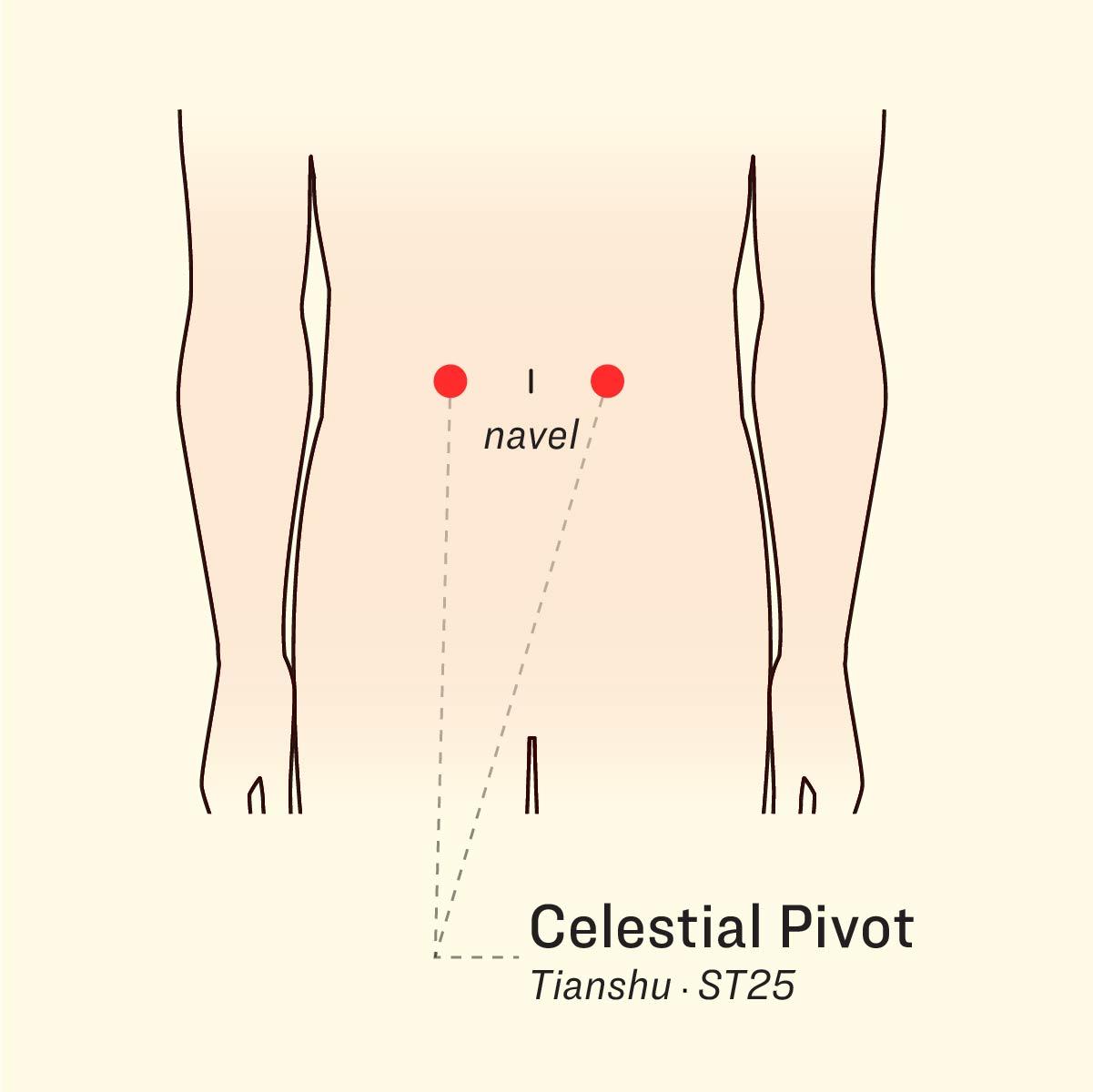
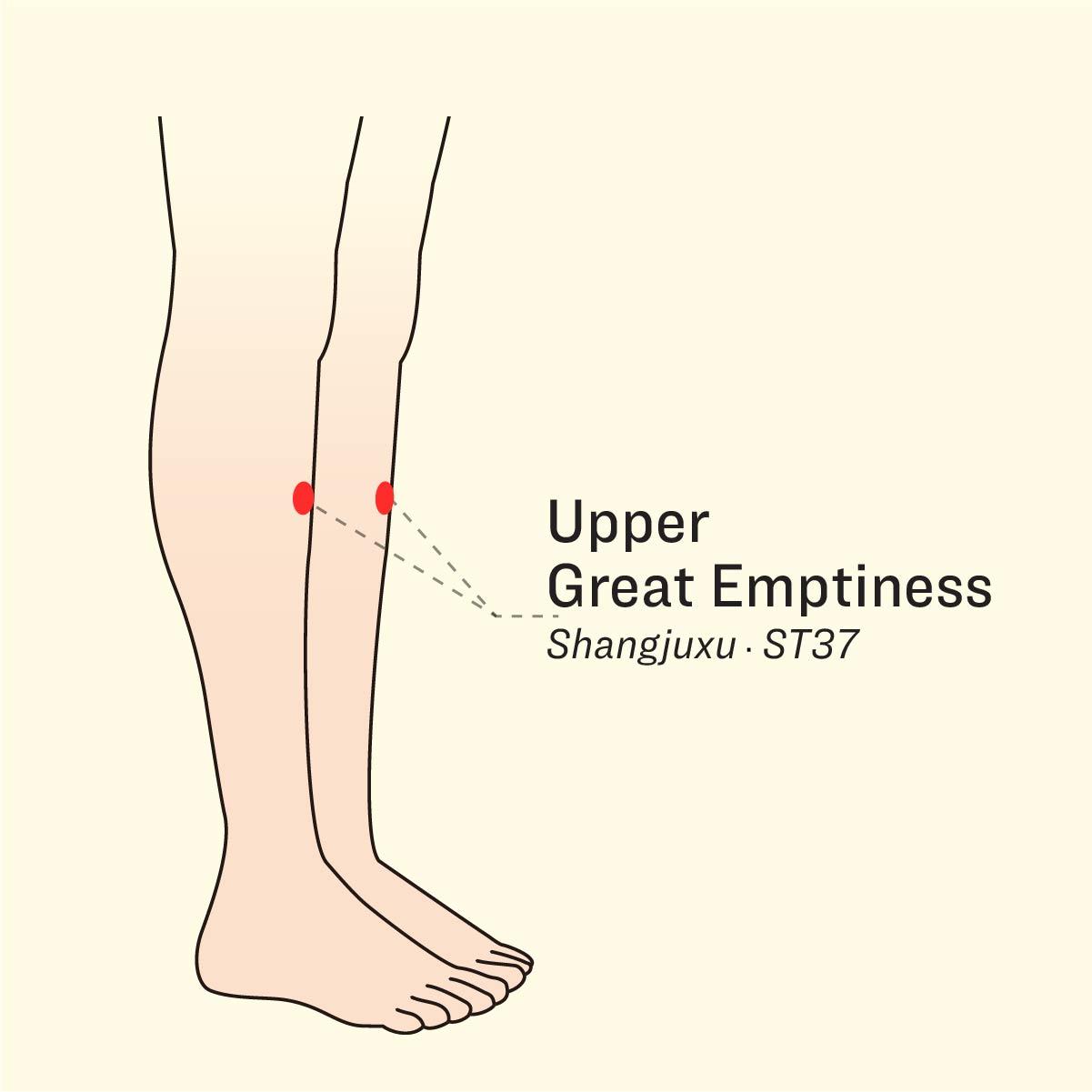
Acupuncture is a key technique for managing diarrhea. Commonly used points include “Zusanli,” “Shangjuxu,” and “Tianshu,” are frequently used. These are specialized sites along the body’s energy pathways, known as meridians, which connect to different body regions and support holistic healing.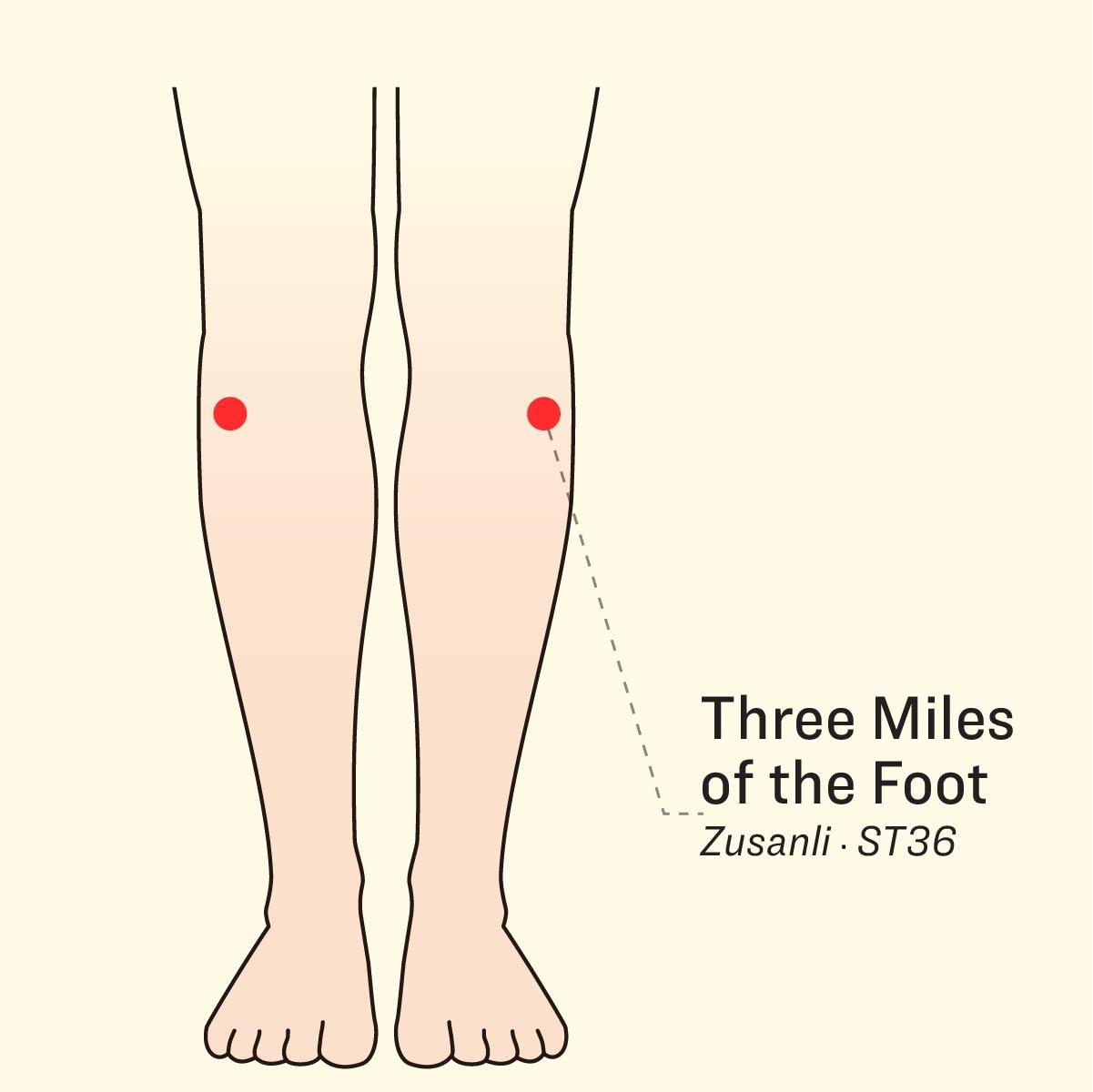
Dietary Therapy
A light diet is recommended, focusing on low-sugar, low-fat, warm, and easily digestible foods, Ken said.Chinese Yam and Lotus Seed Porridge
Rice porridge benefits patients with diarrhea as it nourishes the stomach and strengthens the spleen. Chinese yam porridge is especially helpful as it supports digestion, strengthens the spleen, and eases diarrhea.30 grams dried Chinese yam
30 grams lotus seeds
30 grams glutinous rice
5 to 6 cups water
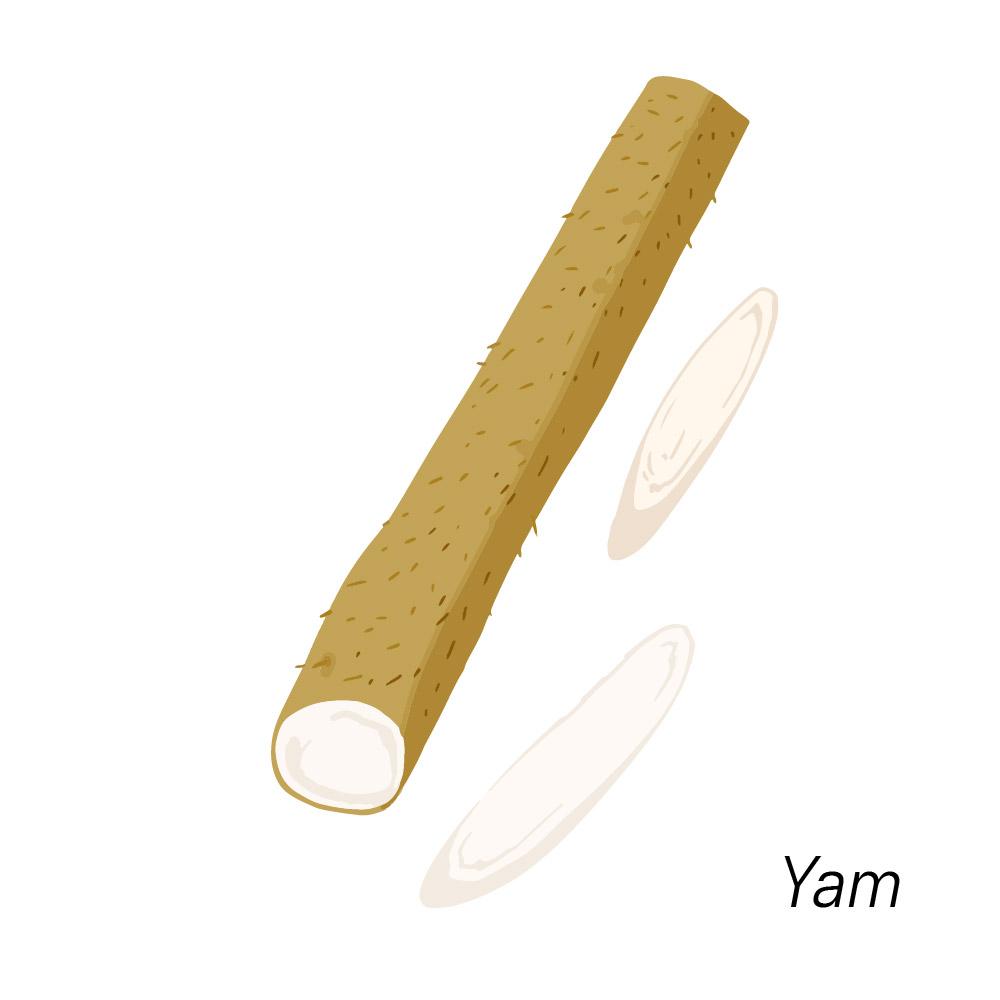
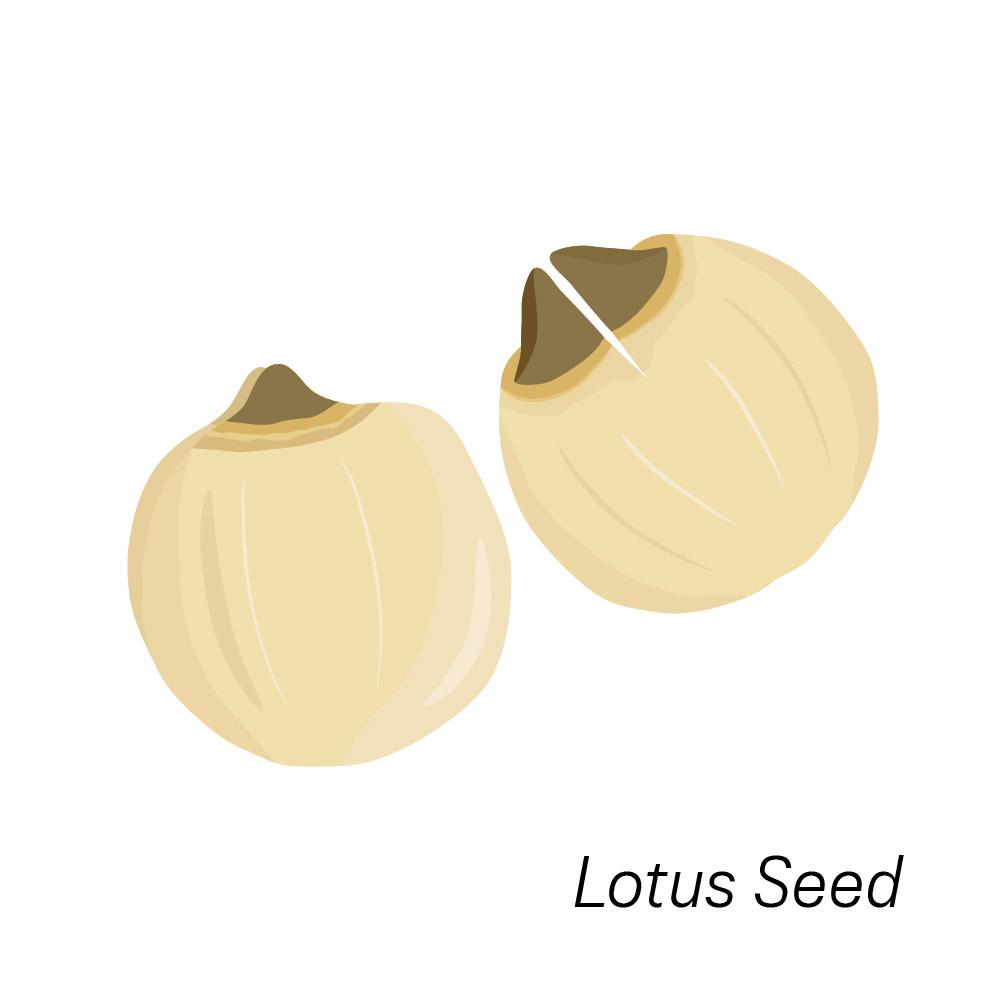
- Rinse the Chinese yam, lotus seeds, and glutinous rice thoroughly; soak overnight if possible.
- Break the Chinese yam into small pieces, then combine with lotus seeds and rice in a pot.
- Add water, bring to a boil over high heat, then reduce to low and simmer for about 1.5 hours, or until the yam and lotus seeds are soft and fully cooked.
Food Hygiene When Dining Out
Yang warned that an improper diet while traveling can quickly cause acute diarrhea. To stay safe, ensure food is thoroughly cooked—especially meat, eggs, and seafood—avoid drinking untreated water, and wash hands frequently.Taking probiotics and vitamin C may help support the immune system. Maintaining a warm abdomen, following a regular sleep schedule, and avoiding excessive fatigue are also important.