What Sitting Does to Your Body
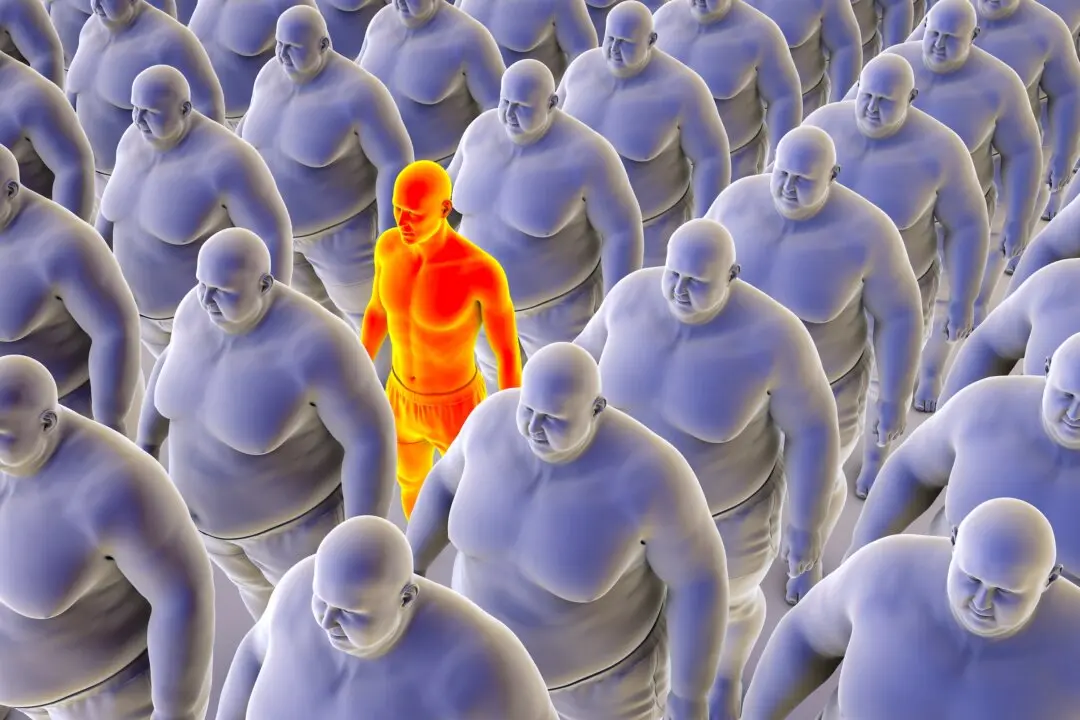
Sitting is a behavior with a very low energy expenditure that’s associated with poor health outcomes in both adults and children. Sitting and other forms of prolonged, uninterrupted sedentary time promote cardiometabolic disorders, obesity, depression, and all-cause mortality in adults. In children, it’s linked to obesity, anxiety, and depressive symptoms.“Sedentary behavior contributes to an interrelated network of increased body fat, altered production of sex hormones, metabolic dysfunction, leptin, adiponectin, and inflammation, encouraging cancer development,” the researchers wrote.
Why You Should Break Free From ‘Chair Addiction’
“Chair addiction has become a hallmark of modernity,” Dr. James Levine, author of the book “Get Up!: Why Your Chair Is Killing You and What You Can Do About It” and the inventor of the treadmill desk, wrote in an editorial in Mayo Clinic Proceeding. “Sitting kills more people than smoking because more people sit excessively than smoke, and the health sequelae of sitting are more numerous.”More than two dozen chronic diseases, from diabetes and high blood pressure to back pain and deep vein thrombosis, have been linked to excessive sitting, and fitting in an exercise session isn’t likely to offset excessive sitting’s harmful effects.
It was during the Industrial Revolution, when people moved from agricultural communities to cities, that sedentary behaviors and many of their related health problems became common.
“Once the Industrial Revolution took hold, lethal sitting became inevitable. In the 1800s, factory production lines were invented to diminish the need for a worker to waste time walking. Soon after that, modern offices were developed with the premise that the fewer minutes workers moved during the workday, the less time was wasted, Levine wrote in Mayo Clinic Proceedings.
“The 1930s saw the rise of the archenemy—the office chair. Workplace automation and mechanization followed with the introduction of typewriters, Dictaphones, intercoms, and adding machines—all of which diminished movement. By the 1950s, mass-produced and affordable cars came onto the market, and people forewent walking to work and drove.”
Standing Benefits Mind and Body
One of the most obvious benefits of standing is that it increases energy expenditure, or calories burned, which can help to ward off obesity. Sitting increases metabolic rate by only 5 percent compared to lying down, but walking, even at a slow pace, increases energy expenditure by 100 percent, according to Levine.- prevention of the body’s tissue adaptation to static positions, such as short hip flexors and hamstrings, rounded upper back, and poor shoulder position.
- prevention of orthopedic degradation and dysfunction, including back and neck pain, repetitive stress injuries, pelvic floor dysfunction, and knee and hip disorders.
- increased creativity and educational test scores.
- increased engagement and active learning in the classroom.
How to Gradually Break Free From Your Chair
Kelly and Juliet Starrett are the husband-and-wife team that founded Stand Up Kids. Kelly has a doctoral degree in physical therapy and is the author of “Deskbound: Standing Up to a Sitting World.” He’s one of the leaders in the CrossFit movement and stresses the importance of proper body mechanics, both in and outside the gym.His first book, “Becoming a Supple Leopard,” addresses biomechanical inadequacies that might increase your risk of injury. Juliet is a former competitive athlete, CrossFit authority, and co-founder of the healthy movement website Mobility WOD. In 2016, I interviewed Kelly about his book, “Deskbound,” which helped me address some of my own movement challenges. It’s an eye-opening read about why standing is a simple way to radically improve your health.
However, if you’re used to sitting for hours per day, be prepared for a gradual transition and avoid trying to switch to a standing desk “cold turkey.” The Starretts recommend first transitioning to a standing desk with a perching stool and sitting on that for 20 or 30 minutes, then gradually increasing your time.
Be sure your desk is adjusted to the proper height. Also, many people feel more comfortable having something to put a foot on and off, such as a stepstool.
If you don’t have a standing desk, it’s possible to fashion one out of a regular desk by propping up your computer on a box or an overturned wastebasket. Or if you have an island or breakfast bar in your kitchen, use that. If standing isn’t an option, you can reap many similar benefits by getting up from your chair every 20 minutes and taking a two-minute walk. For times when you do sit, “sit with skill,” the Starrett’s said.
Try a Wobble Board While Standing
Standing is classified as a light-intensity activity when it’s “active” rather than “passive.” Active standing might include standing while doing dishes whereas passive standing is waiting in a line. If you want to take your fitness to the next level, make standing a workout on its own by standing on a wobble board at your standing desk.This has added benefits for improving balance and posture while working your core muscles and boosting coordination. Beyond this, a transition to more active schools and offices, which promote not only standing but also more daily movement, could have far-reaching public health benefits, according to Levine.
“Offices can incentivize protocols for walking meetings, incentivize leg-based interactions [eg, walk across the office versus e-mail], and install walking tracks or treadmill desks. Active offices not only report improved health but less perceived stress and improved productivity," Levine wrote in Proceedings.
“Schools can be designed to promote active learning, and research demonstrates improvement to health, attentiveness, and educational outcomes. Bright, clean, attractive stairwells with visible prompts promote walking up steps better than do poorly lighted, dirty, dank ones.”
The more you try to incorporate standing and movement into your day, gradually you’ll get used to the idea of standing and will find that you don’t automatically look for a chair the way you used to. You’ll be surprised by how many opportunities you have to move in a day if you start opening your eyes to them.
- 1, 2 The Atlantic June 1, 2022
- 3, 4, 15 Int J Environ Res Public Health. 2019 Oct; 16(19): 3590
- 5 American Journal of Epidemiology January 18, 2017
- 6 BMJ January 21, 2015
- 7 American Journal of Preventive Medicine March 2016
- 8 The New York Times March 29, 2016
- 9, 10, 11, 12, 13, 22 Mayo Clinic Proceedings August 1, 2014
- 14, 18 Stand Up Kids, Standing vs. Sitting
- 16 Journal of Science and Medicine in Sport November 23, 2016
- 17 Hum Factors. 2020 Jun;62(4):603-612. doi: 10.1177/0018720819879310. Epub 2019 Oct 8
- 19, 20 Dan’s Plan January 6, 2017
- 21 Int J Environ Res Public Health. 2021 Aug; 18(16): 8460