If you are looking for yet one more reason to avoid consuming the artificial sweetener aspartame, the results of a new study may help. According to researchers at Florida State University College of Medicine, results of their four-year animal study showed an increased risk of anxiety associated with the use of aspartame. And there’s more: the increased risk was found to extend for up to two generations of the animals, as the trait was passed to both male and female offspring.
The Aspartame and Anxiety Study
In the study, which appeared in the December 2, 2022 issue of the Proceedings of the National Academy of Science, the researchers gave drinking water that contained aspartame to mice daily. The dose used was approximately 15 percent of what the Food and Drug Administration has determined to be the approved maximum daily for humans to consume. According to the FDA, the acceptable daily intake of aspartame for adults and children in the United States is 50 milligrams per kilogram (50 mg/kg) of body weight daily. Since 1 kilogram equals 2.2 pounds, a person weighing 110 pounds could safely consume 2,500 mg (or 2.5 gm) of aspartame daily, according to the FDA.
In this study, which lasted 12 weeks and was conducted over four years, the dosage was equal to six to eight 8-ounce cans of diet soda daily for humans. The length of the study allowed the researchers to track the impact of aspartame use over several generations of mice.
The researchers noted what was called “such a robust anxiety-like trait” that was much more significant than they had anticipated. They also noticed that anxiety was passed along to several generations of male and female offspring by the aspartame-exposed males. When the mice were given the commonly used human antianxiety drug diazepam, the mice in all generations were relieved of their anxiety.
The passage of anxiety to succeeding generations is an example of epigenetic (temporary) change. Unlike genetic changes (i.e., mutations), epigenetic changes do not alter DNA, but they do change how the body interprets DNA sequences. They are also reversible. According to co-author Pradeep Bhide, the results of this study show that “we need to look back at the environmental factors because what we see today is not only what’s happening today, but what happened two generations ago and maybe even longer.”
Aspartame 101
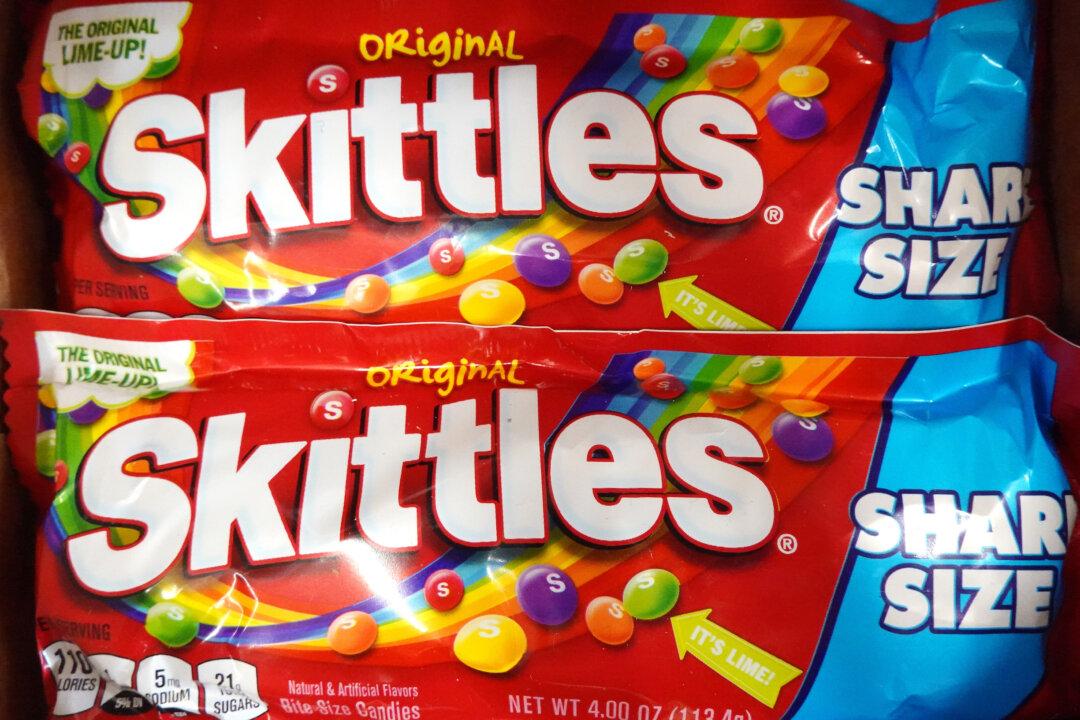
Aspartame was approved by the FDA in 1981 as an artificial sweetener and is about 200 times sweeter than regular sugar. It can be found in nearly 6,000 food and beverage items around the world, and as a tabletop sweetener as well.
Once you consume aspartame, it transforms into aspartic acid, methanol, and phenylalanine. All of these metabolites can have significant effects on the function of the central nervous system. For example, the metabolites have an impact on the brain and neurotransmitter levels and have thus been associated with depression, headache, and convulsions.
Another example is methanol, which affects the liver. Methanol is oxidized in the liver to formaldehyde and then formic acid, both of which can damage liver cells. A recent report also noted that aspartame “could have carcinogenic properties” and that “exposure to aspartame from prenatal age increases the incidence of lymphomas/leukemias in females.”
Bottom Line
Aspartame is an artificial sweetener—one of the scary 7—that should be avoided at all costs by people of all ages. Artificial sweeteners have been linked to a number of serious health problems, and this latest study adds the possibility of anxiety to the list. Protect yourself and your family by always choosing whole foods and naturally sweet fruits, and avoiding the chemicals that can damage your health.
Republished from NaturallySavvy.comSources
Calorie Control Council. Aspartame
Common sweetener linked to anxiety. Neuroscience News 2022 Dec 8
Czarnecka K et al. Aspartame-true or false? Narrative review of safety analysis of general use in products. Nutrients 2021 Jun 7; 13(6):1957.
Jones SK et al. Transgenerational transmission of aspartame-induced anxiety and changes in glutamate-GABA signaling and gene expression in the amygdala. Proceedings of the National Academy of Sciences 2022 Dec 2; 119(49):e2213120119
Roberts HJ. Preclinical AD. Neurology 1997 Feb; 48(2):549-50.