After 50, many people look forward to the slower pace and comfort of retirement. At the same time, they may worry about a slower metabolism, stubborn belly fat, and the age-related risk of sarcopenia. Finding the right diet and exercise routine is key.
Why Appetite Becomes Harder to Control
Science now recognizes that obesity is a disease reflecting an imbalance of the brain’s regulation of appetite.The human body has highly sophisticated regulatory mechanisms for heart rate, respiration, and body temperature, Wang said. However, body weight is much harder to control because the brain does not properly receive or respond to the signal that the body is already full and does not need more food.
Relying on willpower alone to suppress appetite is extremely difficult. In fact, fewer than 10 percent of people succeed in losing weight this way, such as by skipping meals after noon or avoiding snacking between meals, he added.
Therefore, rather than suppressing appetite, it is better to learn “how to eat,” he said.
To successfully lose fat, the wisdom of an 80 percent diet and 20 percent exercise prevails—the key lies in dietary control, Wang said.
How the Body Builds Muscles
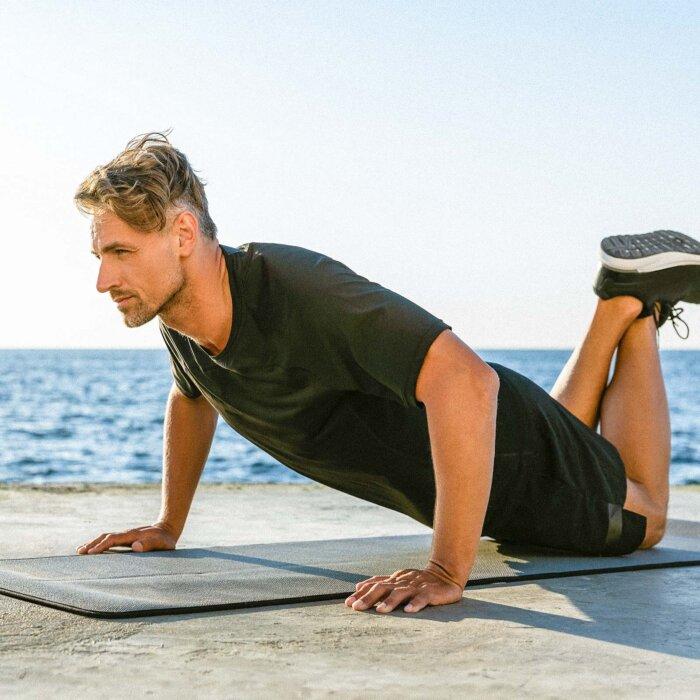
While diet plays the biggest role in fat loss, Wang said the opposite is true for building muscle.Building muscle is roughly 80 percent exercise and 20 percent diet. The body requires physical stimulation to trigger muscle growth. The human body follows a “use it or lose it” principle. Without exercise, there is no biological signal to build muscle, Wang said. However, when exercise places stress on the muscles, the brain signals the body to utilize protein to repair and build new muscle tissue.
One of the most effective ways to start exercising is to work with a trainer at a gym, where training is more structured and supervised. In strength training, the amount of weight used is not the most important factor—both heavy and light loads can build muscle. The key is whether the muscles are pushed close to fatigue, Wang said.
Strengthening Lower Limb Muscles Is Important
For those over 50, the most crucial aspect of combating sarcopenia is “lower limb training,” Wang said. Once mobility declines, overall health and quality of life are severely impacted.Training should not only target the quadriceps but also include the gluteus maximus, the largest muscle group in the body, hamstrings, and calf muscles.
Squats: One Exercise With Multiple Benefits
Among functional exercises, the squat is one of the most effective. It strengthens the muscles of the legs and hips, engages the core, and helps improve balance, mobility, and everyday movements such as sitting down, standing up, and climbing stairs.After 50, healthy aging is no longer simply about losing weight—it’s about losing fat while preserving muscle. By choosing whole foods, managing appetite wisely, and making strength training a regular habit, people can improve their body composition, maintain mobility, and remain active and independent for years to come.