Ever notice that by late afternoon your legs feel heavy, your shoes fit tighter, or your body feels sluggish after hours of sitting?
While many people blame salt, aging, or poor circulation, traditional Chinese medicine (TCM) offers another explanation: stagnation along the Bladder meridian, the body’s longest energy pathway. According to TCM, this meridian helps regulate water metabolism, supports the nervous system, and plays an important role in the body’s natural detoxification processes by promoting the smooth elimination of metabolic waste.
Why the Bladder Meridian Matters in TCM
In TCM, “detoxification” does not mean flushing out mysterious toxins. Instead, it refers to supporting the body’s own ability to process and eliminate metabolic waste through healthy circulation, fluid balance, and organ function.- Lower back pain
- Neck and shoulder stiffness
- Leg tightness
- Swollen feet or ankles
- A persistent feeling of heaviness or fatigue
Why Stretch Between 3 p.m. and 5 p.m.?
According to TCM’s meridian clock, each of the body’s twelve primary meridians reaches peak activity during a specific two-hour period.
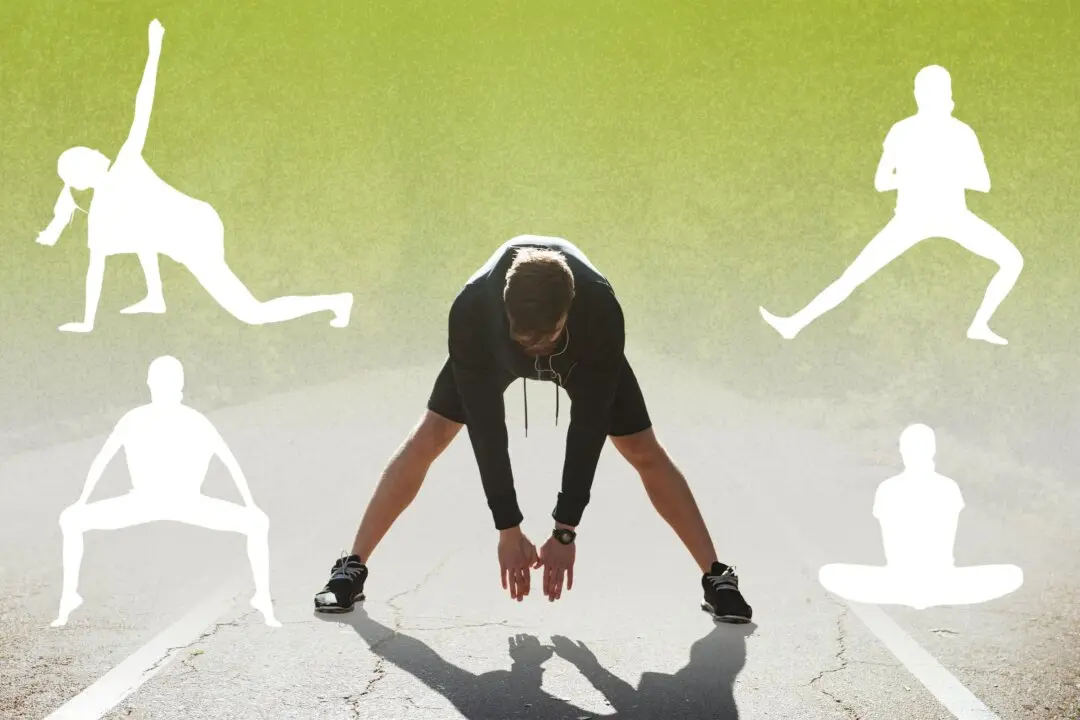
10 Minutes of Stretching for Natural Detox Processes
This routine is designed to gently lengthen the entire back side of the body—from the feet to the neck—following the pathway of the Bladder meridian.Complete each movement slowly while breathing naturally. Stretch until you feel gentle tension, but never pain.
1. Flex and Point Foot–Left
Step 1: Sit with your left leg extended in front and your right leg bent comfortably. Step 2: Pull your left toes toward your body (flex your foot) and hold for a few seconds. Then point your toes forward and downward and hold for a few seconds. Repeat several times.2. Hamstring Stretch–Left
Step 1: Sit with your left leg extended in front and your right leg bent. Reach both arms upward and keep your back straight. Step 2: Hinge at the hips, aiming to bring your abdomen toward your thigh. Reach your hands forward along your leg. Hold for a few seconds, then return to the starting position. Repeat several times.3. Forward Fold Hold–Left
Step 1: Sit with your left leg extended and your right leg bent. Reach your arms upward and keep your back straight. Step 2: Hinge at the hips, reaching your abdomen toward your thigh. Extend your arms forward along your legs and hold the position steadily without moving.4. Flex and Point Foot–Right
Step 1: Sit with your right leg extended in front and your left leg bent comfortably. Step 2: Pull your right toes toward your body (flex your foot) and hold for a few seconds. Then point your toes forward and downward and hold for a few seconds. Repeat several times.5. Hamstring Stretch–Right
Step 1: Sit with your right leg extended in front and your left leg bent. Reach both arms upward and keep your back straight. Step 2: Hinge at the hips, aiming to bring your abdomen toward your thigh. Reach your hands forward along your leg. Hold for a few seconds, then return to the starting position. Repeat several times.6. Forward Fold Hold–Right
Step 1: Sit with your right leg extended and your left leg bent. Reach your arms upward and keep your back straight. Step 2: Hinge at the hips, reaching your abdomen toward your thigh. Extend your arms forward along your legs and hold the position steadily without moving.7. Supine Leg Kicks–Right
Step 1: Lie on your back with both legs extended and together. Place your arms by your sides. Step 2: Engage your core and lift your right leg up to about 90 degrees. Keep the leg straight, but do not lock the knee. Slowly lower it back down, stopping just before the heel touches the ground. Repeat several times. Keep your core tight and your pelvis stable throughout.8. Supine Leg Kicks–Left
Step 1: Lie on your back with both legs extended and together. Place your arms by your sides. Step 2: Engage your core and lift your left leg up to about 90 degrees. Keep the leg straight, but do not lock the knee. Slowly lower it back down, stopping just before the heel touches the ground. Repeat several times. Keep your core tight and your pelvis stable throughout.9. Seated Forward Fold
Step 1: Sit with both legs extended together. Reach your arms upward alongside your ears and keep your back straight. Step 2: Hinge at the hips, aiming to bring your abdomen toward your thighs. Reach your hands forward along your legs. Hold for a few seconds, then return to the starting position. Repeat several times.10. Squat to Stand
Step 1: Stand with feet shoulder-width apart, toes slightly turned outward. Lower into a deep squat. Reach your arms down and hold your ankles. Step 2: Slowly straighten your knees and lift your hips upward. Keep holding your ankles and try to keep your abdomen close to your thighs. Hold at your maximum stretch for a few seconds. Step 3: Push your hips back and bend your knees to return to the squat position. Repeat Steps 2–3 several times.You don’t need an expensive cleanse or complicated wellness routine to support your body’s natural detoxification systems. Sometimes, simply moving your body at the right time of day can make a meaningful difference.
Try making this 10-minute routine part of your afternoon. With consistent practice, you may notice lighter legs, greater flexibility, less tension, and more energy to carry you through the rest of the day.