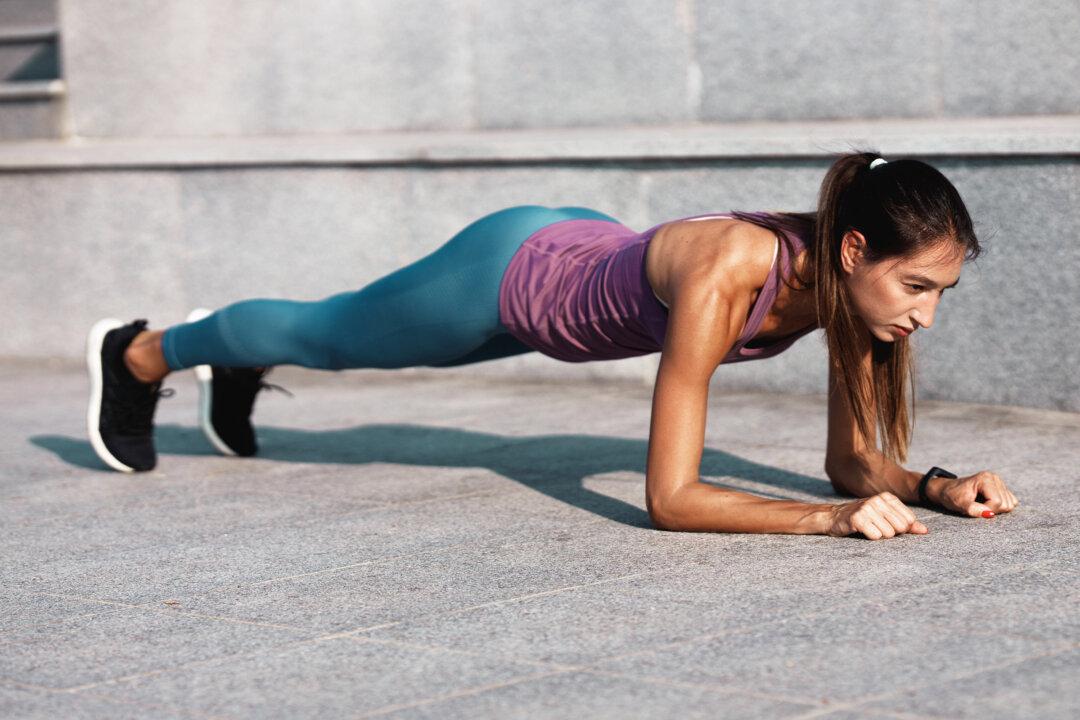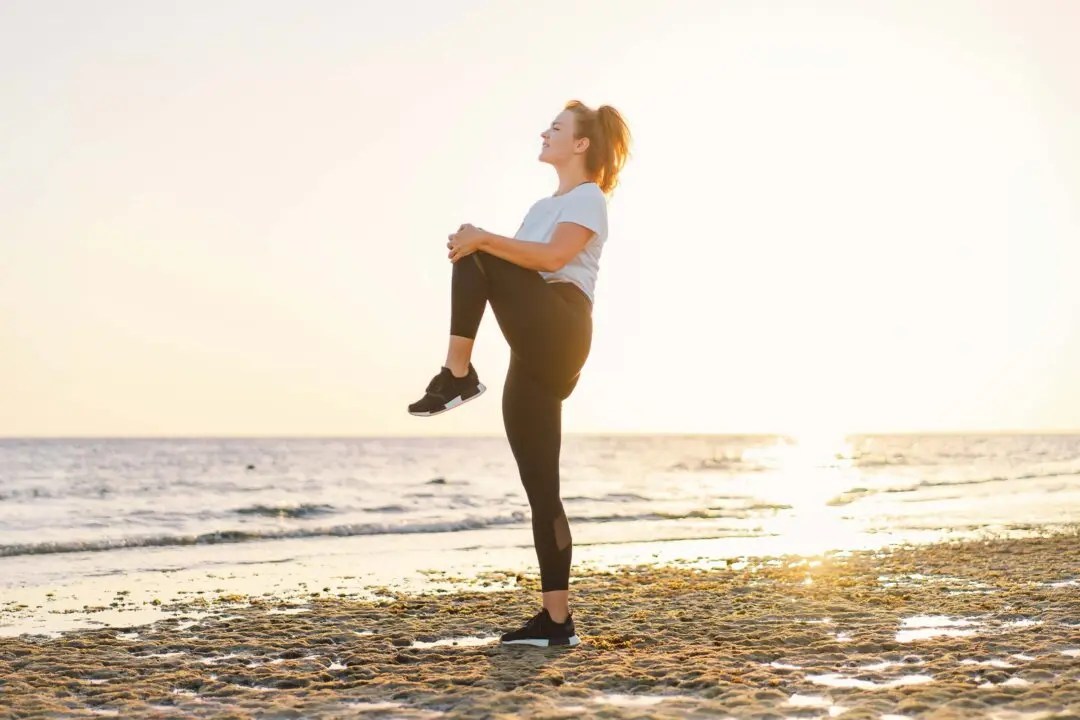
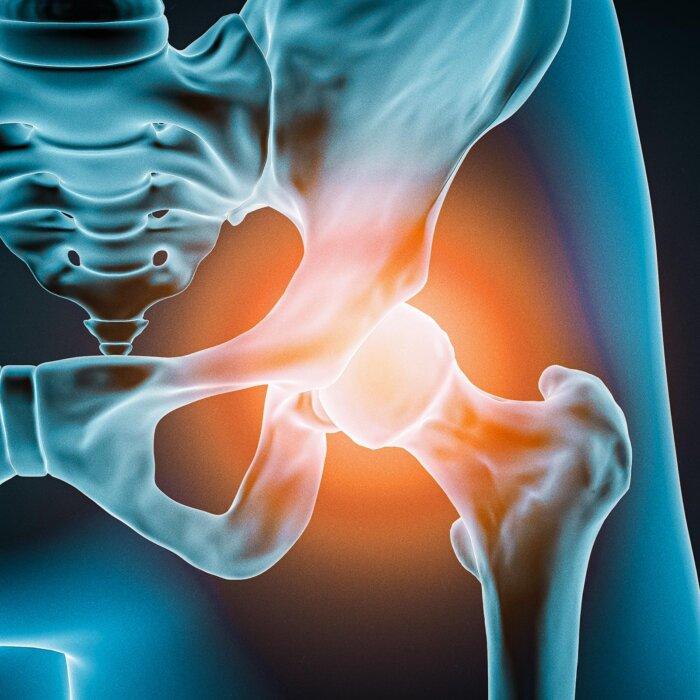
Tight hips sink ships, or that’s how it may feel. Tight hips contribute to significant limitations and pain during everyday functional tasks. In my experience, tight hips account for as much discomfort and functional limitation as tight shoulders do. The more painful they get, the less we move them, and the less we move them, the tighter and more painful they become—and so the cycle continues.
Unfortunately, because this process happens gradually, people often surrender to it and settle for a lower quality of life.
5 Exercises for Hip Mobility and Flexibility
These exercises can help you keep your hips moving smoothly, thereby contributing to a high quality of life. They work well for my patients, and I like them, too. I think that they will also work well for you, but I suggest discussing the exercises with your health care provider to ensure that they are right for you.1. Supine Windshield Wipers
Supine windshield wipers are excellent rotational exercises. As you move from side to side, you quickly get a feel for what’s tight and can dial right in on it. Because it’s performed supine, you can focus directly on the exercise without extraneous postural movements.Step 1: Lie on your back, with your knees bent and your feet flat on the surface, as wide and high up toward your hips as is comfortable.
Step 2: Move your right knee as far down toward the left as possible. For perspective, if you’re lying on a yoga mat, the knee moves toward the bottom left corner of the mat. Your hips should remain relatively level.
Step 3: Return your legs to the starting position and repeat the movement on the left side. Pressing your knee down and away, then back to center, counts as one repetition. Try to perform 15 repetitions per side.
Modifications: If you can’t rotate your hips far initially, just do what you can; you should loosen up over time. If you like, you can rotate your head in the opposite direction of the leg to help open up your neck as well.
Why I Like It: This simple exercise provides an excellent stretch and also offers a concurrent warming function for joints and muscles, making it even more effective.
2. Supine Pigeon Stretch
The upright pigeon stretch is extremely effective but does require some practice to master, and some people still struggle with it even after practicing. However, the supine pigeon stretch is significantly easier for most people to perform and is still highly effective.Step 1: Lie on a flat, supportive surface and cross your right leg over your left, with your right ankle just above your left knee.
Step 2: Interlace your fingers behind your left leg, just below your knee. Slowly pull your left leg toward your left shoulder, feeling the stretch in your right hip. Hold for 30 seconds before carefully lowering your left leg back down and easing the stretch.
Step 3: Try to perform the stretch for 30 seconds three times on each side.
Modifications: Only push into as much of a stretch as you comfortably can. With this stretch, more pain isn’t necessarily more gain.
Why I Like It: This very controllable exercise allows you to choose your intensity level, since you can determine how deep you want to go. You can achieve a very powerful stretch with this exercise, while remaining firmly in control of how intense you want it to be.
3. Single-Leg Frog Stretch
Let’s look at a great inner thigh stretch that does double duty as a hip opener—or is it a great hip opening exercise that does double duty as an inner thigh stretch? Either way, there’s a lot of duty, er, exercise going on here.Step 1: Start this exercise on your knees on the floor. Slowly sit back toward your heels until you are at as much knee flexion as you can tolerate.
Step 2: Slowly slide your right leg straight out to the side. Keep your knee straight to keep the strain off it. Once you slide it out as far as you can, use small foot movements to walk it out even farther.
Step 3: Lean forward and rest on your elbows, keeping your spine straight. Hold the stretch for one minute before returning to the starting position and repeating with the left leg.
Step 4: Try to perform three one-minute stretches per side.
Modifications: The single-leg frog stretch can be quite intense if you push it, so only allow as much stretching as you can comfortably tolerate. Feel free to use a yoga block or a bolster under your forearms, especially if your back is inclined to round while leaning forward.
Why I Like It: Inner thighs get a lot of love with this exercise, and it offers great benefits to your hips as well.

4. Lizard Pose
I never knew that lizards had such limber hips, but they must, because this stretch in their honor is phenomenal. As with the other stretches, it can be very intense, but staying within your comfort zone can do wonders.Step 1: Start on your knees. Bring your right foot forward until your right hip is at 90 degrees of flexion and your right foot is in front of your left knee; the heel of the right foot should be even with the front of the left knee.
Step 2: Keeping your spine straight, slowly lean forward to place your forearms and elbows down on the floor. A yoga block or bolster can raise the level of the floor. You'll feel a considerable stretch in the front of your left leg.
Step 3: Hold position for one minute before returning to the starting position. Try to perform three one-minute holds per side. You can either perform all stretches on one side and then the other, or alternate sides as you go.
Modifications: Only go as deep into the stretch as you comfortably can. Refrain from pushing too hard. You will limber up as you go. Using the yoga block or bolster makes the stretch more accessible.
Why I Like It: This magic “open sesame” exercise provides a deep stretch for the hip flexors, as well as the surrounding large muscles.
5. Butterfly Stretch
I took karate when I was young, and part of our warm-up routine involved the butterfly stretch. I remember it being highly effective. It could absolutely dial in on tight muscles, tendons, and joints. I also remember a mean girl named Elizabeth who liked beating me up, but that’s a story for another day. You’ll like this exercise.Step 1: Sit on a firm, supportive surface. Place the bottoms of your feet together and draw them as close to your body as you can while keeping them on the floor.
Step 2: Slowly relax your legs and let gravity pull them down. The more you relax, the more the stretch will build. You may be able to completely relax into the stretch, but if you can’t, that’s OK.
Step 3: Hold the stretch for approximately one minute before lifting your legs and relaxing. Try to perform three one-minute stretches.
Modifications: Only go down as far as you comfortably can with your knees. If you can’t bring your feet in very far at first, make that a separate goal. If your legs are very high and holding them up causes pain or tension in the groin, place a yoga block, bolster, or pillow under each thigh so the hip muscles can relax and gradually soften into opening, as demonstrated in the video.
Take It Up a Notch: If the stretch is comfortable for you, try hinging forward at the hips, keeping your back straight to reach a deeper opening.
Why I Like It: You can just ease into this exercise, and it’s highly effective, but if you want even more stretching, just apply a little downward pressure to your knees.
These are excellent hip-opening exercises, and doing them regularly can help your hips stay healthy and mobile. I suggest performing them at least three times per week and encourage you to do them even more often if you can. Good luck, and I hope these exercises bring you ample ease of movement.
About the Fitness Model: Aerowenn Hunter is a health editor and fitness model for The Epoch Times. Vibrant in her 60s, she’s an accredited yoga therapist who has dedicated three decades to teaching yoga.
Views expressed in this article are the opinions of the author and do not necessarily reflect the views of The Epoch Times. Epoch Health welcomes professional discussion and friendly debate. To submit an opinion piece, please follow these guidelines and submit through our form here.