After losing his son to a drug overdose, one of my 65-year-old patients—let’s call him Bob—turned to genetic testing to understand how his addiction risk and stress might shape his long-term health. The test, which analyzed more than 160 genes, revealed his vulnerabilities in FOXO3—the “longevity gene”—tied to stress resilience, DNA repair, and aging.
Why Men and Women Age Differently
For decades, explanations for the gender gap in lifespan focused on smoking, drinking, and health care patterns. However, research has clarified that behavior tells only part of the story. Genetics, and specifically the FOXO3 gene, contribute to the difference in longevity between men and women.Boost FOXO3 for Longer Life
If biology sets the baseline, lifestyle offers an opportunity for an override. A 2017 review found that when FOXO3 levels drop, the body’s ability to repair itself is compromised, and disease risk rises—especially in men. Optimizing this “repair gene” means avoiding harmful habits and making smart, healthy choices every day. Certain nutrition and stress-based strategies used in research might be especially valuable for men.
Nutritional Boosters: Plant compounds such as sulforaphane—from broccoli sprouts and cruciferous vegetables such as kale, broccoli, cabbage, and Brussels sprouts; EGCG—from green tea; astaxanthin—from seafood and red algae; and resveratrol—from grapes and berries, can stimulate FOXO3, and mimic some of estrogen’s protective benefits.
Heat and Cold Exposure: Regular sauna sessions, cold plunges, or cryotherapy train the body to activate FOXO3, triggering stress-protection pathways that activate the body’s defenses, allowing cells to repair themselves when faced with challenges such as inflammation or toxins.Fasting Regimens: According to a review, caloric restriction—including intermittent fasting—can flip FOXO3 “on,” thus helping with DNA repair and building resistance to daily stress.
Exercise and Oxygen Training: Intense exercise and training in low-oxygen conditions have been shown to stimulate FOXO3, boosting circulation and recovery and making us more resilient to aging-related problems.
Everyday habits such as overeating, chronic stress, inactivity, and increased exposure to pollution or plastics can weaken FOXO3’s ability to keep you healthy. Men may lower their risk of age-related health issues by adopting a stress-reducing lifestyle and healthy eating habits, which may naturally activate their FOXO3 gene early in life.
The Genetic Advantage and How Men Can Close the Gap
The FOXO3 gene may never level the playing field completely, but science shows that men can tip the balance back in their favor by taking proactive strategies through their diet and lifestyle. While women may benefit from decades of estrogen-driven protection, an unhealthy lifestyle will increase their disease risk, and they will also benefit from adopting these strategies.
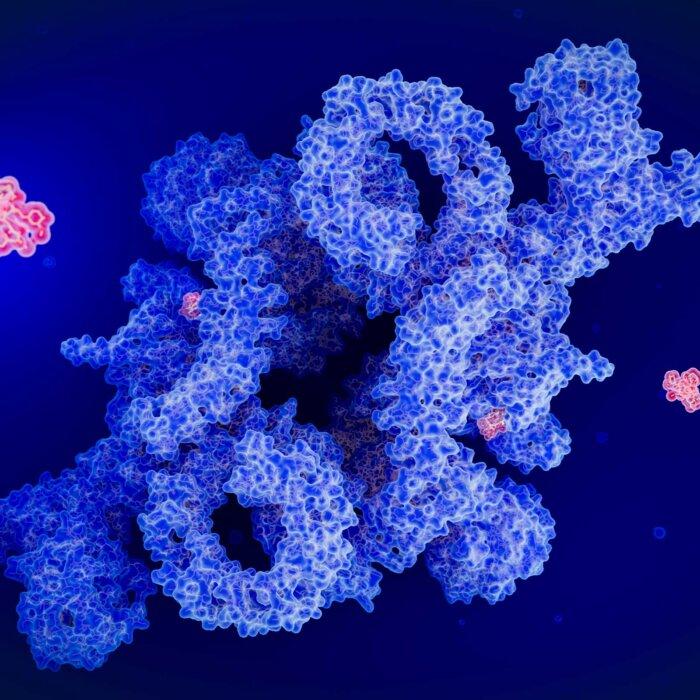
Bob’s experience highlights how understanding genetics can help guide lifestyle changes. By focusing on habits that support FOXO3 activity, he may be able to improve his resilience and long-term health. For many men, aligning healthy routines with their genetic profile creates new opportunities for better aging—but it’s an ongoing process, not a guaranteed outcome.