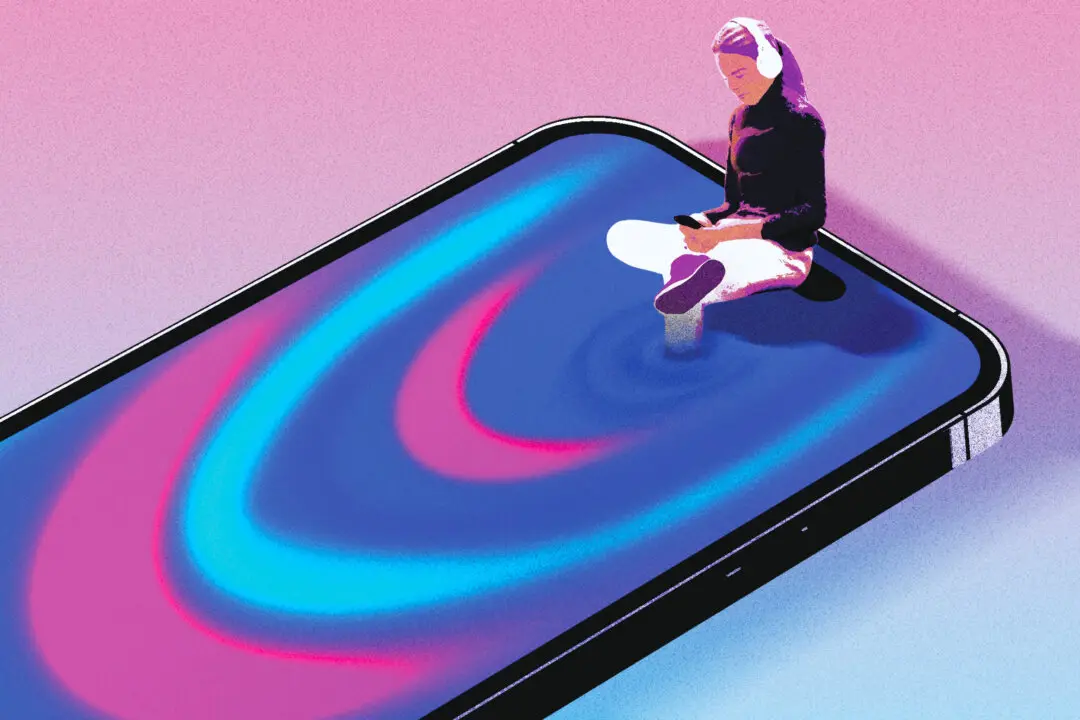
The glow of city lights may be doing more than helping us find our way at night—it could be increasing our risk of Alzheimer’s disease.
Circadian Rhythm Disruption
The hypothesis is that light pollution negatively affects health by disrupting our natural circadian rhythms, which act as the “clock” by which our bodies time critical biological functions, Robin Voigt-Zuwala, associate professor at Rush University Medical Center and the study’s first author, told The Epoch Times. These rhythms regulate nearly every aspect of biology including sleep, wakefulness, and the biochemical processes.While the exact mechanisms linking light exposure to Alzheimer’s remain speculative, certain genetic factors affecting early-onset Alzheimer’s could influence individual responses to environmental stressors, including nighttime light, according to Voigt-Zuwala.
Surprising Age Disparity
The research team analyzed light pollution maps from the contiguous United States, correlating them with existing medical data regarding known risk factors for Alzheimer’s disease. They stratified states based on the intensity of nighttime light and found that, while people ages 65 and older showed a correlation between Alzheimer’s and light pollution, those younger than 65 were disproportionately affected.For younger adults, exposure to higher levels of nighttime light emerged as a stronger risk factor for Alzheimer’s than other health-related elements considered in the study, such as alcohol abuse, chronic kidney disease, and obesity.
Call for Education on Nighttime Lighting Risks
The findings suggest a need to reevaluate the role of environmental factors that contribute to Alzheimer’s, emphasizing the importance of raising public awareness about the health impacts of nighttime artificial light exposure.
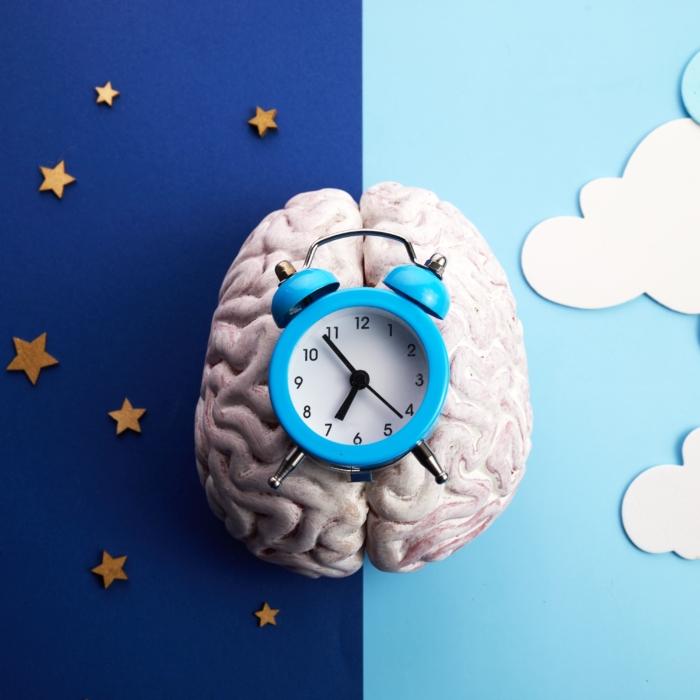
Lifestyle changes, such as using blackout curtains or eye masks for sleep, are suggested as immediate steps for those living in light-polluted areas. Additionally, reducing blue light exposure indoors through light dimmers, filters, and warm lighting might also mitigate this risk, they noted.
While the study primarily draws conclusions from a subset of the U.S. population, the researchers emphasize the need for comprehensive studies. They said they hope to inspire more research on individual outcomes and the long-term effects of nighttime light pollution on health.