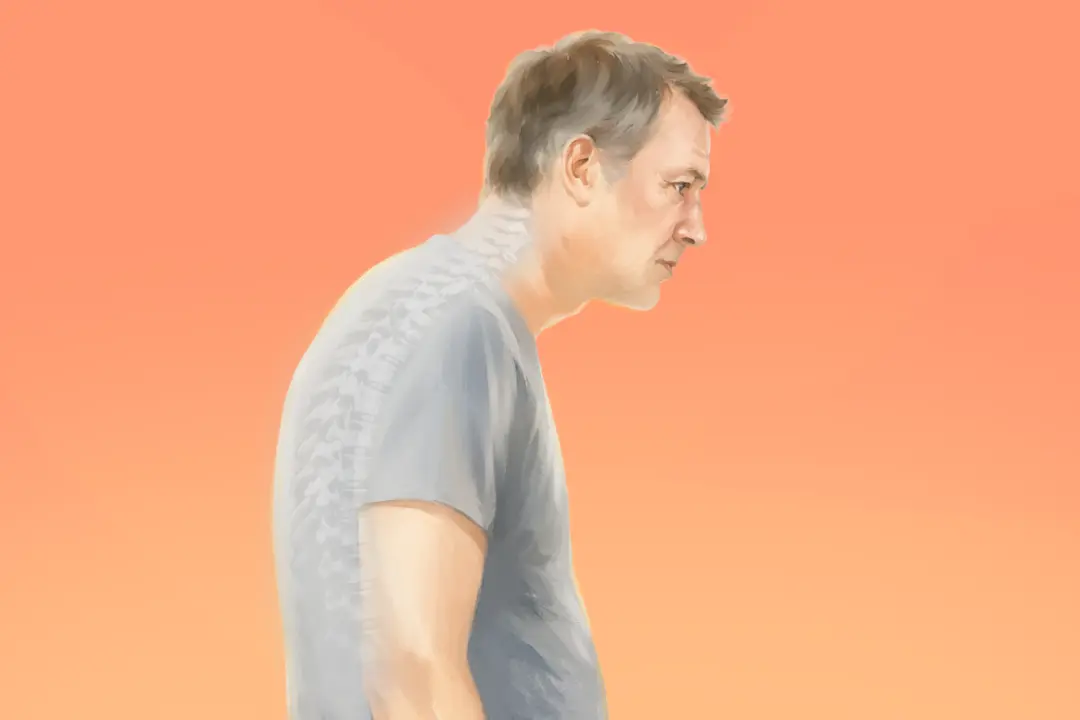

Two in five people in the United States have myopia, and the number is rising.
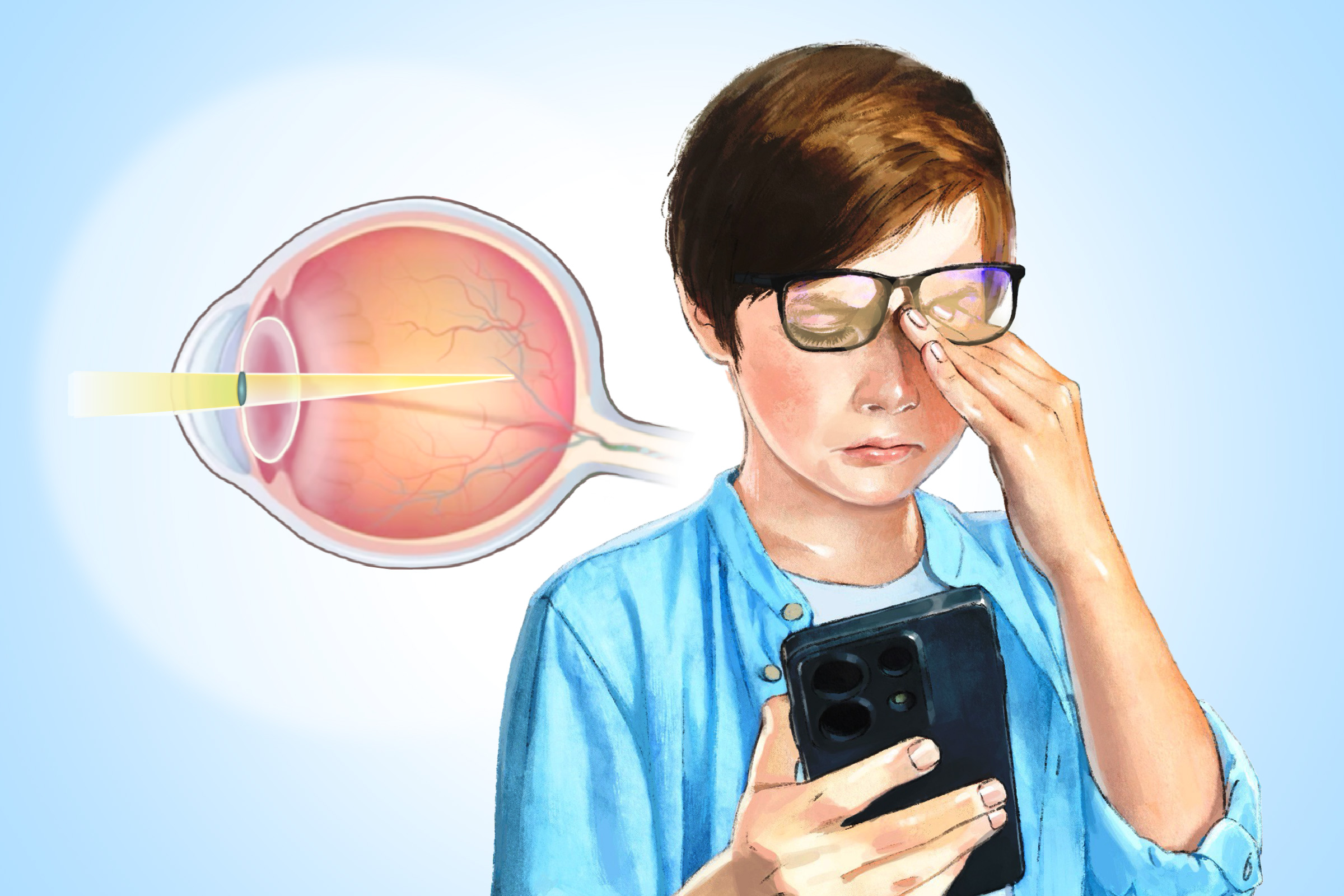
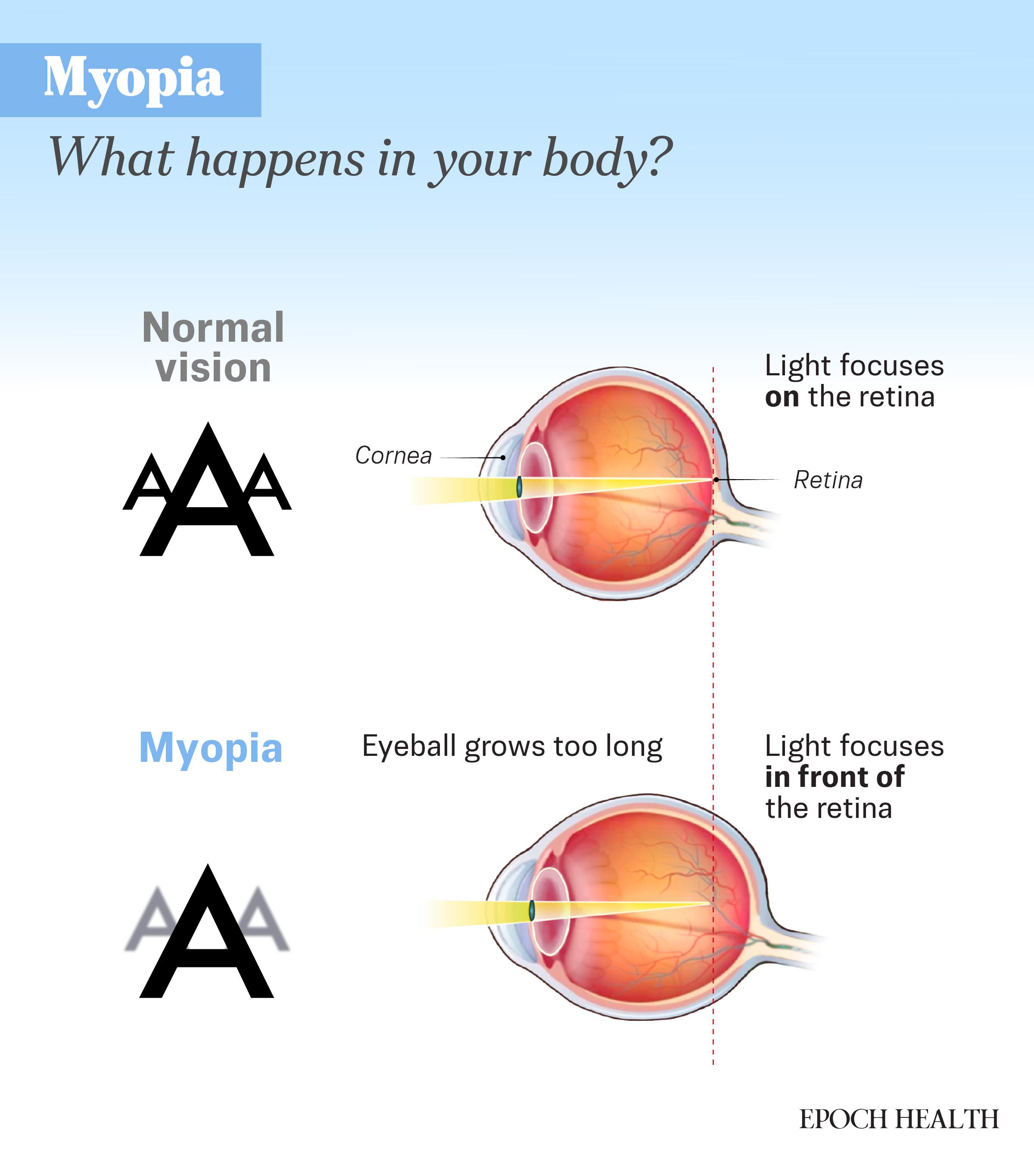
What exactly is myopia? Imagine light as an arrow that needs to hit a bullseye on your retina. In myopia, the eye is shaped so the arrow lands in front of the bullseye instead of directly on it. By the time the light reaches the retina, it has already spread out, causing blurred distance vision.
Although myopia is not easily reversible, glasses and surgery are not the only management options. A range of treatments—and, in some cases, lifestyle approaches such as visual habits and eye exercises—may help slow progression or reduce visual strain.
What Are the Symptoms and Early Signs of Myopia?
- Difficulty seeing distant objects clearly, such as reading the whiteboard at school
- Squinting to see clearly, sitting closer to the computer screen, or holding a phone or tablet very close to the face
- Eye strain or tired, sore eyes
- Frequent rubbing of the eyes
- Headaches (less common)
- Nausea after reading caused by eye strain and headaches
What Causes Myopia?

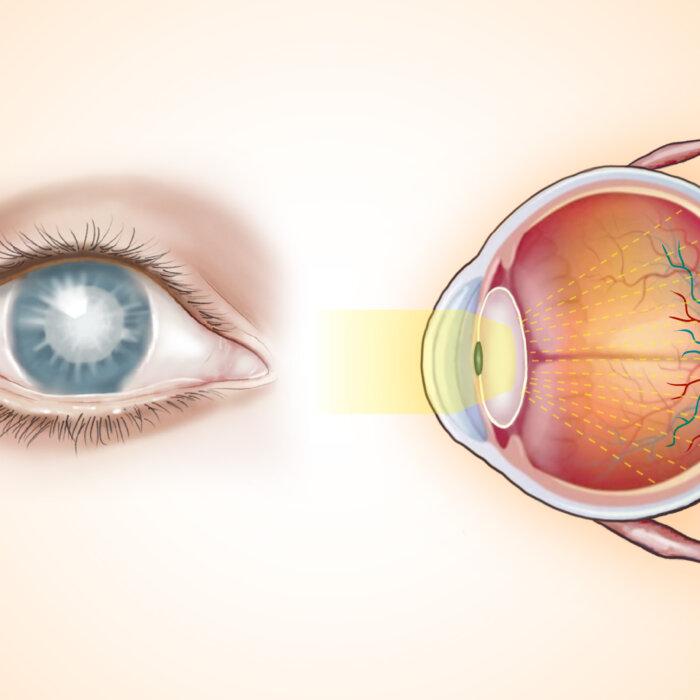
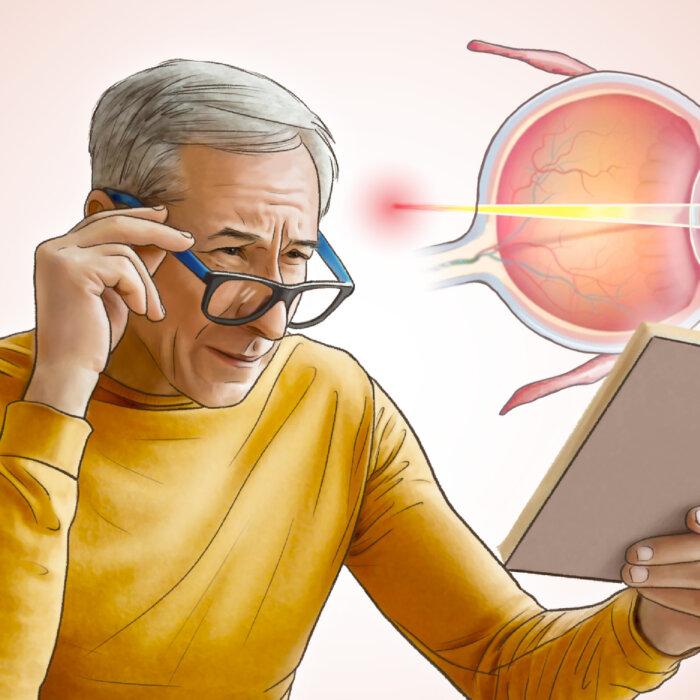
With myopia, the eyeball grows too long, so light focuses in front of the retina instead of on it. Since light is focused at only one point, it becomes out of focus again by the time it reaches the retina. The result is clear vision up close, but blurry vision at a distance.
The longer the eyeball, the worse the nearsightedness becomes.
Less commonly, myopia can result from the cornea being too curved, which also causes light to focus incorrectly.
Myopia typically appears in children as young as seven and usually worsens over time. The condition tends to progress while the body is growing quickly, especially during puberty, meaning children often need regular prescription updates. Myopia progression usually slows in young adulthood and stabilizes around age 18, although some people may continue to see changes until age 25. After 25, any new myopia is generally due to age-related thickening of the eye’s lens, rather than continued eyeball growth.
Environmental and Lifestyle Factors
These factors can often be changed or managed to reduce myopia risk.- Too Much “Near Work”: The recent worldwide spike in myopia is likely linked to modern life. We spend more time on close-up activities such as reading, studying, and staring at screens. When your eyes focus intensely on nearby objects for prolonged periods, they can struggle to refocus on distant objects afterward—a temporary condition called “pseudo-myopia.” Over time, this prolonged visual strain may eventually lead to permanent nearsightedness.
- Indoor Time: Spending excessive time indoors raises a child’s risk of developing myopia, while those who spend more time outdoors in natural light may lower this risk. Researchers hypothesize that moderate natural light exposure can help relax the eyes and improve focus on distant objects. Additionally, spending time outdoors in bright light can trigger the release of dopamine in the retina, which may help prevent the development of myopia and slow eye growth.
- Smoking: Research suggests that both active and passive smoking may be linked to the development and worsening of myopia, likely due to harmful chemicals and nicotine in cigarette smoke.
Other Risk Factors
Some people are more likely to develop myopia than others due to factors such as genetics, eye structure, and underlying health conditions.- Genetics: Studies show that genetics play a significant role in myopia, with more than 200 genes connected to nearsightedness. Researchers have identified more than two dozen chromosome regions associated with the condition. Twin studies have found that identical twins are more likely to both have myopia than fraternal twins, and children with myopic parents face a higher risk.
- Eye Structure at Birth: Children predisposed to myopia often have a longer eyeball, known as axial length, at birth, which can lead to rapid myopia progression during childhood.
- Ethnicity: The prevalence of myopia in children ages 5 to 17 varies worldwide and is highest in Asians, followed by Hispanics, African Americans, and Caucasians.
- Cognitive Factors: Higher IQ scores have been linked to increased myopia risk in children, even after accounting for age, gender, parental myopia, and reading habits. The reason remains unclear, although factors such as eye structure and shared genetics may play a role.
- Diabetes: Diabetes, especially with poor glycemic control, is also a risk factor. Myopia symptoms may reflect fluctuating blood sugar or signal early cataract development.
How Is Myopia Diagnosed?
- Visual Acuity Test: The optometrist uses tools such as the Snellen chart, where patients read the smallest row of letters they can see from a distance.
- Refraction Test: Using a phoropter, the optometrist places a series of lenses in front of your eyes and flips between them, asking which options make your vision clearer. A handheld, lighted instrument called a retinoscope is also used to measure how your eyes focus light. This helps determine the most accurate prescription and the lenses needed to correct vision. An automated refraction test uses a computerized instrument to assess the focusing power of the eye and then refines the results based on your responses.
- Axial Length Measurement: This test measures the distance from the front to the back of the eye, helping doctors understand how much your eyeball has elongated, which is important for diagnosing myopia and tracking its progression over time.
- Slit Lamp Exam: This tool provides a magnified, three-dimensional view of the eye’s structures, allowing doctors to examine the cornea, lens, iris, and vitreous gel, the thick fluid that fills the space between the lens and the retina. With special lenses, they can also view deeper structures such as the optic nerve, retina, and drainage angle. A camera may also be used to capture images of these structures.
What Are the Treatments for Myopia?
If vision is clear enough for daily activities and there are no safety concerns, such as problems with driving, treatment may not be necessary.
Nonsurgical Treatment Options
These options include eyeglasses, contact lenses, and medicated eye drops.Eyeglasses
For most people with myopia, glasses are the primary form of correction. The need to wear them depends on the severity of myopia—some may only need them for specific activities such as driving or watching movies, while others may need to wear them all the time.Concave lenses curve inward to shift the focus point to the fovea, the small central part of the retina responsible for sharp vision. Accurate prescriptions, proper lens positioning, and correct optical alignment with the pupil are all essential for optimal vision.
There are several types of eyeglass lenses:
- Aspherical Lenslets: Tiny lenslets with varying curvature create controlled myopic defocus across the periphery, helping slow abnormal eye elongation when worn consistently for 30 hours or more per week.
- Peripheral Defocus Spectacle Lenses: These lenses keep central vision sharp while adding positive power around the edges to reduce eye-growth signals.
- Defocus Incorporated Multiple Segments Lenses: These lenses feature a clear center surrounded by a honeycomb pattern of plus power segments, meaning the lenses are thicker in the middle than at the edges. Research shows they can be more effective than low-dose atropine, with newer designs reducing progression by up to 60 percent.
- Diffusion Optics Lenses: These lenses gently diffuse light across the peripheral retina to reduce visual signals that stimulate eye elongation while maintaining clear central vision.
Contact Lenses (Vision Correction Only)
Contact lenses can cause serious eye problems if not used properly, including infections, scratches, and in severe cases, corneal ulcers. Before letting a child wear contact lenses, consider how responsible they are with hygiene and daily care. Children typically start wearing contact lenses between ages 8 and 12, and contact lenses are regulated as medical devices by the Food and Drug Administration (FDA).Myopia Control Contact Lenses (Designed to Slow Progression)
Children showing signs of myopia benefit most from early treatment. Unlike standard contact lenses, these options are designed to slow myopia progression.- Orthokeratology (Ortho-K): Also called corneal refractive therapy, Ortho-K uses specially designed rigid contact lenses worn overnight to temporarily reshape the cornea. By flattening the cornea, these lenses redirect light to focus on the retina, providing clear distance vision during the day without glasses or contacts. While the effect is temporary, Ortho-K can help slow the progression of myopia in children. The treatment requires careful fitting, regular follow-ups, and carries a risk of eye infection.
- Multifocal Soft Contact Lenses: These specialized lenses can help slow eye growth and myopia progression in children. A 2025 study found that children using these lenses for at least one year had slower myopia progression and less eye elongation than those wearing glasses or single-vision contact lenses.
Low-Dose Atropine Eye Drops
These drops are usually used in children ages 5 to 18 to slow myopia progression and are typically administered once at night for two to three years. While the exact mechanism is not fully understood, the drops are thought to relax the ciliary muscles that control lens shape, reduce constant near-vision strain, and limit excessive axial elongation of the eye. Side effects may include mild eye redness or itchiness.Pirenzepine Gels
Compared with atropine, pirenzepine targets certain receptors in the eye and is less likely to cause side effects such as blurred near vision or pupil dilation. Research shows that using a 2 percent pirenzepine gel can significantly slow myopia progression in children, with fewer side effects than atropine. However, long-term safety and effectiveness are still unknown.Vision Therapy
This approach uses personalized exercises to train the visual system and strengthen the eye-brain connection, helping improve focusing ability and visual efficiency. It may benefit people whose blurred distance vision is caused by spasms of the eye’s focusing muscles, potentially restoring clearer distance vision.Repeated Low-Level Red-Light Therapy
This emerging nondrug and nonlens approach is currently being studied to help slow myopia progression, especially in children. It uses short, repeated exposures to low-intensity red light delivered by special devices, with promising early results.Combination Therapy
Another emerging approach combines treatments, most often eye drops and optical lenses, to improve effectiveness by targeting eye growth through different mechanisms. It may be particularly useful for children whose myopia progresses quickly or does not respond well to a single treatment.Over-the-Counter Medication
A 2018 study of 64 children with high myopia found that oral Difrarel, which contains bilberry anthocyanins—plant pigments with antioxidant properties—slowed abnormal eye growth and stopped myopia progression, with effects lasting at least one year after treatment stopped. Although the medication is available over the counter, it’s important to talk with an eye care professional before trying it.Surgical Treatment Options
Unlike myopia control contact lenses, laser surgeries can treat both adults and children. However, a small percentage of patients who undergo such surgeries experience complications such as dry eyes, glare, and halos.- LASIK: The most widely used refractive surgery, LASIK reshapes the cornea using a computer-controlled laser to improve how light focuses on the retina. During the procedure, a thin corneal flap is created with either a microkeratome or a femtosecond laser, the underlying tissue is removed to flatten the cornea, and the flap is repositioned without stitches. LASIK can significantly reduce or eliminate the need for glasses or contact lenses, but candidates must meet certain criteria, including being at least 18 years old (preferably 21 or older), since children’s eyes are still changing, and having the same vision prescription for at least one year. While most people are satisfied with their results, a small percentage experience long-term complications such as ghosting, starbursts, halos, and severe pain.
- Photorefractive Keratectomy: This laser eye surgery uses an excimer laser to reshape the cornea and correct mild to moderate myopia. Unlike LASIK, photorefractive keratectomy removes tissue from the cornea’s outer surface without creating a flap, using computer-guided mapping to precisely reshape the eye. Although healing takes longer—often a few weeks—photorefractive keratectomy is a good option for people with thin corneas, dry eyes, or very active lifestyles, since there is no corneal flap that could shift or dislodge.
- Small Incision Lenticule Extraction: This FDA-approved laser eye surgery uses a very small incision to remove a tiny piece of corneal tissue to correct vision. Since the incision is much smaller than in other laser surgeries, it causes less disruption to eye nerves, leading to less dry eye after surgery and higher patient satisfaction. It does not require creating a corneal flap.
Other Refractive Surgeries
These options are available for people with severe myopia or corneas that are too thin for laser procedures.What Are the Natural and Lifestyle Approaches to Myopia?
1. Natural Sunlight
Spending time outdoors has been consistently shown to help slow the progression of myopia in children. The main reasons appear to be related to light exposure rather than physical activity itself. Bright outdoor light may improve vision by increasing the eye’s depth of field and reducing image blur, making it easier to focus.2. Smart Screen Time Habits
Research shows that increased screen time from digital devices can accelerate myopia progression, making it essential to manage and limit exposure by following these recommendations:- Set daily limits on screen use
- Take frequent breaks, at least once every hour
- Position screens 18 to 24 inches from the eyes
- Adjust screen brightness and contrast for comfort
- Reduce glare by managing ambient lighting
- Blink regularly to prevent dry eyes
- Practice the 20-20-20 rule: Every 20 minutes of near work, look at something 20 feet away for 20 seconds
3. Transcutaneous Electrical Acupoint Stimulation
The pre-myopia stage, when children’s vision is still near normal, is an important opportunity to prevent or delay the progression of myopia. In a January study involving nearly 700 children ages 6 to 12, those who used a gentle, noninvasive electrical acupoint stimulation therapy with a mask three times a week for about six months were less likely to develop myopia and showed slower vision worsening and eye elongation than children who received a sham treatment. The therapy was safe, easy to use at home with parental supervision, and continued to show benefits even after treatment stopped.How Can I Prevent Myopia?
- Increase Outdoor Activity: Spending more time outdoors may lower the risk of myopia in children, with some optometrists recommending 90 to 150 minutes of outdoor play each day.
- Maintain a Balanced Diet: Nutrient-rich foods support eye health and may help prevent myopia. Leafy greens provide lutein and zeaxanthin (antioxidants that protect the eyes), deep-sea fish supply EPA and DHA (omega-3 fatty acids), antioxidant-rich fruits offer vitamin C and carotenoids, and nuts and seeds provide vitamin E and resveratrol.
- Perform Vision Accommodation Exercises: The eye’s accommodation ability, controlled by the ciliary muscle, can be strengthened through simple exercises that improve focusing flexibility. Alternate your focus between a distant object and a nearby object about 1 foot away, allowing the eyes to quickly adjust. You can also practice focusing on very small objects to improve visual accuracy.
- Limit Near Work and Screen Time: Reducing prolonged near work may help slow myopia development, as studies consistently link extended near-vision tasks to worsening nearsightedness.
- Prioritize Screen Types: When possible, prioritize digital device use in this order: television, then computers, and lastly phones or tablets, since larger screens are viewed from greater distances.
- Practice Active Monitoring: Parents can help protect children’s vision by monitoring eye health closely, as young children may not recognize or report blurred vision. Visual acuity testing is often recommended around ages 3 to 4, followed by a comprehensive eye exam with formal visual acuity testing by age 5, with annual exams afterward.
What Are the Possible Complications of Myopia?
Young children with untreated myopia are at higher risk of developing crossed or misaligned eyes, as well as lazy eye, a condition in which one eye does not develop normally.
- Retinal Detachment: The retina separates from its normal position.
- Cataract: The eye’s lens becomes cloudy, causing blurry or dim vision.
- Glaucoma: A group of eye conditions that damage the optic nerve, often due to high eye pressure, which can lead to permanent vision loss. People with high myopia are about 7.3 times more likely to develop open-angle glaucoma than people with normal eyesight.
- Macular Degeneration: Damage to the macula, the central part of the retina responsible for sharp, detailed vision, primarily affecting central vision. It is more common in people over age 50 and affects 1 percent to 3 percent of the general population, but as many as 47 percent of people with high myopia.