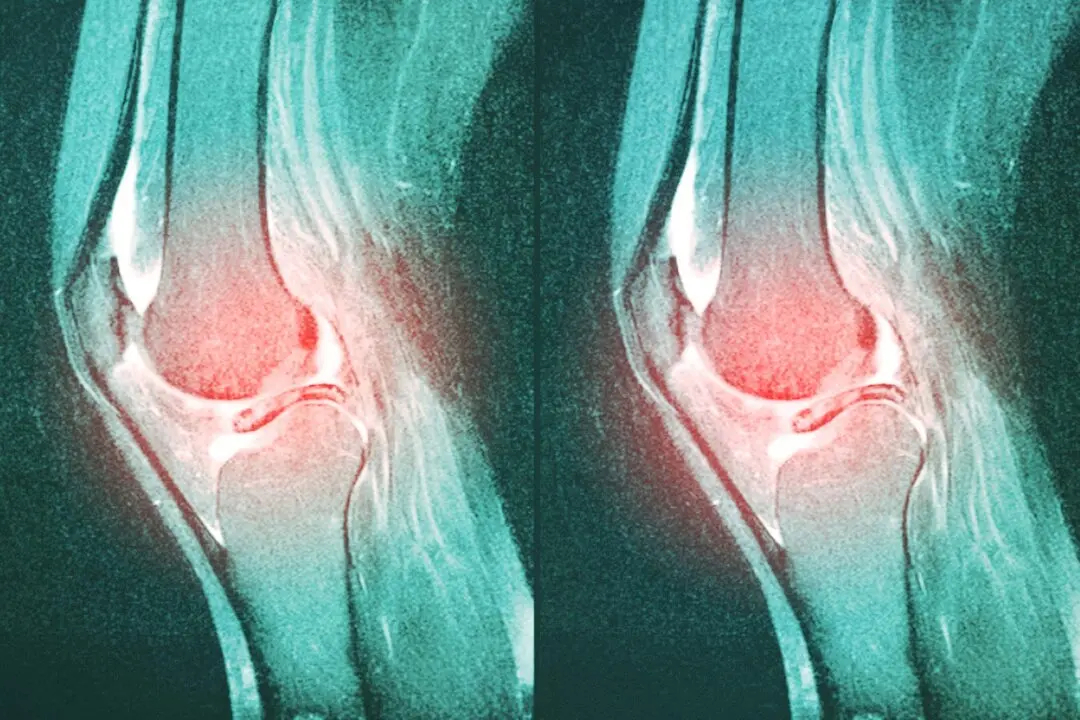
Up to half of hospitalized COVID-19 patients show lung abnormalities on chest CT scans long after the acute infection is over. Many fear these changes mean lasting damage or worsening lung disease.
However, new guidelines on treating long COVID confirm that lung abnormalities usually stabilize or even improve over time.
“The lungs are an organ, like skin, that are in constant contact with the environment. Because of that, they have a significant amount of stem cells in reserve and cells ready for healing,” Dr. Panagis Galiatsatos, a pulmonary and critical care medicine physician and an associate professor at Johns Hopkins Medicine, told The Epoch Times.Recovery Takes Time
Researchers found that in patients with lung damage following a COVID-19 infection, around 90 percent who continued to show lung abnormalities at the time of hospital discharge began to see improvements one to three years after infection.After a COVID-19 infection, roughly six in 100 people are estimated to develop persistent symptoms that can last for months to years—a condition known as long COVID. Common complaints include fatigue, joint and muscle aches, breathlessness, headaches, and difficulty concentrating, often called “brain fog.” Symptoms typically improve over time—usually within four to nine months.
Lung recovery tends to follow a similar trajectory. After infection, the lungs can show changes that resemble scarring—such as inflammation, collapsed air sacs, or temporary thickening of lung tissue—but these often heal on their own, Dr. Joseph Varon, president and chief medical officer of Independent Medical Alliance, who is not one of the authors of the treatment guideline, told The Epoch Times.
Based on Varon’s clinical experience, most patients with mild-to-moderate COVID-related lung issues show improvement on scans and of symptoms within three to six months. However, he noted that some people, especially older adults or those who had severe illness, can have lingering lung changes or symptoms for a year or more.
“The body has the capacity to heal,” Dr. Pierre Kory, founder of Leading Edge Clinic, which treats long COVID patients, told The Epoch Times. COVID is typically an acute illness that heals over time rather than a chronic inflammatory condition—though in some cases, lingering lung inflammation or fibrosis can persist, he said.
Many post-COVID lung changes seen in scans are not signs of permanent damage. They often reflect the lung’s natural healing process after inflammation, similar to what’s seen in other viral pneumonias or recovery from acute respiratory distress syndrome. Over time, these abnormalities often fade as the tissue repairs itself.
Unlike chronic conditions such as interstitial lung disease, which involve ongoing triggers and progressive scarring, post-COVID changes are typically non-progressive.
However, older patients who had been on mechanical ventilation or had severe or critical initial infection were more likely to have persistent lung changes, possibly due to the extent of initial lung injury.
Residual Signs Versus Permanent Damage
Chest CT scans often reveal lung changes long after COVID-19 infection that may look severe on imaging. These include ground glass opacities, which are hazy areas suggesting inflammation, or fibrous strands, thin bands of tissue left over from healing. However, many of these findings are residual effects from the infection, not signs of irreversible damage.
“Radiologic findings often lag behind clinical recovery and must be interpreted within a broader clinical framework,” said Varon, “I have seen patients that have ‘white lungs’ for months and are doing well.”
The disconnect between imaging and the actual patient condition may lead to confusion, unnecessary follow-up, or even overtreatment of long COVID.“Some patients report persistent symptoms despite near-normal imaging,” Varon said, likely due to lingering viral effects or nervous system issues rather than actual lung damage.
“The key takeaway is that both lung damage and symptoms often improve—but not always in synchrony, and not always completely,” he said. That’s why an individualized, symptom-based follow-up approach remains essential in managing long COVID patients.Preventing Costly Overtreatment
The new guidelines specifically address the tendency to over-interpret nonspecific findings as signs of progressive lung disease.

The new consensus advises using CT only when clinically indicated, such as in patients with persistent or worsening respiratory symptoms.
Mislabeling can also lead to costly treatments, repeated imaging, and even affect life insurance or disability claims. “These medications can cost up to $60,000 per year—and patients may not really need them,” Varon said.
The guidelines also urge radiologists to avoid using terms such as “fibrosis” or “interstitial lung disease,” which often imply progressive or permanent scarring, when describing nonspecific residual findings.
The bigger concern, Kory said, is the tendency to over-label nonspecific findings, like ground-glass opacities or mild fibrotic changes, as definitive signs of fibrotic interstitial lung disease. “I see this in my practice every single day,” he said. “These interpretations can trigger unnecessary anxiety, inappropriate referrals, and misguided treatment plans.”Kory takes a symptom-focused approach, monitoring patients clinically and repeating imaging only if conditions worsen. “My experience in general is that yes, most things in medicine are overused, including imaging,” he said.