Mosquitoes are not only an annoying pest, they are actually the deadliest creature on earth. The diseases they spread can be fatal: malaria, yellow fever, and West Nile virus, just to name a few. A graphic from Bill Gates’s blog shows that when it comes to killing, mosquitoes far surpass even humans.
Several factors contribute to our mosquito attractiveness. These bugs initially target carbon dioxide. This means that people who exude more CO2 (those who are overweight or heavy breathers) tend to get stung more.
Mosquitoes also prefer certain smells. They avoid bloodless CO2 sources like an idling car or a coal burning factory because they don’t smell right. Instead, they seek the smell of chemicals that mammals excrete, such as lactic acid (triggered by exercise), and uric acid (found in foods such as meat, alcohol, soda, and asparagus).
This means that diet, exercise, and shower frequency may play some role in determining our level of attractiveness. However, scientists estimate that 85 percent of our mosquito magnetism is genetic. So to a large extent, people who are eaten alive every summer can’t help exuding a mosquito-friendly scent.
While scientists continue to unravel the mystery of mosquito attraction, public health officials recommend using topical bug repellents to keep pests away. Unlike pesticides, which are designed to kill insects, repellents work to hide our mosquito- alluring odors. There are several products to consider.
Synthetic Repellents
DEET. The most common mosquito repellent is DEET, the active ingredient in OFF! Deep Woods and other commercial sprays. DEET is considered the gold standard in mosquito protection. It’s reliable, long-lasting (providing up to six hours of protection from a single application), and generally safe as long as you don’t overdo it.
DEET was developed by the U.S. military in the 1940s. It is a strong solvent that will dissolve plastic at full concentration. However, its harsh chemical scent is also what makes it so effective. Scientists believe that DEET messes with an insect’s sense of smell, effectively hiding an otherwise attractive body odor.
Picaridin. This synthetic mosquito repellent has several advantages over DEET. Developed by Bayer AG in the 1980s from a plant related to black pepper, Picaridin doesn’t have the chemical stink, greasy feel, or neurotoxic nature of DEET, but it has been shown to be just as effective, and may last even longer. Like DEET it doesn’t kill bugs, but confuses their ability to detect a blood source.
IR3535. Found in Avon’s Skin-So-Soft, IR3535 is another popular synthetic repellent. Like DEET, IR3535 has a solvent smell but is less effective and doesn’t work as long.
The World Health Organization recommends all three chemicals for protection against West Nile and other mosquito-borne diseases.
Natural Repellents
There are several choices for a plant-based mosquito repellent, but some work much better than others.
Many plants have essential oils that repel pests—citronella, geranium, tea tree, peppermint, and bergamot, to name a few. But even though they’re natural, they must also be diluted, just like the synthetic chemicals, before being applied to the skin. Unlike the synthetic stuff, they smell nice but are often not as effective.
Oil of Lemon Eucalyptus. The most recommended and studied of the natural repellents goes by the trade name Oil of Lemon Eucalyptus (OLE), which is extracted from lemon eucalyptus trees. A more refined version of this product is called PMD (paramenthane-3,8-diol).
PMD. This natural repellent has been shown to be just as effective as DEET in similar concentrations and is recommended by the Environmental Protection Agency (EPA). However, manufacturers do not recommend this product when West Nile risk is high.
Unlike synthetic chemicals, those derived from botanicals are not required to undergo safety testing. Because the risk is unclear, the Centers of Disease Control discourages use of OLE or PMD for children under 3 years old.
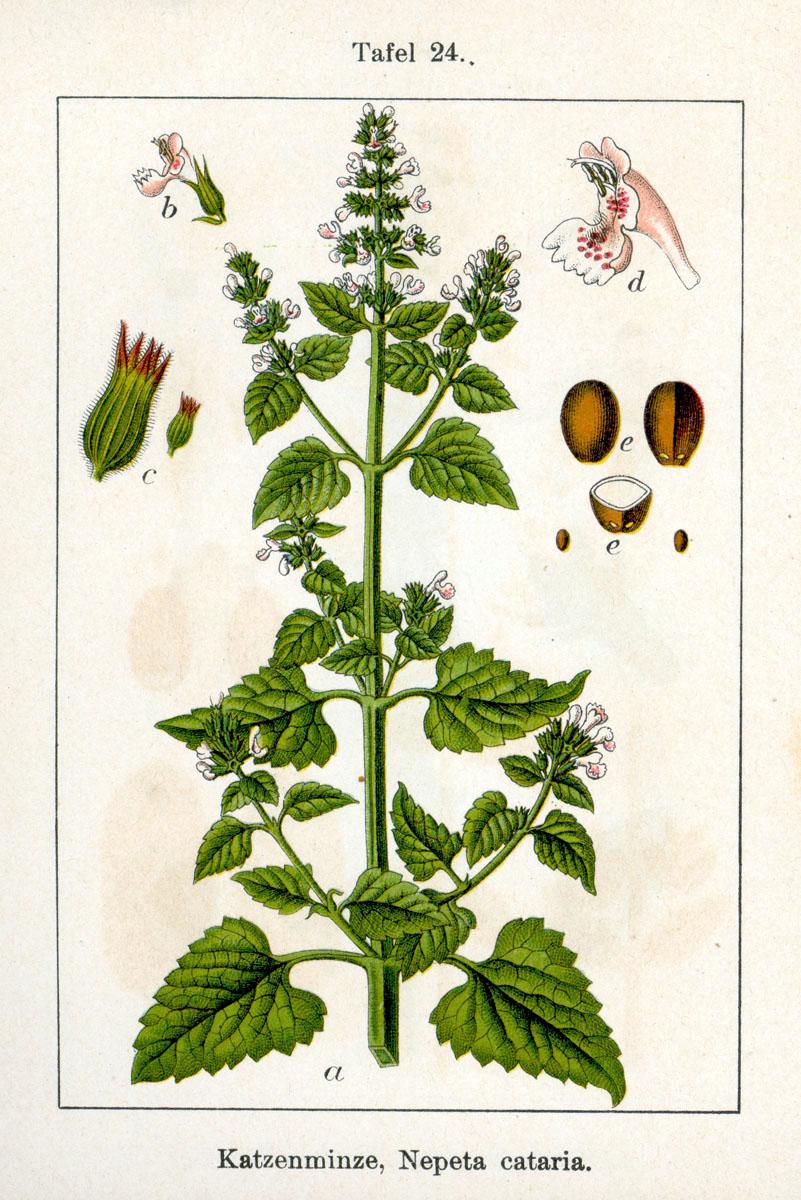
Catnip. This is another essential oil with some science-backed efficacy. According to the EPA, catnip oil may shoo bugs away for up to seven hours. A 2001 study found that catnip essential oil was just as effective as DEET at only one-tenth the concentration.
Garlic. It’s used to repel vampires, but what about tiny bloodsuckers? Garlic-scented sprays are available to temporarily rid your backyard of mosquitoes. Anecdotal evidence suggests that those who consume lots of garlic become unappetizing to pests, but such claims have not panned out in the lab.
Soybean Oil. Plain old soybean oil doesn’t have much of a smell, but it still works well at keeping bugs at bay. This makes soy a good carrier oil choice for homemade bug repellents.
Neem. This Ayurvedic herb grows in tropical climates where malaria is a problem. Neem oil has been used for centuries for repelling bugs. One study from India found that a 2 percent concentration of neem in coconut oil provided more than 96 percent protection against mosquitoes.
Sweet Grass. Native Americans used sweet grass smoke to clear the air of stinging insects, and now science has been able to validate it.
On Aug. 18, 2015, at the 250th national meeting of the American Chemical Society in Boston, researchers presented the first evidence that an essential oil found in this vanilla-scented grass may be the source for the next natural mosquito repellent. Researchers identified coumarin, the same active constituent in IR3535, for sweet grass’s mosquito-repelling ability.
Mosquito Facts
Mosquitoes can smell a potential victim over 160 feet away.
Only female mosquitoes are equipped to sting and suck blood. The males feed off plant nectar.
Flowery perfumes and fragrant body-care products are mosquito magnets.
Mosquitoes tend to favor women over men, which leads some scientists to believe that estrogen may add to the attraction. A Lancet study in 2000 found that pregnant women were twice as likely to get stung.
Science has not been able to determine if consuming any particular food repels pests. However, researchers have found that drinking alcohol definitely attracts them.
Mosquitoes are more likely to hit a moving target, so if you’re sitting still you’re less apt to get stung. Mosquitoes are also more attracted to dark colors than bright ones.
Long-sleeved shirts, hats, and long pants may not seem seasonally appropriate on a hot day, but more clothing coverage can lessen the risk of getting stung. Mosquitoes can bite at any time, but different species prefer different times of day. Consider staying indoors when local exposure is high.
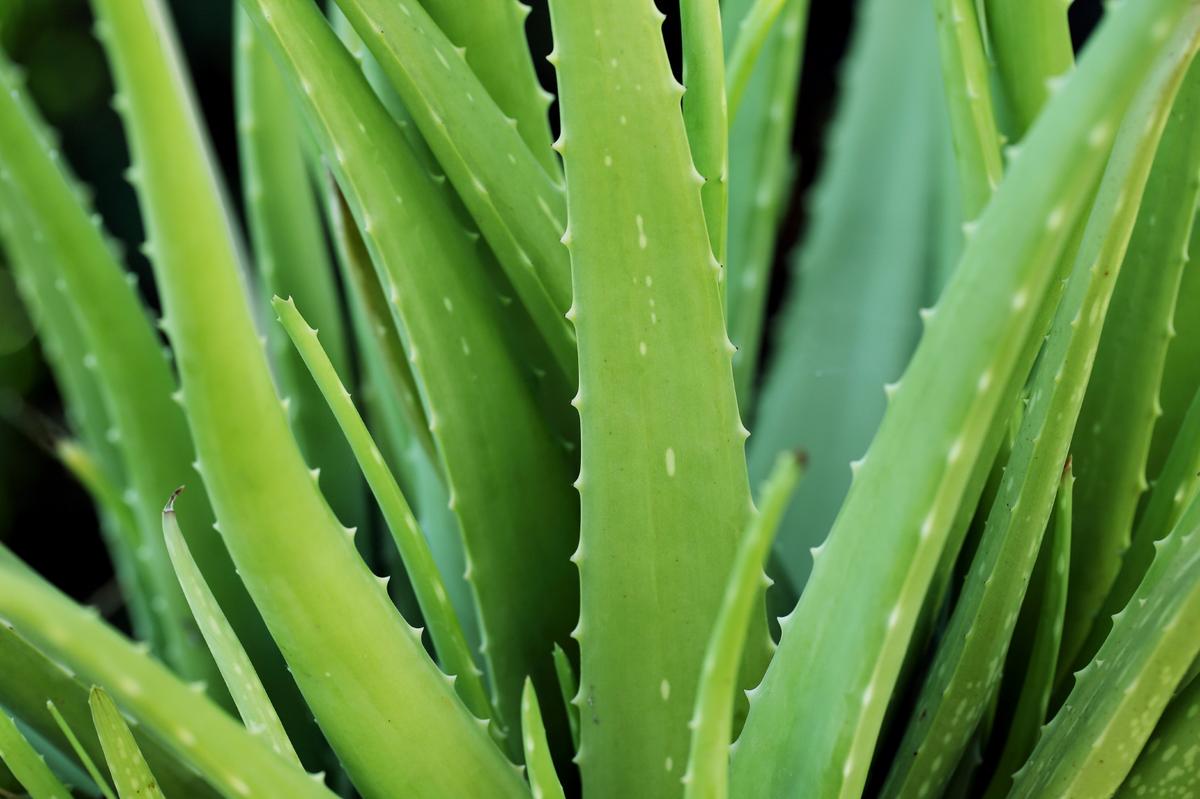
The tiny amount of blood mosquitoes take is no big deal, but the red, itchy skin their bite leaves behind is an annoying reminder of their visit. Thankfully, many herbs can help soothe the sting: plantain, aloe, calendula, basil, and lavender, to name a few.